Get an instant quote
Get in touch Listen to our podcast

Blog

Why Choose Quick Turn Injection Molding?

When a product team needs molded parts without waiting through a long tooling cycle, quick turn injection molding can help move a design toward real-world evaluation sooner. The process uses a mold to produce repeatable thermoplastic components, often for prototypes, pilot runs, or early production. Instead of judging a part from a screen, engineers can hold it, check how it fits, and test it with nearby components. That difference matters.

The schedule depends on the design. Simple geometry and a clear specification can make quoting and tooling more straightforward, while complex features, tight tolerances, or late design changes may add time. A fast tool is not automatically the right tool. Teams should compare material options, expected quantities, surface requirements, and the cost of revisions before committing. Even a small detail, such as a thin wall or an awkward gate location, can affect part quality and cycle time.

Useful feedback comes from actual parts. A molded sample can reveal sink marks, warping, fit issues, or handling problems that a digital model may not show. Still, one trial cannot answer every question. Results should be checked against the intended operating conditions and acceptance criteria. Quick turn injection molding is most valuable when speed supports a clear decision, not when speed replaces careful engineering. It can shorten the path from design to evidence, though some trade-offs deserve a second look.
Why Choose Quick Turn Injection Molding?

What Is Quick-Turn Injection Molding?

Why Choose Quick Turn Injection Molding?

What Is Quick-Turn Injection Molding?

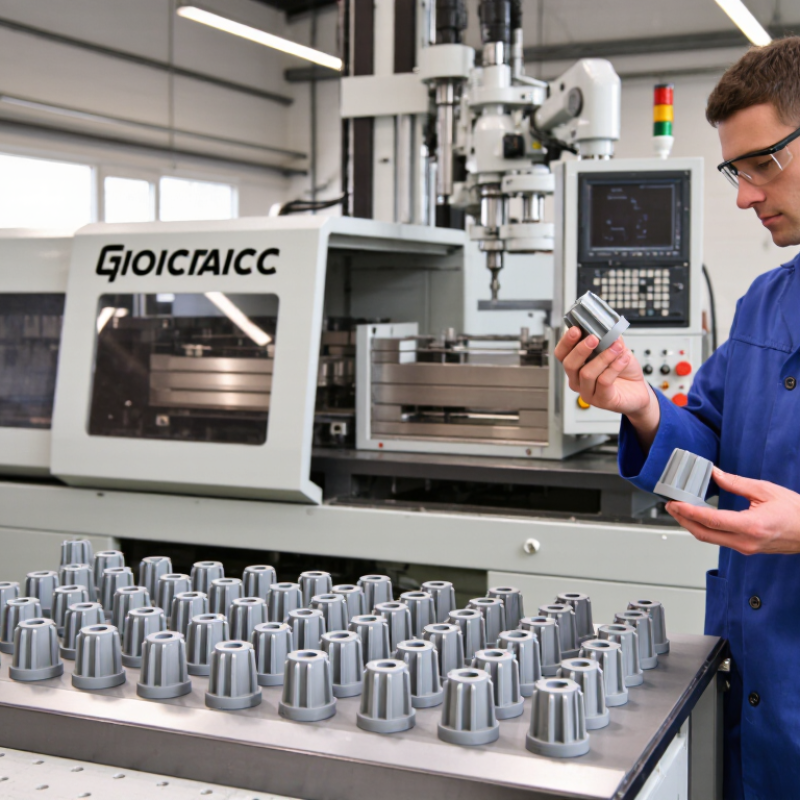
Quick-turn injection molding is a faster route to molded plastic parts, using a mold built on an accelerated schedule. Plastic pellets are heated, injected into a closed cavity, cooled, and ejected as solid parts. The basic process is familiar; the schedule changes. Tooling may be simplified or made from aluminum, with a single cavity instead of a high-volume, multi-cavity layout. This approach can suit functional prototypes, pilot runs, or early samples when printed parts cannot reproduce molded behavior.

“Quick” does not mean instant. A thin rib, trapped air pocket, or poorly placed gate can still cause defects or revisions. Resin choice, part size, surface finish, and mold complexity affect lead time and cost. A plain enclosure with generous draft may move quickly; a textured component with tight dimensions may not. Ask what the quoted schedule includes, such as design review, tool trials, and sample approval. Estimates vary.

Tips: Share a 3D model, target resin, quantity, and critical dimensions early. Identify surfaces that need a specific finish. Keep the first design practical; a rushed tool can expose assumptions you missed on screen. Useful, but not always convenient.

How Does the Quick-Turn Molding Process Work?

A quick-turn molding project begins with a 3D part file and a clear description of how the part will be used. The design is reviewed for wall thickness, draft angles, and likely gate locations. These details affect filling, cooling, and ejection. Small changes matter. A thin rib, for example, may fill unevenly or cool more slowly than expected. The resin choice also shapes the process, since different materials flow and shrink differently.

Once the design is ready, a mold is machined, often from aluminum for a short development run. The mold is fitted into an injection press, and plastic pellets are heated until they flow. The press injects the material into the cavity, holds it under pressure, then allows it to cool. The mold opens, and ejector pins release the part. The first shots are checked for dimensions, surface marks, and incomplete filling. This stage can reveal a mismatch between the drawing and the real part.

Adjustments may follow. A technician might change temperature, pressure, cooling time, or gate details to reduce flash, sink marks, or warping. Not every shortcut works. Faster tooling can shorten lead time, but it does not remove the need to inspect samples against critical measurements. If a feature is uncertain, test it early; revising a mold after approval can cost time.

Why Choose Quick Turn Injection Molding? — How Does the Quick-Turn Molding Process Work?

Stage or Advantage What Happens Typical Timing Why It Matters Typical Output
Design review The part design is checked for moldability, including wall thickness, draft, ribs, undercuts, and likely parting-line locations. About 1–3 business days Identifying design issues early can reduce tooling changes and improve the chances of producing consistent parts. Design feedback and recommended updates
Material and requirement selection The resin is selected based on functional needs such as strength, flexibility, heat resistance, appearance, and intended use. During design review Choosing a suitable resin helps align the parts with their application and processing requirements. Approved material and part specifications
Rapid mold design and fabrication A mold is designed and made, often using aluminum or a production-grade tool steel depending on the expected volume and requirements. Often about 5–15 business days after design approval A shorter tooling path can help teams evaluate a design before investing in higher-volume production tooling. Injection mold ready for sampling
Initial sampling The mold is tested by molding sample parts. Dimensions, appearance, fit, and basic function can be reviewed against agreed requirements. Usually 1–3 business days after the mold is ready Sampling provides an opportunity to identify process or design adjustments before a larger run. Sample parts and inspection findings
Production run Approved parts are molded, cooled, ejected, and inspected. Any secondary operations are completed if specified. Often several days; depends on order size and part complexity Injection molding can produce repeatable parts efficiently once the mold and process are established. Finished molded parts
Faster design validation Parts made from the selected resin can be used to assess assembly fit, handling, and many functional characteristics. After samples are available Real molded parts can reveal issues that may not be apparent in a digital model or a different prototyping process. Feedback to support the next design decision
Lower initial tooling commitment For some projects, a simpler or shorter-run tool may be suitable for prototypes or limited quantities. Depends on tool design and order requirements This can help teams test demand or refine a product before committing to a long-run production tool. Parts for evaluation or limited production

Timing is indicative, not guaranteed. Actual lead times depend on part geometry, mold complexity, material availability, order quantity, inspection requirements, and design approval.

Which Design and Material Factors Affect Turnaround?

Quick-turn injection molding depends on decisions made before the mold is cut. Uniform walls help plastic cool evenly; thick sections can create sink marks and extend cooling. A peer-reviewed review of injection-mold cooling in The International Journal of Advanced Manufacturing Technology reports that cooling can take roughly 70–80% of the molding cycle. That figure explains why small changes to wall thickness and cooling-channel access can matter. It is not a guaranteed schedule reduction; each resin and part geometry behaves differently.

Keep ribs near half the adjoining wall thickness where practical, and add draft so parts release without fighting the tool. Deep undercuts, tight shutoffs, and complex side actions can add machining and fitting time. Gate location matters too: a long, narrow flow path may require a larger gate or different layout. Material choice affects timing. Drying-sensitive resins need controlled preparation, while glass-filled grades may wear tooling faster. Check the supplier’s processing data, not just a generic resin chart.

A clear 3D model, specified tolerances, and early review of parting lines reduce avoidable revisions. Industry design guidance from the Society of Plastics Engineers emphasizes designing for moldability, including draft, wall uniformity, and flow. Still, fast does not mean flawless. I would question any schedule that ignores mold trials, especially for thin walls or visible surfaces. A rushed assumption can become a costly re-cut.

What Advantages Does Quick-Turn Molding Offer?

Quick-turn injection molding can shorten the gap between a CAD model and usable plastic parts. Once the mold is ready, parts may be produced in days rather than weeks, depending on geometry, material, and shop capacity. That speed helps teams test fit, snap features, and assembly access before committing to larger production runs. A physical part often reveals details a screen cannot: a tight corner, a flexible latch, or a surface that shows fingerprints. Useful feedback, sometimes uncomfortable.

It also supports bridge production when demand rises before full-scale tooling is available. Teams can make a limited batch for pilot builds or early customer evaluation. Consistent molding can provide more realistic results than many printed prototypes, especially for material feel and repeated assembly. Still, fast tooling may involve limits in mold life, finish options, or part complexity. The fastest route is not always the best value.

Tips: Share expected quantities, resin needs, critical dimensions, and finish requirements early. Ask how the quoted schedule handles mold review and sample approval. Leave time for changes; a rushed first sample may expose an overlooked detail. That is worth questioning.

When Is Quick-Turn Injection Molding the Right Choice?

Why Choose Quick Turn Injection Molding?

When Is Quick-Turn Injection Molding the Right Choice?

Quick-turn injection molding fits when a design is nearly production-ready, but parts are needed before a full production tool makes sense. It works well for functional prototypes, pilot builds, market tests, and short-run bridge production. The key is speed without changing the intended resin or part performance. Need frequent design changes? A machined or printed prototype may be a better first step.

The timing depends on part size, geometry, resin availability, tool complexity, and inspection requirements. Grand View Research estimated the global injection-molded plastics market at USD 284.1 billion in 2023, reflecting a mature, broad-use process—not a guarantee of short lead times. Ask suppliers for a schedule based on your actual design. Thin ribs, tight tolerances, and cosmetic surfaces can add work. One reality worth admitting: rushing a tool can reveal problems late, not solve them.

Tips: Share the 3D model, drawing, resin grade, target quantity, critical tolerances, and finish expectations when requesting a quote. Ask which features drive timing and cost. Confirm the inspection plan, too. A small pilot run can catch fit issues before a larger order.

CNC machining CAD export file formats

Put your parts in production today

Get an instant quote