Top 10 Benefits of Quick Turn Injection Molding for Buyers?
In today's fast-paced manufacturing landscape, "quick turn injection molding" emerges as a critical solution for buyers seeking efficiency and quality. Industry expert Dr. Emily Zhang states, "Using quick turn injection molding can reduce lead times significantly while maintaining the precision our clients demand." This method caters to urgent project timelines, allowing for rapid prototyping and quick production runs.
Quick turn injection molding not only accelerates the manufacturing process but also minimizes costs. It allows for short production runs without sacrificing quality. Buyers appreciate the flexibility this process offers, enabling them to adapt to market changes swiftly. Businesses are increasingly turning to this innovation to stay competitive.
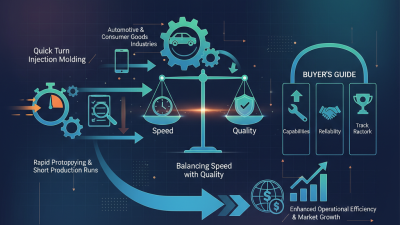
However, the technology is not without its challenges. Buyers must ensure they work with experienced partners. The quality of the molds directly affects the final product, and poor tooling can lead to delays. Balancing speed and quality often requires careful planning and communication between buyers and manufacturers. Embracing quick turn injection molding can drive success, but it’s essential to consider all variables involved.

Advantages of Quick Turn Injection Molding in Product Development
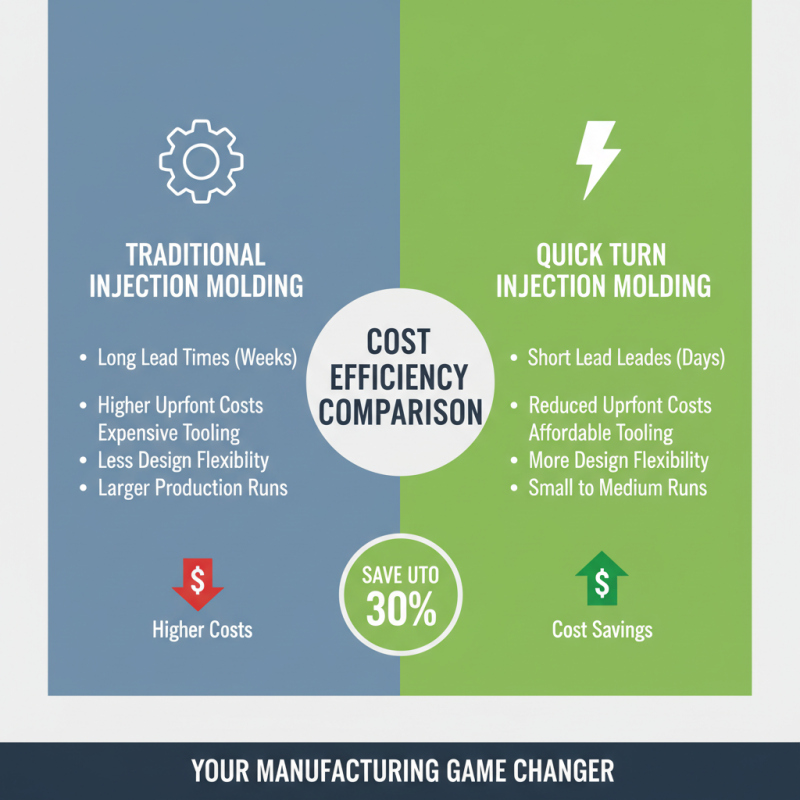
Quick turn injection molding plays a crucial role in product development. It enables faster prototyping, which is essential in today’s fast-paced market. According to the American Society for Quality, 72% of companies prioritize speed in product launch. Quick turn processes reduce lead times significantly, often from weeks to just days. This agility allows teams to respond quickly to market feedback.
Additionally, rapid feedback loops through quick turn molding minimize costly errors. A report from the Manufacturing Institute indicates that companies can save up to 30% in production costs by identifying design flaws early. This method not only enhances cost efficiency but also accelerates innovation cycles. However, it is vital to balance speed with quality. Rushed projects may overlook critical details, leading to potential rework and delays.
Achieving precision while working quickly can be challenging. Engineers often face pressure to deliver faster, which sometimes compromises rigorous testing. It’s important for teams to maintain rigorous quality checks even when under tight deadlines. Continuous improvement is key. Industries value both speed and reliability in product development. Emphasizing both aspects can yield significant advantages in competitive markets.
How Quick Turn Injection Molding Reduces Lead Time for Manufacturers
Quick Turn Injection Molding (QTIM) is a game-changer for manufacturers, especially when it comes to reducing lead times. Traditional injection molding can take weeks due to tooling and setup times. However, QTIM streamlines these processes, often cutting delivery times by more than 50%. According to industry reports, manufacturers using QTIM experience lead times as short as five days, compared to the 10-12 weeks seen in conventional methods.
One reason for this rapid turnaround is the use of advanced technologies and software in QTIM. These innovations enable faster design iterations and quicker production adjustments. In fact, a study from the Society of Manufacturing Engineers indicates that companies using QTIM can improve their time-to-market by up to 30%. This flexibility is crucial in fast-paced industries where market demands change rapidly.
**Tip:** Always communicate clear specifications to your QTIM provider. This reduces revisions and speeds up production.
QTIM also facilitates lower minimum order quantities. This flexibility can lead to cost savings, allowing companies to minimize inventory risks. Despite these advantages, it is essential to evaluate the total costs and potential quality variations associated with quicker processes. Not every project may benefit from QTIM, and careful assessment is required.
**Tip:** Consider conducting a pilot run. Testing can help identify potential issues while maintaining quality standards.
Top 10 Benefits of Quick Turn Injection Molding
Quality Assurance and Precision in Quick Turn Injection Molding Process
In the realm of manufacturing, quality assurance is paramount. Quick turn injection molding emphasizes precision, ensuring that each component meets exact specifications. This process utilizes advanced technology to minimize errors. Intricate designs can be molded with accuracy, producing parts that fit together seamlessly. The reduction of defects leads to improved product reliability, crucial for buyers aiming to enhance their offerings.
However, not every quick turn injection molding project is flawless. Variability in material properties or machine calibration can lead to unintended outcomes. It’s essential for buyers to collaborate closely with manufacturers during this phase. Understanding the limitations of the process can lead to better decision-making. Investing in thorough prototyping can help catch design flaws early, ultimately saving time and resources.
Moreover, the speed of quick turn injection molding doesn't compromise quality. Rapid production cycles allow for testing and iterations. Buyers benefit from receiving samples quickly, enabling them to make informed changes. This dynamic relationship between speed and precision can foster innovation. Yet, it requires diligence from both parties to navigate challenges effectively. Communication remains the key to achieving the desired quality outcomes.
Flexibility and Adaptability for Design Changes in Quick Turn Projects
Quick turn injection molding offers significant advantages for buyers, especially regarding flexibility and adaptability in design changes. This method allows manufacturers to respond rapidly to new ideas or shifting market demands. When a design needs modification, quick turn processes can accommodate updates without extensive delays. Rapid prototyping is a prime example where adjustments can be visualized and tested within days, not weeks.
Consider this: the ability to iterate designs quickly can save substantial time and costs. However, not all designs translate perfectly. Some details might not work as intended during production. Be prepared for surprises. Work closely with your team to ensure all changes are viable and clearly communicated.
Tip: Develop a robust feedback loop between designers and manufacturers. It helps capture insights earlier in the process. Also, maintain a clear list of priorities for design features. This directs focus and aligns everyone involved. With careful planning and open communication, quick turn projects can navigate challenges more smoothly, allowing for continuous improvements and innovations.