Get an instant quote
Get in touch Listen to our podcast

Blog

Top Benefits of Quick Turn Injection Molding in China Best Solutions?

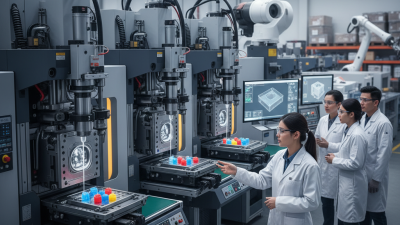
In the rapidly evolving manufacturing landscape, quick turn injection molding has emerged as a game-changer in China. This method significantly reduces production time, enabling businesses to respond swiftly to market demands. Companies leveraging this technology can produce high-quality prototypes and parts in days, rather than weeks.

Quick turn injection molding also minimizes costs associated with traditional manufacturing processes. With advanced machinery and optimized workflows, manufacturers can achieve greater efficiency. This means faster deliveries and higher flexibility for businesses that need to adapt quickly.

However, reliance on quick turn injection molding isn’t without challenges. Ensuring consistent quality while speeding up production can be tricky. Companies must continually assess their processes to maintain reliability and fortify their reputations. It is essential to balance speed and quality in this competitive market.
Top Benefits of Quick Turn Injection Molding in China Best Solutions?

Overview of Quick Turn Injection Molding Process

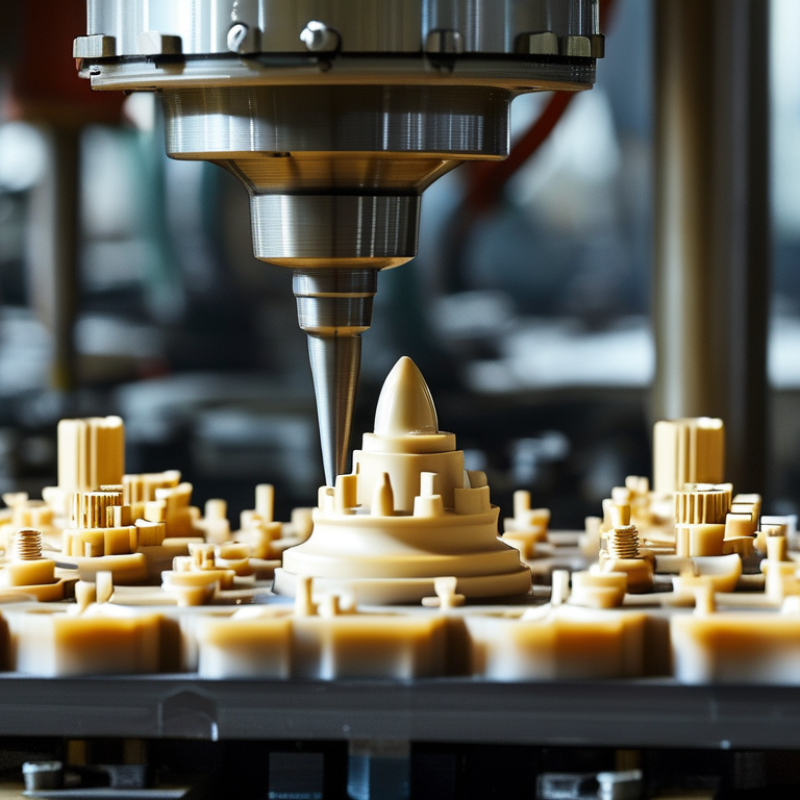
Quick turn injection molding is a fast and efficient manufacturing process. It allows for quicker production cycles, which is essential for clients needing rapid prototypes or small batch runs. This method typically reduces lead times to just a few weeks. A report from MarketsandMarkets indicates that the rapid prototyping market could grow from $1.3 billion in 2020 to $2.5 billion by 2026, highlighting the industry's increasing demand for quick production solutions.

The quick turn injection molding process begins with the design phase, where CAD software is used for precise modeling. Once the design is approved, molds can be fabricated rapidly, often using 3D printing technology. This reduces costs and time significantly. According to a study by Wohlers Associates, 3D printing can cut mold-making time by up to 70%. Companies often overlook the importance of material selection in this stage, which can impact overall quality and cost.

When working with quick turn injection molding, consider the specific requirements of your project early on. This includes choosing the right materials to meet both functionality and budget needs. Testing prototypes can reduce errors in production. It’s vital to remain adaptable; sometimes, initial designs may need revision after testing results. Reflect on the significance of flexibility and dialogue throughout the process for optimal outcomes.
Advantages of Quick Turn Injection Molding in Product Development

Quick turn injection molding has gained prominence in product development, especially in China. This method significantly reduces lead times, enabling businesses to bring products to market faster. According to industry reports, companies can see a reduction in time-to-market by up to 50%. This acceleration in the development phase allows teams to adapt quickly to consumer feedback and market trends, giving them a competitive edge.

The flexibility of quick turn injection molding also benefits product iteration. Designers can experiment with prototypes and refine designs without excessive delays. In fact, studies show that rapid prototyping leads to improved product quality, as teams can test and modify designs efficiently. However, it’s vital to ensure that the rapid processes do not compromise material integrity. This balance is crucial; companies must vet their material suppliers carefully.

Moreover, while speed is important, maintaining quality is equally essential. Shortcuts in the production process can lead to defects, especially in complex parts. Quality assurance measures should be in place to mitigate potential setbacks. Businesses need to reflect on their workflow continuously and invest in training for their teams. The right approach can harness the benefits of quick turn injection molding while addressing any shortcomings.

Cost-Effectiveness of Quick Turn Injection Molding Solutions

Quick turn injection molding is becoming increasingly popular in China. One notable benefit is its cost-effectiveness. Companies can produce high volumes of parts quickly while keeping expenses low. The process minimizes waste, which is a crucial factor in reducing production costs.

Another aspect to consider is the time efficiency of this method. Rapid production cycles enable businesses to respond faster to market demands. However, achieving such efficiency may require upfront investment in advanced technology. Companies must weigh initial costs against long-term savings. Balancing quality and speed can also pose challenges.

It's essential to reflect on potential downsides. Quality control can be compromised when prioritizing speed over precision. Thus, companies must implement strict quality checks throughout the process. While quick turn injection molding offers many advantages, careful planning is vital.

Quality Assurance in Quick Turn Injection Molding Operations

Quality assurance in quick turn injection molding operations is a critical focus for manufacturers today. In China, the demand for precision and efficiency is paramount, especially in industries such as automotive and electronics. Studies indicate that over 80% of companies rely on stringent quality checks to reduce defects in produced parts. This high standard stems from the understanding that quality failures can lead to significant losses, both financially and in terms of reputation.

Implementing state-of-the-art technologies can enhance quality assurance. Techniques like real-time monitoring and process automation have shown to improve defect detection rates by up to 30%. Regular audits and adherence to international standards also play a vital role. However, challenges persist. For instance, maintaining consistency across various production runs remains a complex problem. Inconsistent material quality can lead to variations in the final product, prompting manufacturers to implement more rigorous supplier evaluations.

The emphasis on quality assurance means focusing on skilled workforce training as well. A well-trained team is essential for identifying potential issues early in the production cycle. Investing in employee development yields significant returns; companies report a 20% drop in rework when staff are adequately trained. While quick turn injection molding offers speed, it should not compromise quality. Continuous improvements and thoughtful reflections on operations can help strike a balance between speed and precision.

Key Industries Benefiting from Quick Turn Injection Molding in China

Quick turn injection molding is transforming various industries in China. This method allows for rapid production, ideal for sectors demanding speed and precision. Medical device manufacturing is one such industry. Here, rapid prototyping is crucial. Companies need parts quickly due to stringent regulatory timelines. Quick turn molding meets this urgency, providing reliable and accurate components.

The automotive industry also benefits greatly. With the rise of electric vehicles, manufacturers require fast solutions for prototype parts. Injection molding helps in quickly testing new designs. The process ensures parts are produced with high precision. This speed aids in staying competitive and responsive to market demands. However, companies must consider the trade-offs. While speed is vital, maintaining quality is non-negotiable.

Consumer electronics is another area impacted. Faster product cycles necessitate quick turn solutions. Businesses can launch products swiftly, responding to trends. Yet, this rush can lead to oversight. Companies must ensure that speed does not compromise innovation. Quick turn injection molding presents opportunities and challenges worth navigating.

Top Benefits of Quick Turn Injection Molding in China

CNC machining CAD export file formats

Put your parts in production today

Get an instant quote