Choosing the right Industrial Pipeline is not simply a matter of selecting a diameter or comparing supplier prices. The system must suit the fluid, operating pressure, temperature, flow rate, and installation environment. A line carrying abrasive slurry faces different demands from one moving clean water or process gas. Material compatibility matters. So do joint design, supports, inspection access, and room for future maintenance.
A useful framing comes from Elena Brooks, a fictional pipeline engineering specialist created for this introduction: “Choose the pipeline for the service it must perform, not the price tag alone.” That is a practical principle, not a substitute for engineering review. A qualified engineer should check design assumptions against project data and applicable standards. Even a sound material choice can fail if installation conditions, corrosion risks, or operating changes are overlooked. Details matter.
The right decision can reduce unplanned downtime, leakage risk, and costly replacement work. It can also make routine inspections easier, such as checking a flange beside a pump or reaching a valve in a crowded plant room. Yet no selection is perfect in every setting. Cost, lead time, durability, and maintenance needs may pull in different directions. That tension deserves honest review. This guide explores the factors behind a dependable Industrial Pipeline choice, including materials, pressure ratings, environmental conditions, lifecycle costs, and supplier documentation. The aim is practical: make the trade-offs visible before the first section of pipe is installed.
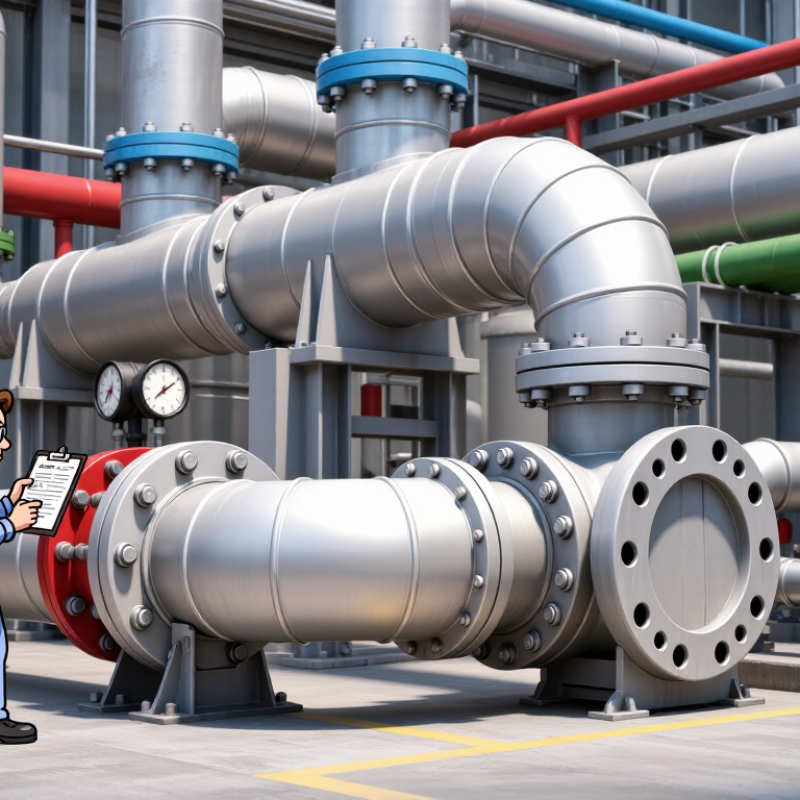
Industrial pipelines move the materials that keep factories, utilities, and buildings running. They carry natural gas and refined fuels, but also water, steam, compressed air, food ingredients, and chemical feedstocks. Some lines transport abrasive slurries, where suspended solids can wear the pipe from inside. The contents matter. So do temperature, pressure, flow rate, and the consequences of a leak.
The U.S. Pipeline and Hazardous Materials Safety Administration describes a natural-gas pipeline network spanning roughly three million miles. The American Society of Civil Engineers’ 2021 Infrastructure Report Card also estimates about 2.2 million miles of underground drinking-water pipes in the United States. These figures show how much essential service depends on correctly specified pipe. Mileage alone proves little. Carbon steel is common for high-pressure service; stainless steel can suit corrosive or hygienic processes, while ductile iron and polymers serve many water systems. Actual selection needs engineering checks against the transported material and operating conditions. A compatible lining, joint, or valve matters too. The awkward part is that no single material is best everywhere. Even a well-chosen pipe can fail when installation, inspection, or maintenance falls short.
| Pipeline Service | What the Pipeline Does | Typical Materials Transported | Common Pipe Material Options | Important Selection Factors |
|---|---|---|---|---|
| Water supply and process water | Moves water between treatment systems, storage, cooling equipment, and production areas. | Potable water, cooling water, and general process water | Ductile iron, carbon steel, stainless steel, HDPE, or concrete for some large-diameter applications | Water chemistry, pressure, temperature, corrosion protection, required flow, and applicable drinking-water requirements |
| Hydrocarbon service | Transfers liquid or gaseous hydrocarbons through processing, storage, and distribution systems. | Crude oil, refined petroleum products, natural gas, and process hydrocarbons | Carbon steel is widely used; stainless or corrosion-resistant alloys may be selected for more corrosive service | Operating pressure and temperature, fluid composition, corrosion, leak control, and relevant pipeline codes |
| Steam and hot condensate | Supplies thermal energy to equipment and returns condensed water to a boiler or recovery system. | Steam and hot condensate | Carbon steel is common; alloy steel may be specified for higher-temperature or higher-pressure conditions | Design pressure and temperature, thermal expansion, insulation, drainage, and water-hammer risk |
| Chemical processing | Connects storage tanks, reactors, pumps, and other equipment while containing process fluids. | Acids, alkalis, solvents, and other process chemicals | Stainless steel, suitable thermoplastics such as PVC or CPVC, HDPE, or corrosion-resistant alloys, depending on service | Chemical concentration, compatibility, temperature, pressure, permeation, and joining method |
| Slurry handling | Conveys a liquid carrying suspended solid particles through process or waste-handling systems. | Mineral slurries, tailings, wastewater solids, and industrial process mixtures | Carbon steel with suitable wear protection, HDPE, or other abrasion-resistant lining systems | Particle size and hardness, solids concentration, flow velocity, erosion, settling, and cleanout access |
| Compressed air and industrial gases | Distributes compressed air or gases to equipment, instruments, and process areas. | Compressed air, nitrogen, oxygen, and other industrial gases | Carbon steel, stainless steel, copper, or approved plastic piping where permitted for the service | Gas properties, pressure, purity, moisture, contamination risk, and service-specific safety requirements |
| Wastewater and drainage | Collects and conveys wastewater, process effluent, or drainage to treatment or disposal systems. | Sanitary wastewater, industrial effluent, and stormwater | Ductile iron, concrete, PVC, HDPE, or corrosion-resistant materials selected for the effluent | Effluent chemistry, solids content, flow conditions, external loads, leakage control, and corrosion resistance |
Selection note: These are common material options, not universal prescriptions. Final pipe, lining, and joint selection should be based on the fluid, operating conditions, applicable codes, and site requirements.
A pipeline’s requirements begin with what moves through it and how the process behaves. Water, steam, and abrasive slurry place different demands on pipe materials, joints, and internal surfaces. Temperature matters too. A line carrying hot fluid may expand noticeably during operation, while cold starts can create repeated stress at connections. Pressure ratings should reflect normal operation and credible fluctuations, not just a steady reading on a quiet day.
Flow conditions shape the design in less obvious ways. High velocity can increase erosion at bends, especially when solids are present. Slow-moving fluids may encourage deposits, making cleaning access and inspection points more important. Supports must account for pipe weight, vibration, and thermal movement. Small details matter. A poorly placed support can turn routine expansion into strain on a joint.
In practice, teams sometimes focus on pressure and overlook startup cycles or cleaning chemicals. That is an easy assumption to make, and one worth revisiting with process and maintenance staff. Early estimates may also change once operating data becomes available. Material selection, wall thickness, and connection choices should therefore be checked against actual fluid composition, temperature range, pressure profile, and inspection plan before installation.
Why Choose the Right Industrial Pipeline?
Which Factors Guide Industrial Pipeline Selection
Industrial pipeline selection begins with the fluid and its operating envelope. Record its chemistry, temperature, pressure, flow rate, and any suspended solids. A hot, abrasive slurry needs different materials and wall thicknesses than clean, low-pressure water. Small details matter. Startup surges, vibration, and frequent shutdowns can also stress joints and supports, even when normal operating pressure looks safe.
Corrosion deserves careful attention. NACE International’s 2016 IMPACT study estimated the global cost of corrosion at US$2.5 trillion, or 3.4% of global GDP. That estimate covers many industries, not pipelines alone, but it shows why material compatibility and inspection access matter. A corrosion-resistant material may raise purchase costs while lowering repair risks. Yet material choice alone cannot prevent failures; poor installation or unsuitable seals can undo it.
Consider the full service life, including access for inspection, replacement parts, and the cost of downtime. The U.S. EPA’s 2023 Drinking Water Infrastructure Needs Survey estimated US$625 billion in needs over 20 years for public drinking water systems. This is not an industrial pipeline benchmark. It does, however, illustrate how infrastructure costs extend beyond initial installation. A selection spreadsheet may still miss site-specific conditions, so verify assumptions with process data and qualified engineering review.
Why Choose the Right Industrial Pipeline?
How the Right Pipeline Supports Safety and Efficiency
A well-chosen industrial pipeline helps control leaks, pressure losses, and unplanned maintenance. The right choice starts with the material moving through it. A line carrying hot, mildly corrosive liquid may need different materials and seals from one carrying cool water. Check operating pressure, temperature changes, flow rate, and chemical compatibility against supplier specifications. Small mismatches matter. A seal that hardens over time can turn a minor seep into a shutdown. Pipeline layout matters too: long runs, tight bends, and poorly placed supports can complicate inspection and upkeep.
Tips: Keep a simple record of the fluid, normal and peak temperatures, pressure, and inspection dates. Ask qualified engineers to review unusual service conditions. A label alone does not confirm compatibility.
Efficiency depends on more than the pipe itself. Correct sizing can help maintain the flow the process needs without avoidable pressure drop. Accessible valves and clear inspection points make routine checks less disruptive. Supports should account for vibration and thermal expansion, not just the pipe’s static weight. These details are easy to overlook during installation. They may also be costly to correct later. No design removes every risk, so review operating data and inspect the system after changes or repairs.
Why Choose the Right Industrial Pipeline?
How to Verify Pipeline Compatibility and Maintenance Needs
A pipeline should match the fluid, operating conditions, and layout—not just the connection size. Confirm the fluid’s chemistry, temperature range, pressure, and any suspended solids. Then compare these details with the pipe material, lining, seals, and fittings. A seal that suits water may not tolerate a cleaning chemical. Small mismatches can become leaks or premature wear.
Check the actual installation, too. Measure clearances, note vibration sources, and inspect support spacing and connection points. Review maintenance access before approving a route. Can technicians reach valves and joints? Are drains and isolation points placed where work can be done safely? A drawing may look tidy, yet leave no room for a wrench. That happens more often than we’d like to admit.
Ask for documented material specifications and operating limits, then have a qualified engineer compare them with site conditions. Plan inspection intervals around the fluid, duty cycle, and consequences of a failure. Look for corrosion, unusual vibration, discoloration, or recurring pressure changes during routine checks. Keep records of repairs and operating readings; patterns can reveal trouble early. Still, a checklist cannot capture every site-specific quirk, so revise the maintenance plan when real operating experience disagrees with the original assumptions.
Verify that the pipe material is compatible with the fluid, temperature, pressure, and operating conditions. Then plan inspections using the applicable code and service risks.
API 570 sets these as maximum interval limits for applicable in-service piping: external inspections are limited to 5 years, while thickness measurement intervals are limited to half the remaining life or 10 years, whichever is less. Actual intervals may need to be shorter. Confirm the current code edition and site-specific requirements.
| Cookie | Duration | Description |
|---|---|---|
| cookielawinfo-checkbox-analytics | 11 months | This cookie is set by GDPR Cookie Consent plugin. The cookie is used to store the user consent for the cookies in the category "Analytics". |
| cookielawinfo-checkbox-functional | 11 months | The cookie is set by GDPR cookie consent to record the user consent for the cookies in the category "Functional". |
| cookielawinfo-checkbox-necessary | 11 months | This cookie is set by GDPR Cookie Consent plugin. The cookies is used to store the user consent for the cookies in the category "Necessary". |
| cookielawinfo-checkbox-others | 11 months | This cookie is set by GDPR Cookie Consent plugin. The cookie is used to store the user consent for the cookies in the category "Other. |
| cookielawinfo-checkbox-performance | 11 months | This cookie is set by GDPR Cookie Consent plugin. The cookie is used to store the user consent for the cookies in the category "Performance". |
| viewed_cookie_policy | 11 months | The cookie is set by the GDPR Cookie Consent plugin and is used to store whether or not user has consented to the use of cookies. It does not store any personal data. |