Why Choose Wooden Window Frames for Your Project?
Wooden Window Frames bring warmth, texture, and practical performance to a project. Their grain remains visible beneath clear finishes, while painted surfaces can suit both traditional and contemporary designs. A timber frame also feels different to the touch on a cold morning. Small details matter.
John Leeke, a specialist in historic window preservation, emphasizes maintenance and repair in his work. His guidance can be distilled into this practical line: “A durable window depends on sound detailing, regular care, and materials that can be repaired.” This is a paraphrase, not a verbatim quotation. It captures an important point: wood can be renewed, but it still needs attention. Poor drainage, exposed joints, and neglected paint can shorten a frame’s service life.
For homeowners, architects, and builders, the choice involves more than appearance. Consider the local climate, the window’s exposure to rain, the quality of the joinery, and the finish schedule. A well-made frame may be sanded, repainted, or repaired as needs change. Yet timber is not maintenance-free, and that deserves honest consideration. In a shaded room, its natural finish may age differently than it does on a sunlit façade. The right decision depends on the building, budget, and willingness to maintain it. This guide explores where Wooden Window Frames perform well, what to inspect before choosing them, and how thoughtful care can help them last.
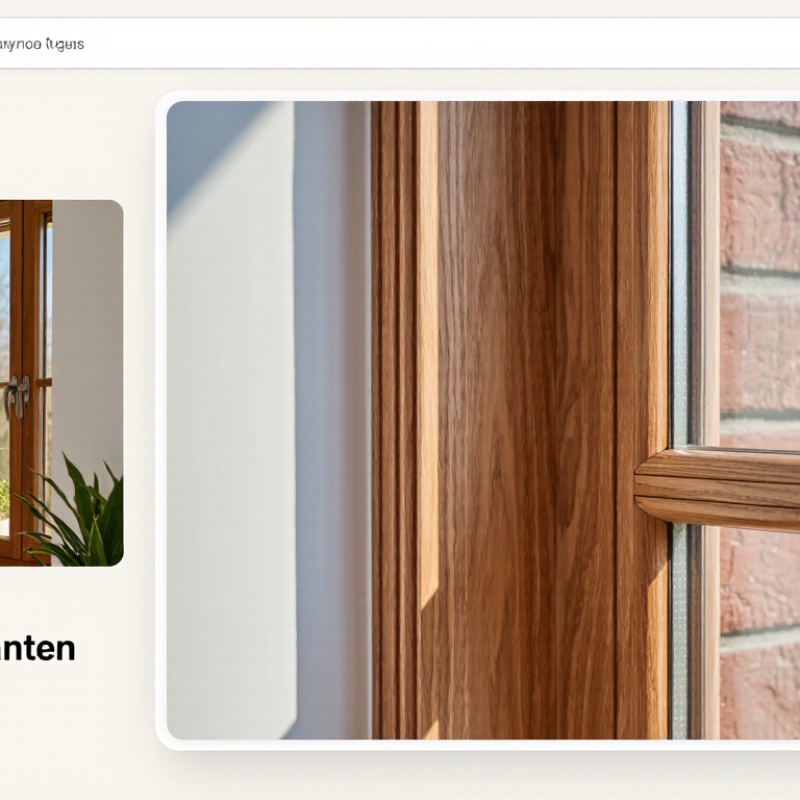
What Defines a Wooden Window Frame?
A wooden window frame is the fixed structure that surrounds a window opening. It usually includes two side jambs, a head, and a sill. The sash, which holds the glass, fits inside the frame and may open or remain fixed. That distinction matters. A frame’s shape, joinery, and finish all affect how well the window operates and sheds water.
Wood offers a warm grain and can be shaped or repaired more readily than some other frame materials. But it is not maintenance-free. Moisture and temperature changes can make wood swell, shrink, or deteriorate if water reaches unprotected joints. A sound design uses suitable wood, secure connections, and a durable finish; careful installation also helps prevent drafts and water entry. Even well-made frames need inspection over time. Paint may crack at a corner, or a sill may hold water after rain. Those details are easy to overlook.
Tips: Check the sill for a slight outward slope, and inspect joints for gaps or soft spots. Ask how the frame is protected on every side, including surfaces hidden after installation. A good finish helps, but it cannot fix poor drainage.
How Wood Influences Insulation and Energy Efficiency
Why Choose Wooden Window Frames for Your Project?
Wood is a natural insulator, so wooden frames transfer heat more slowly than aluminum frames without a thermal break. In winter, this can help reduce cold surfaces around the window. In summer, well-fitted frames can limit heat entering through gaps. The glass still matters greatly. A frame alone cannot make a poorly specified window energy efficient.
Wood also helps create a snug seal when the frame is accurately made and properly installed. That seal can reduce drafts, especially around opening sashes. Small gaps count. Performance depends on the whole window assembly, including glazing, weatherstripping, and installation quality. Wood can swell or shrink as humidity changes, so good detailing and periodic inspection are important. It is not maintenance-free.
Tips: Check for soft, damp patches and peeling paint each year, especially along lower rails and joints. Keep drainage paths clear, and repair worn seals before drafts become noticeable. If you are comparing options, ask for tested whole-window performance figures, not just claims about the frame material. Wood needs care. That trade-off is easy to underestimate.
Design Options for Different Architectural Styles
Wooden window frames suit many architectural styles because their proportions, profiles, and finishes can be tailored. In a traditional cottage, narrow glazing bars and a soft painted finish can echo older sash windows. Keep the bars slender. For a Victorian-inspired home, deeper mouldings and taller vertical panes may feel more at home. A restrained stain can show the grain without making the frame the room’s main feature. Details matter.
Contemporary designs often benefit from simpler sections, larger clear panes, and muted colors such as charcoal or warm white. In a farmhouse renovation, divided lights can connect new windows with exposed beams and textured stone. Match the frame depth to the wall thickness where possible; a bulky reveal can look awkward indoors. Wood can be repaired, but it needs suitable coatings and periodic inspection, especially on exposed elevations. No profile suits every façade. Compare a full-size sample against the actual brick or cladding. Small finish chips rarely show how daylight changes the color, and a choice that looked refined on paper may feel too polished in place.
Durability, Maintenance, and Environmental Considerations
Wooden window frames can remain serviceable for many years when their design keeps water away from vulnerable joints. Durability depends on timber quality, construction, exposure, and upkeep—not wood alone. Check whether lower rails shed rain and whether frame corners feel firm. Small defects matter. A hairline crack in the coating can let moisture reach the timber, especially on a weather-facing wall.
Inspect frames each year, paying attention to peeling paint, soft spots, and water collecting near the sill. Clean gently, then repair damaged finishes before bare wood stays wet. Follow the coating maker’s maintenance guidance; repainting schedules vary with sunlight and weather. Still, I would not call wood maintenance-free. That claim feels too neat, and regular care takes time.
Environmental impact also depends on sourcing and lifespan. Timber from responsibly managed forests can be renewable, while a frame that can be repaired may avoid early replacement. Ask for clear sourcing information, and consider the coatings used, too. Wood’s insulation value can help, but the whole window matters: glazing, seals, installation, and air leakage all affect performance. A poorly fitted wooden frame can waste energy despite the material’s potential.
How to Evaluate Costs and Project Suitability
Wooden window frames can suit projects where a natural finish, repairability, and traditional detailing matter. Their purchase price may be higher than some alternatives, but the frame alone does not tell the full cost. Compare itemized quotes for glazing, hardware, installation, finishing, and removal of old windows. Ask what maintenance is expected and how often exposed surfaces may need repainting or resealing. A low quote can leave these details unclear.
Suitability depends on the building and its conditions. Check how much rain, sun, and wind the frames will face, especially on exposed elevations. In damp or coastal settings, careful detailing and regular finish checks matter. Wood can be repaired, but it is not maintenance-free. For energy performance, assess the complete window, including glass, seals, and installation, rather than judging the frame alone. Ask contractors about warranties, repair options, and the finish specification. Then compare likely upkeep over the years with the available budget. The calculation is rarely perfect; future labor and weather are hard to predict. Still, a realistic allowance is better than assuming the first estimate covers everything.


