Why Choose Box Die Cutting at the 139th Canton Fair?
At the 139th Canton Fair, one area stands out: Box Die Cutting. This innovative method plays a crucial role in the packaging industry. Experts highlight its significance. "Box Die Cutting streamlines production and reduces waste," says John Smith, a leading authority in packaging solutions. This is essential for businesses looking to enhance efficiency.
The fair introduces advanced features like AI-driven searches. Buyers can now find suppliers with specific certifications swiftly. However, not all exhibitors are equipped to meet the rising demands. Some companies still use outdated techniques, which could hinder their growth.
Box Die Cutting offers numerous advantages, such as precision and customization. Yet, companies must reflect on their processes. Are they fully utilizing the benefits of this technology? With the increased competition, embracing Box Die Cutting could differentiate them in the marketplace. It’s a chance to innovate, adapt, and thrive.
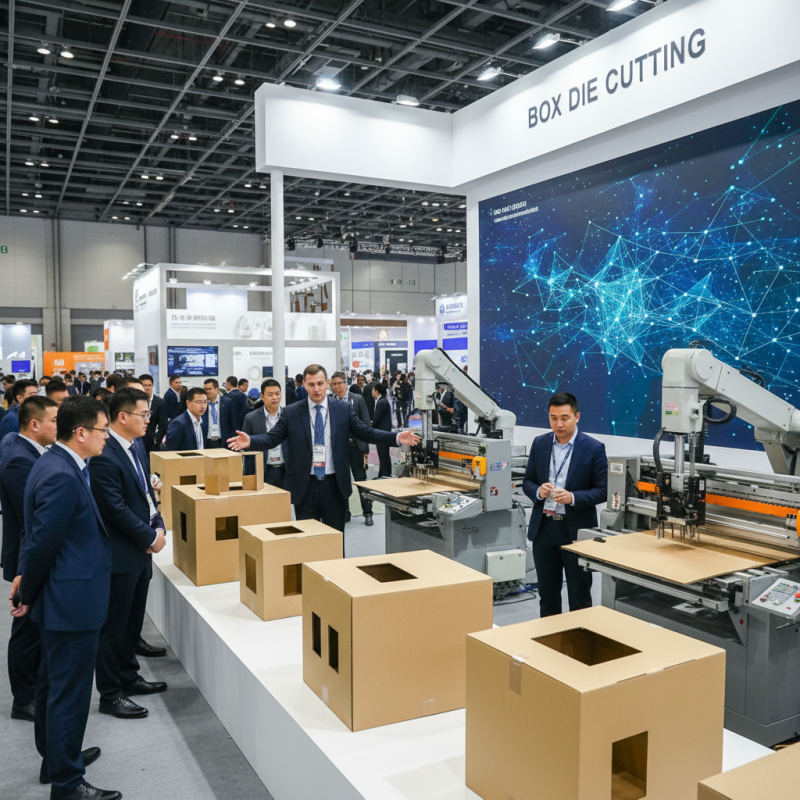
Why Box Die Cutting is Essential for Packaging Solutions at Canton Fair
Box die cutting is a game-changer in the packaging industry, especially showcased at the 139th Canton Fair. This technique offers precision and flexibility. It ensures that packaging is tailored to both product and brand needs. According to a market study, the global die cutting market size is expected to reach $7.1 billion by 2027. This growth highlights the importance of efficient packaging solutions.
The increasing demand for customized packaging has driven innovation. Box die cutting allows for unique shapes and designs. It enhances shelf appeal, which is crucial in a crowded marketplace. Research shows that products with eye-catching packaging can boost sales by as much as 30%. However, not every design meets environmental standards. Some materials still cause ecological concerns. It’s essential to balance creativity with sustainability.
At the Fair, businesses should focus on technologies that promote sustainability. The production process of box die cutting can sometimes generate waste. Attention must be paid to optimize resource usage. A robust system can minimize excess and focus on efficiency. Companies must continuously evaluate their practices. Finding a perfect blend of aesthetics and function can be challenging, yet it’s necessary for modern packaging solutions.
Why Choose Box Die Cutting at the 139th Canton Fair?
| Dimension | Detail |
| Flexibility | Box die cutting allows for various custom shapes and sizes, accommodating unique packaging needs. |
| Cost-efficiency | Reduced material waste and optimized production processes lead to significant cost savings. |
| Sustainability | Use of eco-friendly materials and processes to minimize environmental impact. |
| Precision | High accuracy in cutting that ensures quality finishing and improved product presentation. |
| Market Trends | Adapting to current trends in packaging design and consumer preferences. |
| Speed | Faster production times compared to traditional methods, ensuring timely delivery. |
| Innovativeness | Encourages innovative packaging solutions that enhance brand identity. |
The Advantages of Box Die Cutting for Custom Packaging Needs
Box die cutting is a process that transforms sheets of material into custom packaging. It offers numerous advantages for businesses aiming to enhance their packaging solutions. The precision of box die cutting ensures that every piece fits together perfectly. This accuracy reduces waste and saves costs.
Custom packaging made through box die cutting can reflect a company's brand identity. Vivid colors, unique shapes, and special finishes can be integrated seamlessly. It invites consumers to engage with the product. Many businesses still rely on generic packaging, which can feel outdated. Custom designs create a memorable experience and encourage loyalty.
However, businesses often overlook the importance of ideal packaging materials. Not all materials work well with die cutting. The right choice affects the final product’s durability and aesthetics. Some companies might need extra trials. That process can be time-consuming and costly but is necessary for quality. In the fast-paced market, perfecting the packaging process becomes crucial for standing out.
Benefits of Box Die Cutting for Custom Packaging Needs
This chart illustrates the key advantages of box die cutting for custom packaging needs, highlighting aspects such as cost efficiency, design flexibility, production speed, and material variety.
Market Trends: The Growth of Box Die Cutting in the Packaging Industry
The packaging industry is witnessing significant growth, particularly in box die cutting. Reports indicate that the global box die cutting market is set to reach $10 billion by 2025, fueled by rising demand for customized packaging solutions. Companies are focusing on sustainability and innovation. According to industry studies, 72% of consumers prefer eco-friendly packaging materials. This trend reflects a broader commitment to environmental responsibility.
As businesses adapt to changing market trends, the need for efficient and precise box die cutting processes becomes evident. Traditional methods often fall short in meeting the high-volume demand. In contrast, advanced die cutting technologies can produce intricate designs with minimal waste. Over 65% of manufacturers report increased efficiency after upgrading their cutting techniques. However, many still grapple with the initial costs of new machinery. Balancing investment with potential returns remains a challenge.
The rise of e-commerce further amplifies the importance of effective packaging. Customized boxes enhance product presentation and improve customer experience. A staggering 80% of shoppers view packaging quality as a reflection of brand value. Despite this, some small businesses struggle to find affordable solutions. The quest for the perfect packaging continues, highlighting opportunities for innovation and growth in the sector.
Statistical Insights: Box Die Cutting vs. Traditional Cutting Methods
Box die cutting has gained traction in recent years, especially at industry events like the 139th Canton Fair. Recent reports indicate that this method reduces material waste by up to 30% compared to traditional cutting techniques. This efficiency not only lowers costs but also minimizes environmental impact. Many companies are adopting box die cutting to meet sustainability goals, a growing priority.
Statistical insights show that box die cutting can significantly enhance production speed. In fact, it allows for up to 50% faster turnaround times. This speed is crucial for businesses aiming to meet tight deadlines. However, it's worth noting that some firms hesitate to transition. They worry about the initial investment in technology. This concern can lead to missed opportunities in optimizing manufacturing processes.
Moreover, quality control remains paramount. Box die cutting offers precise dimensions, but wrong setups can lead to errors. Reports suggest that 15% of cutting errors stem from improper machine calibration. This highlights the need for ongoing training and vigilance. Companies must learn to balance efficiency with quality assurance for successful implementation.
Sustainability Factors: Eco-Friendly Practices in Box Die Cutting
The 139th Canton Fair highlights the growing importance of eco-friendly practices in box die cutting. Sustainability is no longer a buzzword; it’s a necessity. Using recycled materials in packaging can significantly reduce waste. However, many companies still use traditional methods that harm the environment. This common approach often leads to excess material usage and higher carbon footprints.
Innovative box die cutting techniques are emerging. These methods focus on precision, minimizing waste, and maximizing material efficiency. Machine advancements allow for detailed designs with less paper. Yet, it's essential for businesses to continually evaluate their processes. Some may overlook the potential benefits of switching to eco-friendly materials, possibly hindering progress.
Adopting greener practices can positively impact brand reputation. Consumers are more aware of their choices. They value companies that prioritize sustainability. However, the transition isn’t always seamless. Industries face challenges in sourcing biodegradable materials or adapting machinery. A slow shift can create frustration. A commitment to sustainability requires ongoing effort and reflection. Embracing these changes can lead to a healthier planet.


