Get an instant quote
Get in touch Listen to our podcast

Blog

Why Choose Bottle Gourd Seeds for Global Sourcing?

Why Choose Bottle Gourd Seeds for Global Sourcing?

Global buyers increasingly examine Bottle Gourd Seeds beyond price and appearance. They assess germination, varietal consistency, disease tolerance, and regional performance. These details influence field establishment, crop uniformity, and final market value. A packet may look clean, yet weak germination can create costly gaps across an entire field.

Dr. K. V. Peter, a respected horticultural scientist, has emphasized, “Good seed is the foundation of reliable crop production.” This principle applies strongly to Bottle Gourd Seeds. Quality seeds should come from traceable production systems with documented harvesting, drying, cleaning, and storage practices. Moisture control matters. Poor storage can reduce vigor before planting begins. Professional suppliers also provide batch information, germination data, and practical guidance for different climates.

The crop offers useful flexibility for international growers. Bottle gourd can support fresh markets, processing businesses, and diversified farm systems. Its vigorous vines, edible fruits, and broad culinary use create commercial opportunities. However, global sourcing is not automatically simple. Climate adaptation can vary between regions. Transport delays may affect seed condition. Certification requirements also differ between destinations. These risks deserve attention.

Experience teaches caution. Not every low-cost lot is a smart purchase. Buyers should compare laboratory results, supplier history, packaging quality, and after-sales support. They should also test small quantities before placing larger orders. That step may feel slow. It can prevent expensive mistakes. Choosing Bottle Gourd Seeds becomes a decision about reliability, not merely availability.
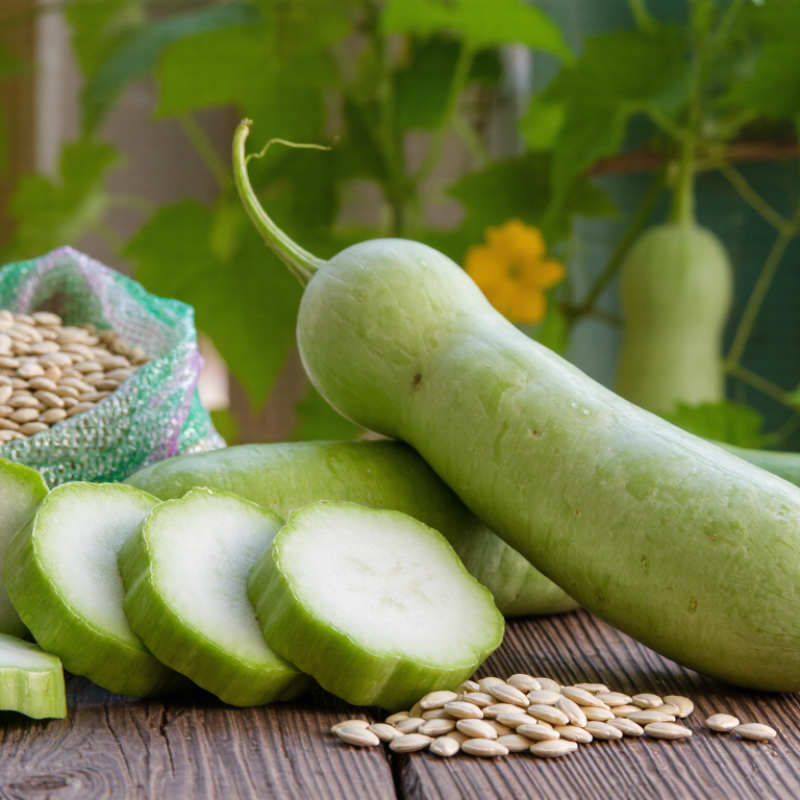
Why Choose Bottle Gourd Seeds for Global Sourcing?

Bottle Gourd Seeds: Definition, Origin, and Core Characteristics

Why Choose Bottle Gourd Seeds for Global Sourcing?

Bottle gourd, or Lagenaria siceraria, is an annual climbing plant with African origins. Kew’s Plants of the World Online records its native range as tropical Africa and Asia. Its pale, flat seeds develop inside a hard-shelled fruit. The plant prefers warm conditions, steady moisture, and loose, well-drained soil. Small details matter.

FAOSTAT groups bottle gourd within “pumpkins, squash and gourds,” a category exceeding 20 million tonnes annually in recent years. This broad classification shows market scale, but it hides bottle gourd’s separate performance. Buyers should therefore request lot-specific records, not rely on category averages.

Germination percentage, physical purity, seed moisture, and varietal identity deserve written verification. ISTA’s International Rules for Seed Testing provide recognized methods for these checks.

Origin affects sourcing risk. Seeds from humid regions may need stronger moisture control during storage and shipping. In practice, sealed packaging, desiccant use, and warehouse temperature logs can protect viability. Phytosanitary documents also support smoother cross-border movement.

Yet paperwork is not proof of field performance. Trialing a sample lot remains wise. It costs time, but prevents expensive surprises.

The weak point is often consistency. One supplier may call a long-fruited line “traditional,” while another uses the same term differently. Clear photographs, botanical names, harvest dates, and test reports reduce that ambiguity.

FAOSTAT data guide the market view; laboratory testing guides the purchase decision.

Nutritional, Agricultural, and Commercial Value of Bottle Gourd Seeds

Why Choose Bottle Gourd Seeds for Global Sourcing?

Nutritional, Agricultural, and Commercial Value of Bottle Gourd Seeds

Bottle gourd seeds offer a practical ingredient for buyers seeking plant-based nutrition. They contain protein, oils, fiber, and useful minerals. Their mild, nutty taste suits roasted snacks, bakery mixes, and traditional dishes. Actual values vary by cultivar, soil, and processing. Buyers should request recent laboratory reports, not rely on general averages. That small step improves confidence.

From an agricultural view, bottle gourd grows well in warm climates with careful water management. The seeds can support crop diversification and provide value beyond the fresh vegetable. Farmers may collect mature fruits, dry the seeds, and prepare them for cleaned, graded supply. However, post-harvest handling matters. Moisture, mold prevention, and consistent sorting can decide commercial quality. Practical sourcing experience often shows more than attractive product photos. Not every lot performs equally. Some supply plans still underestimate seasonal variation.

Tips: Ask for the botanical name, origin, harvest period, moisture level, and microbiological results. Confirm whether seeds are whole, hulled, roasted, or raw. Request a small sample before discussing large volumes. Check packaging strength for humid transport routes. Clear specifications prevent expensive misunderstandings.

Why Choose Bottle Gourd Seeds for Global Sourcing?

Nutritional, Agricultural, and Commercial Value of Bottle Gourd Seeds

Dry-Basis Proximate Composition of Bottle Gourd Seeds

Bottle gourd seeds are naturally rich in oil and plant protein, supporting applications in edible oil, roasted snacks, bakery ingredients, and plant-based formulations. The values shown are representative published analytical results per 100 g of dried seeds; actual composition varies with cultivar, growing conditions, maturity, and processing method.

Key Factors Driving Global Demand for Bottle Gourd Seeds

Why Choose Bottle Gourd Seeds for Global Sourcing?

Key Factors Driving Global Demand for Bottle Gourd Seeds

Global demand for bottle gourd seeds is growing through food, farming, and ingredient markets. The crop suits warm regions and performs well in smallholder fields. Its pale, round seeds are easy to dry, pack, and transport. This supports trade across long supply routes.

Demand also comes from changing dietary habits. Bottle gourd is used in soups, curries, pickles, and vegetable-based meals. In some markets, consumers value its mild flavor and low-fat profile. However, nutrition claims require careful testing. Seed suppliers should provide clear specifications instead of promising unverified health benefits.

Reliable sourcing depends on practical quality controls. Buyers often check germination rates, moisture levels, varietal purity, and foreign material. Good storage matters. High humidity can reduce seed performance before planting season. Traceable harvest records and suitable phytosanitary documents also strengthen buyer confidence.

Climate flexibility adds value. Yet performance is never identical everywhere. Soil, rainfall, disease pressure, and farming skills can change results. A small trial plot is wise before large purchasing commitments. Bitter fruit can also create concern in some varieties, so buyers should confirm the genetic type and follow food safety procedures. Some details remain uncertain. Local field evidence still matters.

Quality Standards and Supply Chain Considerations for International Buyers

Bottle gourd seeds require more than attractive packaging. International buyers should request lot-specific test results, including germination, physical purity, moisture, and seed health. The International Seed Testing Association’s 2024 International Rules provide recognized methods for these tests. A practical specification should also state sampling procedures, testing dates, tolerances, and corrective actions.

Traceability matters when shipments cross several borders. Each lot should carry a harvest code, origin record, treatment status, and sealed-bag identification. The World Bank’s 2023 Logistics Performance Index reports a median 44-day journey from port entry to final destination. Heat and humidity can damage seed vigor during that period. Moisture-barrier packaging, data loggers, and agreed storage conditions reduce that risk. Not every supplier uses the same controls.

Environmental data deserves attention too. FAO’s AQUASTAT reporting indicates agriculture accounts for roughly 70% of global freshwater withdrawals. Buyers can ask for irrigation records and production-area information, although farm-level data may be incomplete. This is where due diligence becomes less comfortable. A certificate confirms tested attributes, not every condition experienced during transport. Independent pre-shipment sampling, photographic loading records, and arrival testing can expose gaps early. A small retained sample is useful. Mistakes still happen.

Why Choose Bottle Gourd Seeds for Global Sourcing? - Quality Standards and Supply Chain Considerations for International Buyers
Sourcing Dimension Recommended Buyer Benchmark Why It Matters for Bottle Gourd Seeds Verification or Documentation Supply Chain Consideration
Botanical Identity Lagenaria siceraria; clearly identified variety or seed type Correct identity supports predictable fruit shape, maturity period, yield potential, and market use. Botanical name, variety declaration, lot number, and product specification sheet Use a separate lot for each variety and prevent mixing during cleaning, packing, and transport.
Germination Capacity Specify a minimum of 80% germination unless local regulations or the purchase contract require a different level. Higher germination improves stand establishment and reduces the need for replanting or excess seeding. Recent laboratory germination report showing test method, test date, lot number, and result Set a minimum remaining validity period at shipment and retest older lots before dispatch.
Physical Purity Target at least 98% pure seed by weight, subject to the importing country’s seed standard. Low contamination helps maintain uniform sowing rates and reduces weed or foreign-seed risks. Purity analysis covering pure seed, inert matter, and other seeds Use calibrated cleaning equipment and inspect every packed lot before container loading.
Moisture Control Set a contractual maximum, commonly around 8% for properly dried vegetable seed, unless a stricter destination standard applies. Excess moisture can accelerate deterioration, mold growth, heating, and loss of germination during storage or transit. Moisture test report and documented sampling procedure Use moisture-barrier inner packaging, dry warehouses, desiccants where suitable, and protection from condensation.
Seed Health Seeds should be clean, free from visible insects, and compliant with destination-country pest and disease requirements. Seed-borne contamination can cause border delays, treatment costs, rejected shipments, or field establishment problems. Phytosanitary certificate when required, health declaration, and relevant laboratory test results Confirm import permits and quarantine rules before production and again before shipment.
Genetic and Physical Uniformity Define acceptable limits for off-types, damaged seeds, immature seeds, discoloration, and abnormal seed size. Uniform seed lots support more consistent crop development and commercial fruit specifications. Reference sample, visual inspection record, and field or lot history where available Approve a pre-shipment sample and retain a sealed reference sample for claim resolution.
Sampling and Testing Use a documented, representative sampling plan and testing by a competent or accredited laboratory. A representative sample provides greater confidence that test results reflect the complete seed lot. Sampling record, chain of custody, test report, and recognized seed-testing methodology Align sampling responsibilities between buyer, supplier, and independent inspection service before contracting.
Traceability Every package should show lot number, variety, net weight, production or packing date, and origin information where required. Traceability enables targeted recalls, quality investigations, and efficient inventory management. Lot register, packing records, test reports, and shipment documents Keep lot identities intact from harvest and processing through warehousing and final delivery.
Packaging and Labeling Use sealed, moisture-resistant packaging with clear labels in the required language and measurement units. Suitable packaging protects germination quality and reduces damage caused by humidity, handling, and abrasion. Packaging specification, label artwork, net-weight verification, and carton checklist Select package sizes according to forecast demand to reduce repeated opening and long-term storage exposure.
Storage and Shelf-Life Management Store in a cool, dry, clean, pest-controlled environment and apply first-expiry-first-out inventory rotation. Seed viability declines faster when exposed to heat and moisture, especially during extended storage. Warehouse temperature and humidity logs, stock-rotation records, and periodic germination checks Avoid direct floor contact, roof leaks, unventilated containers, and storage beside chemicals or strong odors.
International Documentation Prepare commercial invoice, packing list, transport document, certificate of origin when needed, and plant-health documents when required. Complete documentation reduces customs queries, clearance delays, and the risk of shipment rejection. Document checklist matched to the importing country and delivery terms Check requirements with the destination plant-quarantine authority before booking production or freight.
Logistics and Risk Control Agree on Incoterms, inspection points, tolerance limits, claims procedure, and contingency plans for delays. Seeds are relatively compact and non-perishable compared with fresh produce, but quality can still decline under poor transit conditions. Purchase contract, inspection report, transport records, and nonconformance procedure Plan shipment timing around planting seasons, customs lead times, port congestion, and available storage capacity.
Note: The benchmarks above are practical procurement references rather than universal legal limits. Final specifications should follow the importing country’s seed, labeling, quarantine, and phytosanitary regulations, as well as the buyer’s contract.

How to Evaluate Reliable Bottle Gourd Seed Suppliers Worldwide

Reliable bottle gourd seed suppliers need more than attractive catalogs and low prices. They should identify the crop as Lagenaria siceraria and state the variety clearly. Ask for the seed lot number, harvest season, physical purity, germination rate, and moisture level. These details show whether the supplier understands professional seed handling.

Request a representative sample before placing a large order. Test it under controlled conditions, such as clean trays, stable moisture, and suitable warmth. Record how many seeds emerge, how evenly seedlings develop, and whether young plants show unusual weakness. A practical test may reveal differences hidden by a certificate. Keep photographs and test notes for comparison.

Traceability is equally important. The supplier should provide clear packing labels, storage instructions, and documents required by the destination country. Check whether the seeds are untreated or treated, and confirm that the declaration matches the shipment. Good communication matters too. Reliable teams answer technical questions directly and explain delays early. They do not promise perfect results in every climate.

A neat warehouse is useful evidence, but it is not proof. I have learned that small details, such as damaged foil packs or unclear lot dates, deserve attention. They may indicate weak inventory control. Payment terms, replacement policies, and inspection procedures should be written plainly. A supplier willing to discuss limitations may be more dependable than one making flawless claims. Not every trial succeeds. That is why documented testing remains essential.

CNC machining CAD export file formats

Put your parts in production today

Get an instant quote