Why Choose an Electronic Vacuum Gauge?
Choosing an Electronic Vacuum Gauge is not merely a matter of reading a number on a display. The right instrument can help operators track pressure changes, spot leaks, and protect sensitive equipment. In a coating chamber, for example, a stable reading can show whether the system has reached the conditions needed before a run begins. Small details matter: sensor type, pressure range, gas composition, and installation position can all affect the result. A digital display is convenient, but it does not automatically make a measurement accurate.
James F. O’Hanlon, author of A User’s Guide to Vacuum Technology, offers a useful principle, paraphrased here rather than presented as a verbatim quotation: “Choose a gauge whose measurement method and range fit the process.” That distinction helps explain why electronic gauges vary in design and performance. Some suit routine monitoring; others support demanding processes that require faster response or broader measurement ranges. Not every setup needs the most advanced model. A careful choice should consider calibration, maintenance, operating conditions, and how staff will interpret the readings. Even a well-selected gauge can mislead if it is poorly positioned or neglected. That matters. In this guide, we will examine the practical benefits, limitations, and selection factors behind an Electronic Vacuum Gauge, so readers can make decisions based on their actual vacuum system—not just a product label.
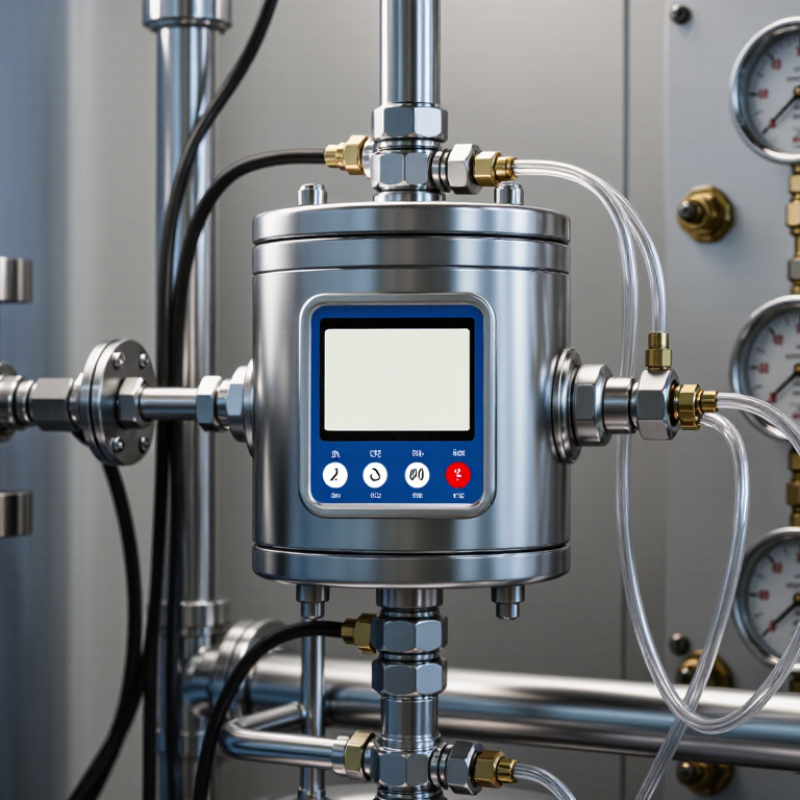
What an Electronic Vacuum Gauge Measures
Why Choose an Electronic Vacuum Gauge?
An electronic vacuum gauge measures the pressure remaining inside a vacuum chamber or system. It does not measure “vacuum” as a separate substance. Instead, it reports gas pressure, usually in units such as pascals, millibar, or microns. The displayed value helps operators monitor evacuation, compare readings over time, and check whether a process has reached its target pressure. Small changes matter. A stable reading may indicate steady conditions, while a drifting number can signal a leak, outgassing, or a changing system temperature.
The exact measurement depends on the gauge’s sensor. A capacitance-based sensor responds to pressure-related mechanical movement and can provide readings with less dependence on gas type. Thermal-conductivity sensors infer pressure from how gas carries heat, so their response can vary with the gas present. Check the instrument’s specified range and gas assumptions before comparing readings. A gauge also measures pressure only where its sensor is installed; placement near a pump may not represent pressure at a distant chamber. A reassuring display is not the whole story.
Tips: Keep the sensor clean and follow its calibration schedule. Record the pressure, location, and time together. If readings seem inconsistent, check connections and temperature before assuming the gauge is faulty.
Why Choose an Electronic Vacuum Gauge?
What an Electronic Vacuum Gauge Measures
Electronic vacuum gauges measure absolute pressure, commonly displayed in millibar (mbar). Different sensor technologies cover different pressure ranges; thermal-conductivity readings can depend on the gas, and the ranges shown are representative rather than universal.
How Electronic Vacuum Gauges Detect Pressure
An electronic vacuum gauge converts a physical change inside a chamber into an electrical signal, then relates that signal to pressure. The sensing method depends on the gauge type. In a Pirani gauge, a heated wire loses heat as gas molecules carry energy away; the circuit detects the resulting change in wire resistance. A capacitance diaphragm gauge instead measures how pressure bends a thin membrane. Ionization gauges detect charged gas particles, making them useful at very low pressures. Different mechanisms suit different ranges.
Calibration gives those signals meaning. NIST Special Publication 250-65, NIST Calibration Services for Vacuum, documents reference calibration over a range of approximately 10⁻⁶ to 10⁵ pascals. That range describes the service, not every gauge’s operating limits. Check the instrument’s specified range and calibration conditions. Gas composition matters, especially for thermal-conductivity and ionization gauges, because different gases produce different sensor responses. A practical detail: keep the sensing element clean, and allow it to stabilize before recording a reading. Small temperature shifts can matter. Electronic readouts are convenient, but they do not remove uncertainty; calibration, installation, and the process gas still shape the result. That part is easy to overlook.
Common Types of Electronic Vacuum Gauges
Electronic vacuum gauges convert pressure into an electrical signal that a controller or display can read. Common types include thermal-conductivity, capacitance diaphragm, and ionization gauges. Each responds to a different physical effect, so the gauge that works well on one chamber may mislead on another.
Thermal-conductivity gauges, including Pirani and thermocouple designs, estimate pressure from how gas carries heat away from a heated element. They are practical for rough and medium vacuum ranges. Their readings depend on gas composition, though. A change from air to another process gas can shift the result, even when pressure stays constant. Simple, but not universal.
Capacitance diaphragm gauges measure how pressure deflects a thin diaphragm. They are comparatively independent of gas type and suit applications where stable, accurate readings matter. Ionization gauges, including hot-cathode and cold-cathode types, measure ions formed from residual gas. They serve high and ultra-high vacuum work, but require suitable operating conditions and careful handling.
In real systems, gauges may overlap in range, and placement matters: a sensor near a pump can read differently from one near the process. That detail is easy to overlook. Selecting a gauge is not always a neat range-matching exercise; gas, contamination, response time, and maintenance needs all deserve attention.
Advantages in Vacuum Monitoring and Control
Why Choose an Electronic Vacuum Gauge?
Advantages in Vacuum Monitoring and Control
Electronic vacuum gauges make pressure easier to read and track. A digital display can reduce transcription errors during routine checks. Logged readings can reveal how pressure changes during pump-down or production. This helps operators spot a slow leak or a pump that is taking longer than usual. Some gauges also provide signals for alarms or control systems. The gauge itself does not control the process. That distinction matters.
Tips: Match the gauge’s measurement range and sensor type to your process. Place it near the chamber when practical, and avoid spots exposed to vibration or residue. Check readings against a suitable reference on a regular schedule.
A tidy display is not proof of a reliable measurement. Some sensor readings can vary with gas composition, so check the instrument’s operating guidance before comparing values across different processes. Record the pressure, time, and operating conditions together; a number without context can mislead. It is easy to over-trust a single reading. Trends are often more useful, though they are not perfect either. Calibration, careful placement, and consistent records make electronic monitoring more dependable.
How to Select a Gauge for Your Application
Why Choose an Electronic Vacuum Gauge?
How to Select a Gauge for Your Application
Start with the pressure range your process actually uses, not the widest range on a catalogue page. NIST Special Publication 250-39 describes vacuum-pressure calibration capabilities spanning approximately 10⁻⁷ Pa to 10⁵ Pa. That breadth shows why one gauge type cannot provide equal accuracy across every vacuum regime. Check the instrument’s stated accuracy and resolution at your operating pressure. A display with many digits can still give misleading confidence.
Next, consider the gas, environment, and response time. Thermal-conductivity gauges can respond differently to different gases, while capacitance diaphragm gauges measure pressure with less dependence on gas composition. For processes with changing gases, corrosive vapors, or frequent cleaning, verify sensor compatibility and maintenance requirements before purchase. ISO 3567:2011 describes calibration by comparison with a reference gauge; ask whether the instrument’s calibration method suits your required measurement uncertainty. Small details matter. A gauge mounted far from the chamber may show pressure changes late, especially during rapid pump-down. One trade-off is easy to underestimate: a rugged sensor may be slower or less sensitive at the pressure you care about. Recheck the actual working conditions against the calibration range.


