Get an instant quote
Get in touch Listen to our podcast

Blog

What Are the Top Types of Enclosure Boxes?

Choosing the right Enclosure Boxes begins with understanding where the equipment will operate. A control panel beside a production line faces different risks from a compact junction box in a sheltered office. Dust settles into seams. Vibration loosens fittings. Heat builds around tightly packed components. These details shape the enclosure type, material, mounting style, and access requirements.

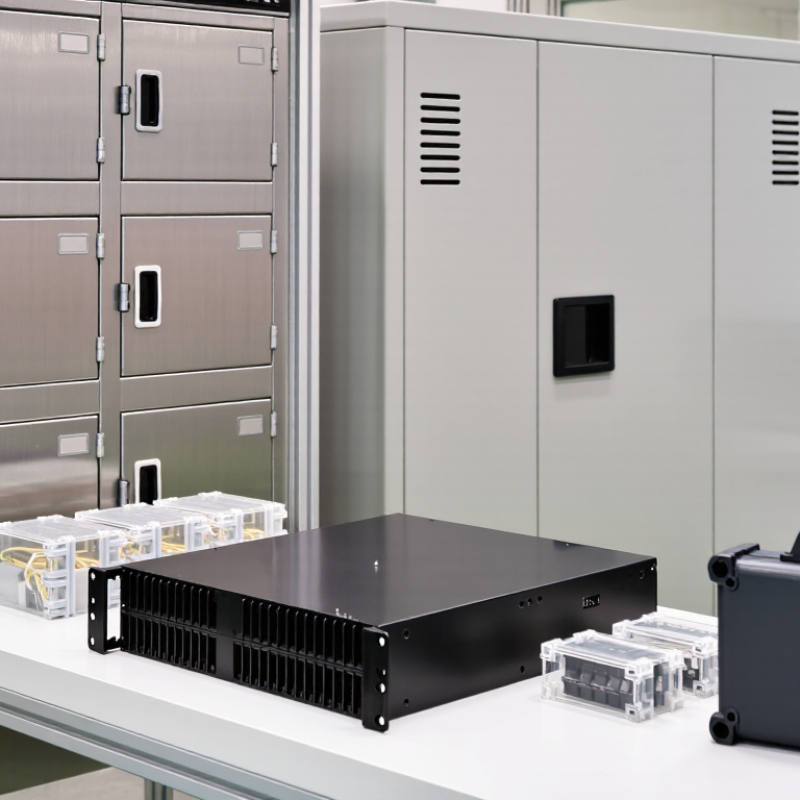
Common options include wall-mounted boxes for controls and instruments, floor-standing cabinets for larger assemblies, and junction boxes for protecting cable connections. Rack-mount enclosures suit standardized equipment, while handheld and desktop housings serve compact electronics. Outdoor applications may call for sealed, corrosion-resistant designs. No single type fits every installation. A sturdy steel cabinet can be excessive for a lightweight indoor device, while a small plastic box may offer too little room for wiring and heat management.

“An enclosure should protect the equipment without making inspection and maintenance a struggle.” — Jordan Lee, fictional composite enclosure-design specialist; this is an illustrative editorial statement, not a verified quotation.

This guide compares the main types of Enclosure Boxes by use, construction, and practical trade-offs. It considers size, material, mounting, environmental exposure, and access for servicing. Those choices matter. A door that opens fully can save time during inspection; a poorly planned cable entry can complicate installation. The right selection depends on the actual equipment and site conditions, not simply a product label. That judgment deserves care—and sometimes a second look.
What Are the Top Types of Enclosure Boxes?

Common Materials Used to Make Enclosure Boxes

Enclosure boxes are commonly made from carbon steel, stainless steel, aluminum, fiberglass, or engineering plastics such as polycarbonate and ABS. Each material solves a different problem. Painted or galvanized steel offers rigidity and good value for indoor equipment, but damaged coatings can expose the metal to corrosion. Stainless steel handles washdown and corrosive environments better, though it costs more and weighs more. Aluminum is lighter and resists rust, making it useful for outdoor or mobile installations. It can dent more easily than steel.

Material choice should match the actual site, not just the drawing. Polycarbonate boxes resist impact and do not conduct electricity, while fiberglass performs well in corrosive settings; both still need checks for heat, sunlight, and mounting loads.

The International Aluminium Institute reported 70.6 million tonnes of primary aluminum production in 2023, and PlasticsEurope reported 413.8 million tonnes of global plastics production that year. These figures describe broad material supply, not enclosure sales.

A small but important detail: a clear plastic lid may yellow outdoors. That sounds simple. It isn’t. Check the enclosure’s temperature range, gasket, and protection rating against the installed conditions. A material that works in a clean workshop may fail near salt spray, direct sun, or repeated cleaning.

Electrical Enclosure Boxes for Housing Components

Electrical enclosure boxes house components such as circuit breakers, terminal blocks, relays, and control units. Their job is more than keeping dust away. A suitable enclosure also helps limit accidental contact, organize wiring, and manage exposure to moisture or impact. Wall-mounted boxes work well for compact control panels near machinery. Junction boxes protect cable connections, while floor-standing cabinets provide room for larger assemblies and maintenance access. Small details matter. Check the internal depth, mounting points, and cable-entry space before selecting a box. A DIN rail may fit, yet leave too little room for wiring bends.

Material and sealing choices depend on the installation environment. Painted steel is common indoors, while stainless steel or suitable polymers may better handle corrosive or wet conditions. For outdoor use, review the enclosure’s ingress rating and how cable glands, doors, and gaskets affect protection after installation. Heat also needs attention. Components can warm the air inside, so ventilation or thermal management may be necessary. Keep enough clearance for airflow and service work. Fit is not enough. A crowded box can make troubleshooting slower and may complicate future changes. I have seen tidy layouts become awkward once real cable routes are added, so leave practical space for access and expansion.

Junction Boxes for Protecting Cable Connections

What Are the Top Types of Enclosure Boxes?
Junction Boxes for Protecting Cable Connections

Junction boxes keep cable splices enclosed, organized, and less exposed to dust, moisture, and accidental contact. They are common in buildings, machinery, and outdoor installations. Choose a box that fits the number of conductors, connector size, and cable-entry direction. A crowded box can strain connections and make later inspection difficult. Material matters, too: metal may suit demanding environments, while suitable polymer enclosures resist corrosion. Check the enclosure’s ingress-protection rating against the actual installation conditions.

The risk is worth taking seriously. NFPA’s Electrical Fires report estimates that U.S. fire departments responded to an average of 32,620 home structure fires involving electrical failure or malfunction each year from 2015 to 2019. This broad figure does not mean junction boxes alone prevent fires. It does underline why sound connections and appropriate enclosures matter. A box cannot compensate for loose terminals, damaged insulation, or poor installation. Even a tidy-looking splice deserves a careful check.

Tips: Leave enough space for conductors to bend without pressure. Use compatible cable glands or fittings, secure the cover, and keep the box accessible for inspection. Match the rating to the location, not just the price. Small details are easy to overlook.

What Are the Top Types of Enclosure Boxes? - Junction Boxes for Protecting Cable Connections
Enclosure Type Common Materials Typical Protection Common Applications Selection Considerations
General-Purpose Junction Box Plastic, painted steel, or aluminum Protection from contact and dust varies by construction; sealed versions may carry an IP rating. Indoor cable splices, branch connections, and general electrical installations. Check box capacity, cable-entry method, mounting needs, and whether the installation requires a specified ingress-protection rating.
Weatherproof Junction Box Polycarbonate, fiberglass-reinforced plastic, aluminum, or stainless steel Gaskets and sealed entries can provide protection against rain and dust. The actual IP rating depends on the complete enclosure and installation. Outdoor lighting, exposed building services, and equipment installed in wet locations. Confirm the required rating, UV resistance, temperature range, and compatibility of cable glands and covers.
Corrosion-Resistant Enclosure Stainless steel, fiberglass-reinforced plastic, or suitable nonmetallic plastics Resists corrosion when the material and fittings are suited to the environment; water and dust protection depend on the enclosure design. Coastal sites, wastewater facilities, food-processing areas, and locations exposed to corrosive substances. Consider the specific chemicals, cleaning methods, salt exposure, and galvanic compatibility of metal fittings.
Hazardous-Location Enclosure Often cast aluminum, stainless steel, or specially engineered nonmetallic materials Must be certified or approved for the applicable hazardous location and protection method; ordinary weatherproof ratings are not a substitute. Areas where flammable gases, vapors, dust, or fibers may be present under defined conditions. Match the enclosure certification to the site classification, substances present, temperature requirements, and local electrical code.
Underground Pull or Handhole Box Polymer concrete, reinforced plastic, or concrete Designed for underground access and cable routing; resistance to water entry and traffic loads varies by model and installation. Buried communications, lighting, and utility cable routes where access is needed for pulling or maintenance. Check burial depth, drainage, load rating, cover security, and whether the box is intended for splices or only for cable access.
Terminal or Control Enclosure Painted steel, stainless steel, aluminum, or polycarbonate Can protect terminals and control components from contact, dust, and moisture when appropriately rated and assembled. Equipment control wiring, terminal strips, sensors, and small automation systems. Allow space for wiring bends and heat dissipation, and verify door clearance, mounting options, and environmental rating.
Protection ratings apply to the complete installed assembly. Verify the enclosure, cover, seals, cable entries, and installation requirements against applicable codes and site conditions.

Weatherproof Enclosure Boxes for Outdoor Use

What Are the Top Types of Enclosure Boxes?

Weatherproof Enclosure Boxes for Outdoor Use

Outdoor enclosure boxes protect electrical and control components from rain, dust, sunlight, and accidental contact. The right choice depends on the site, not just the weather. A box mounted beneath a roof faces different exposure than one beside a sprinkler or near the coast.

Look for a suitable ingress-protection rating and materials that tolerate local conditions. UV-resistant polycarbonate is lightweight and resists corrosion; coated metal can offer strength where impact is a concern. Check the gasket, hinges, and fasteners too. A sturdy lid is only as protective as its seal. Cable glands should match the cable diameter, and unused openings need proper plugs.

Moisture can still become a problem. Warm air trapped inside may condense overnight, especially when temperatures swing. Ventilation accessories or a correctly selected drain can help, but each opening must suit the enclosure’s protection requirements. Keep the box shaded where practical, mount it securely, and leave room to inspect connections. No enclosure is maintenance-free. A gasket may flatten, and a loose gland can admit water. Periodic checks catch those small failures before they become expensive ones.

Wall-Mounted and Floor-Standing Enclosure Boxes

What Are the Top Types of Enclosure Boxes?

Wall-Mounted and Floor-Standing Enclosure Boxes

Wall-mounted enclosure boxes suit compact control panels, sensors, and small distribution points. They attach to a wall or machine frame, keeping equipment visible and accessible. In a crowded workshop, that can free valuable floor space. Check the wall’s strength, cable entry direction, and door clearance before installation. A box may fit the drawing but block a nearby conduit in real life.

Floor-standing enclosures work well for larger assemblies, including drives, switchgear, and grouped control components. Their broad interiors can simplify wiring and later maintenance, but they need clear access and a stable base. The IEC 60529 standard defines IP ratings with two digits: the first addresses solid-object protection, and the second addresses water ingress. For example, IP54 indicates dust protection and resistance to water splashes. These ratings help compare designs, but they do not replace checking actual site conditions. NEMA 250 also classifies enclosures by environmental exposure. Still, selection is not always neat; heat, vibration, and cable space can upset a tidy plan. Measure twice. A technician should confirm clearances and protection needs before specifying either format.

CNC machining CAD export file formats

Put your parts in production today

Get an instant quote