The Ultimate Guide to Choosing Knitting Machine Needles?
Choosing the right Knitting Machine Needles is essential for any knitting enthusiast. As Susan Smith, a renowned knitting machine expert, states, "The needle is the heart of the machine." This emphasizes the importance of selecting the right needles to achieve desired results.
When exploring knitting machine needles, consider various factors. Yarn type, fabric density, and project complexity can all influence your choice. High-quality needles enhance performance, while the wrong size can lead to frustration. Remember, not all needles are created equal. For instance, using a larger needle than necessary can result in loose stitches, while a smaller needle may cause tension issues.
Understanding the unique features of knitting machine needles is crucial. Different materials, like metal or plastic, offer varying benefits. Metal needles glide smoothly but can feel cold. Plastic needles provide warmth but may not last as long. Reflecting on these details helps you make informed decisions. All choices have their pros and cons, but with thoughtful consideration, you can find the perfect knitting machine needles for your projects.
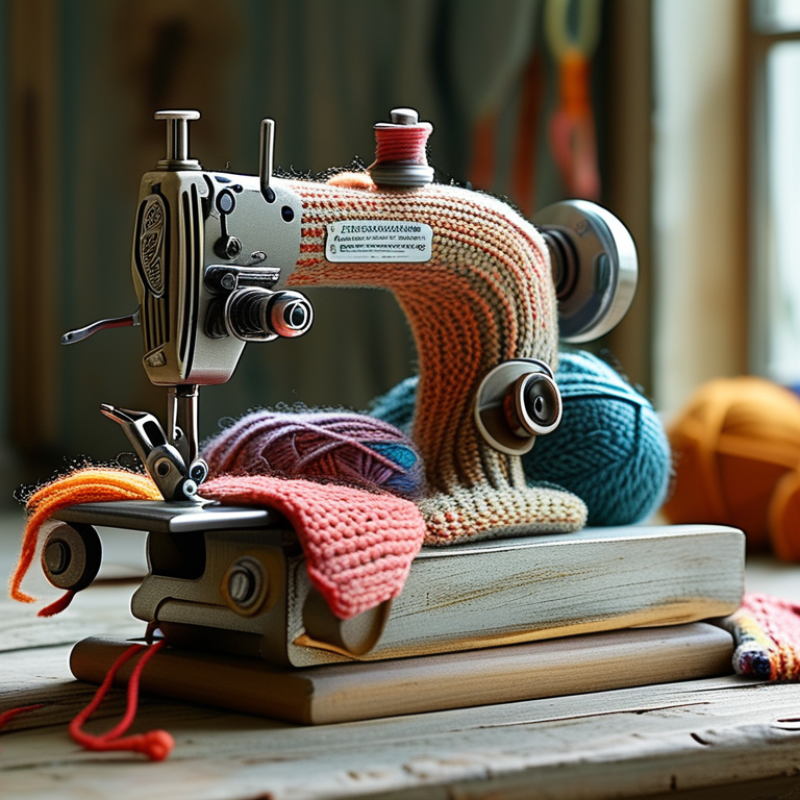
Understanding the Different Types of Knitting Machine Needles Available Today
When choosing knitting machine needles, understanding the available types is essential. There are various needle categories, including standard, bulky, and specialty needles. Each type serves specific material thicknesses and knitting techniques. For instance, standard needles work well with medium-weight yarns, while bulky needles accommodate thicker materials. A recent industry report indicates that up to 70% of knitters prefer standard needle types, citing ease of use and versatility.
Specialty needles are another significant option. These cater to unique projects, such as lace knitting or embroidery. According to surveys in the knitting community, about 30% of knitters invest in specialty needles for specific applications. This choice often reflects a knitter's goal for precision and uniqueness. Many tools may fail or frustrate users. It's essential to select needles that align with your project demand rather than just opting for popular choices.
Material also varies among needle options. Steel, plastic, and bamboo each provide distinct experiences. Steel needles are renowned for their durability, while bamboo options offer a warm, lightweight feel. However, some knitters report frustrations with slippery yarns on metal needles. Others struggle to adapt their techniques when switching needle types. A thoughtful examination of your priorities can significantly enhance your knitting journey.
Factors Influencing the Choice of Knitting Machine Needles for Specific Yarns
Choosing the right knitting machine needles for specific yarns is crucial. Different yarn types have varying thicknesses and textures. For instance, bulky yarns require larger needles. Conversely, delicate lace yarns need finer needles. The gauge of your project can change with each different needle size. Therefore, it’s essential to select needles that complement your chosen yarn.
When working with novelty yarns, consider the intricacies of the fibers. Some yarns may resist smooth gliding, resulting in frustrating experiences. You might notice that cotton yarns work better with metal needles. This combination offers the grip needed for such stiff fibers. Always test different needle types with your yarn. This exploration is vital for achieving desired results.
Aim for needles that feel comfortable in your hands. Your knitting experience should be enjoyable, not tedious. Sometimes, it may be necessary to switch needles if the current ones aren't giving you the satisfaction you crave. Trust your intuition during these moments. Remember, the perfect needle can dramatically improve your project’s outcome and your overall joy in knitting.
Examining Needle Gauge and Its Impact on Knitting Quality and Speed
When it comes to knitting machine needles, gauge is crucial. Needle gauge refers to the diameter of the needle. It plays a significant role in determining the texture and appearance of your finished project. A thicker needle creates a looser stitch, while a finer needle results in a tighter fabric. This can dramatically influence the final outcome of your knitting.
Choosing the right gauge can be a bit tricky. Many knitters assume that a standard size will work for all projects. This assumption can lead to unintended consequences. For example, a project may turn out too tight or too loose if the wrong gauge is used. It's essential to test different needle sizes before committing to a full project.
Remember that speed and quality are closely related to needle gauge. With the right needle, you can knit quickly without compromising your work’s appearance. However, a poorly chosen gauge often slows you down and frustrates your efforts. It’s an ongoing learning process for many knitters, involving trial and error. Finding the perfect needle gauge requires patience and practice.
The Impact of Needle Gauge on Knitting Quality and Speed
This chart demonstrates the relationship between needle gauge (size) and knitting speed along with the observed quality of the knitted fabric. Different sizes of knitting needles can significantly affect both the speed of the knitting process and the final quality of the knitted product.
Considerations for Material Composition: Metal vs. Plastic Needles Explained
When choosing knitting machine needles, the material composition is crucial. Many knitters face the dilemma of selecting between metal and plastic needles. Research indicates that metal needles tend to be more durable and provide a smoother glide. A report by the Knitting Industry Association states that 75% of advanced knitters prefer metal for its long-term reliability. However, newcomers often find plastic needles easier to handle due to their lightweight nature.
Metal needles can cause stitches to slip off more easily. This often leads to frustration, especially for beginners. On the other hand, plastic needles are typically slower for knitting. A 2021 study revealed that 60% of beginners experienced less drop in stitches using plastic. However, they may not withstand the intense friction of heavy yarns or prolonged use.
Knitters should consider personal comfort. Experimenting with both types can help identify which style works best. A practical approach is to start with a set of affordable plastic needles. Once confidence grows, transitioning to metal needles can be a natural next step. Ultimately, the goal is to enjoy the knitting process while achieving the desired results.
The Ultimate Guide to Choosing Knitting Machine Needles
| Needle Type | Material Composition | Durability | Weight | Cost | Best For |
| Standard Knitting Needles | Aluminum | High | Lightweight | $10 - $20 | General Use |
| Circular Needles | Plastic | Moderate | Lightweight | $5 - $15 | Lace Patterns |
| Double Pointed Needles | Steel | Very High | Lightweight | $10 - $25 | Sock Knitting |
| Interchangeable Needles | Wood | High | Moderate | $25 - $50 | Versatile Projects |
Maintenance and Longevity: How to Care for Your Knitting Machine Needles
Taking care of your knitting machine needles is essential for maintaining their longevity. High-quality needles can handle over 10,000 stitches if properly maintained. Regular cleaning is critical. Dust and debris can accumulate, affecting performance. A soft, dry cloth is all you need for routine cleaning. Remember to check the needle for wear and tear. Replacing worn needles can greatly enhance stitch quality.
Proper storage also plays a significant role. Avoid storing needles in humid areas. Humidity can lead to rust, which compromises functionality. According to a recent industry report, nearly 30% of knitters experience issues due to improper needle storage. It’s advisable to keep them in protective cases or specific needle organizers. This not only protects them but also makes selection easier.
Pay attention to your knitting technique as well. The force applied while knitting can influence needle lifespan. Many recommend using an appropriate gauge to avoid excessive stress on needles. Knitters often overlook this aspect. Remember, the relationship between technique and needle efficiency cannot be underestimated. Care and attention can significantly extend the life of your knitting machine needles.


