Wholesale Food Packaging in 2026 will be shaped by practical demands: protecting food, controlling costs, and fitting real distribution systems. A chilled meal tray faces different pressures from a flour sack or a carton of berries. Buyers therefore need more than a list of materials. They need to compare formats against product weight, moisture, shelf life, transport distance, and handling conditions.
Market data points to a substantial sector, but forecasts are not guarantees. Grand View Research estimated the global food packaging market at approximately $456.3 billion in 2023 and projected continued growth through 2030. Its estimate reflects a broad market definition, so figures may differ across research firms. The FAO’s 2019 State of Food and Agriculture report estimated that about 14% of food is lost between post-harvest and retail. Packaging alone cannot prevent that loss, but suitable barriers and protective formats can help reduce damage and spoilage.
The sections ahead examine common wholesale options, including corrugated cases, flexible films and pouches, rigid plastic containers, glass jars, metal cans, and fiber-based packs. Each has trade-offs. Corrugated cases stack well in a warehouse; flexible pouches use less space, yet may not suit every product or recycling system. Not every format wins. In practice, the best choice depends on food safety requirements, machinery, storage conditions, and the buyer’s supply chain. Those details deserve careful review, and broad sustainability claims should be checked against the actual package and local recovery options.
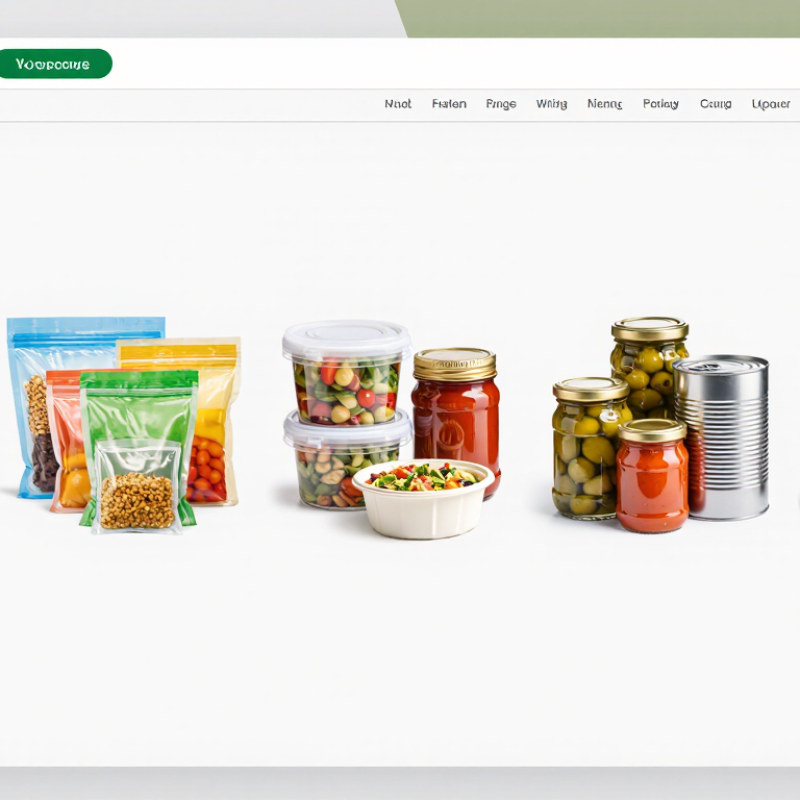
In 2026, wholesale food packaging means more than buying containers in bulk. It is a practical system for protecting food, moving it through distribution, and presenting it consistently at scale. A buyer may compare a carton’s stacking strength, a pouch’s seal, and how easily staff can open or label each unit. Small details matter. A weak seal can create waste; oversized packaging can consume storage space and transport capacity.
The need is substantial, but packaging is not a cure-all. The FAO’s 2019 State of Food and Agriculture estimated that 14% of food was lost between harvest and retail. That figure does not show how much packaging could prevent, so claims should stay measured. Material choices also carry trade-offs. The OECD’s Global Plastics Outlook (2022) reported that packaging represented 40% of global plastic waste in 2019. For wholesale buyers, the task is to balance food protection, handling needs, and material use—not simply choose the lightest option. Sometimes the best format is still a compromise. In 2026, responsible sourcing means checking product requirements, supplier specifications, and local recycling availability before placing large orders. A package described as recyclable may not be accepted by nearby collection systems. That gap deserves attention.
Wholesale food packaging works best when it matches the food, not just the order size. Dry goods such as flour, grains, and spices often need lightweight bags or cartons that resist punctures and keep contents dry. Moisture changes everything. Fresh produce may need ventilated crates or breathable films to reduce condensation, while berries benefit from shallow trays that limit crushing during transport.
Greasy or saucy foods call for packaging with dependable grease and leak resistance. Paper wraps can suit short service periods, but sealed containers are safer for longer delivery routes. Frozen foods need materials that stay flexible in low temperatures and protect against freezer burn. For hot meals, check that containers tolerate the expected heat without warping. Small details matter, like a lid that stays secure when stacked.
Wholesale buyers should also consider portion size, storage space, and how packages move through packing lines. A sturdy box may protect fragile pastries, yet take up too much warehouse room. There is no perfect pack for every food. A common mistake is choosing by unit price alone; damaged products and awkward handling can erase the savings. Test samples with the actual food and route before placing a large order.
How common packaging formats differ by food category
A value of 1 indicates a format commonly used for at least one product in that category; 0 means it is not a typical format. These are qualitative examples of common applications, not market-share or sales figures. Actual choices depend on the food, shelf-life needs, handling, and local packaging requirements.
Wholesale food packaging choices in 2026 will depend on what each material must protect: moisture, oxygen, grease, or temperature. Corrugated cardboard suits outer cases and dry goods because it stacks well and cushions jars or cans. Paper and molded fiber can reduce plastic use, but they are not automatic replacements for films around wet or oily foods. They may need coatings, which can complicate recovery. That trade-off matters.
Plastic films remain useful for lightweight packs that need a strong moisture barrier. Yet packaging was the largest source of plastic waste, accounting for 40% of global plastic waste in 2019, according to the OECD’s Global Plastics Outlook (2022). Paper has a different case: Eurostat reported an 82.5% recycling rate for paper and cardboard packaging in the EU in 2022. Those figures describe different waste systems, not a direct material comparison. Details matter.
Glass and aluminum offer strong barriers and suit products where aroma, light, or long storage is a concern. They also add weight, so transport and breakage deserve attention in wholesale orders. A practical choice starts with the food: chilled sauces need different protection from dry grains. Then test the pack under real stacking and shipping conditions. I’d be cautious about calling any one material “best”; local collection access and food-contact requirements can change the answer.
Wholesale food packaging in 2026 ranges from corrugated cases and paperboard trays to flexible films and reusable crates. The best choice depends on what the food needs during storage and delivery. A dry bakery item may travel safely in a paper pouch, while chilled produce often needs stronger moisture protection. Small details matter. A weak seal can lead to damaged goods and extra costs.
Compare the full cost, not just the price per pack. Include freight, storage space, packing time, and product loss. For safety, check that packaging is suitable for the food and its contact conditions, such as heat, oil, or moisture. Ask suppliers for clear material specifications and test records. For sustainability, look at material weight, recycled content, reuse potential, and whether local facilities can process the packaging. A recyclable label alone is not enough. I would not assume that lighter packaging is always better; if it causes more food damage, the trade-off may be poor.
Tips: Test a small shipment before committing to a large order. Compare packs under real conditions: stack cartons, chill samples, and check for leaks or crushed corners. Track damage and packing time. The results may challenge your first choice.
| Packaging type | Common wholesale uses | Relative material cost | Protection and practical strengths | Food-safety considerations | Sustainability considerations |
|---|---|---|---|---|---|
| Corrugated fiberboard | Shipping cases for produce, dry goods, and packaged foods | Low to medium; varies with board grade, size, and print requirements | Lightweight, stackable, and cushioning; not a moisture barrier unless specially treated or combined with a liner | Use a suitable food-contact liner when the food touches the box or when the application requires one. Keep dry and protect from contamination during storage. | Widely recyclable when clean and dry. Grease, food residue, wax coatings, and plastic laminations can limit recycling. |
| Paperboard cartons and sleeves | Cereal, frozen-food cartons, bakery boxes, and secondary packs | Low to medium; coatings and complex printing can increase cost | Good printability and shape; provides limited protection from moisture, oxygen, and grease without a suitable barrier layer | For direct food contact, the board, inks, adhesives, and any coating must be suitable for the intended food and use conditions. | Often recyclable if uncoated or accepted by local programs. Plastic barriers and food contamination may affect recyclability. |
| Flexible plastic film and pouches | Snacks, frozen foods, dried ingredients, and shelf-stable products | Low to medium per pack at scale; structure and barrier requirements affect cost | Lightweight and space-efficient; selected films or multilayer structures can provide strong moisture, oxygen, and aroma barriers | Food-contact suitability depends on the specific material, food type, temperature, and intended contact time. Verify the supplier’s compliance documentation. | Light weight can reduce transport mass, but multilayer films are difficult to recycle in many curbside systems. Check local collection options. |
| PET containers and trays | Cold drinks, clear deli containers, produce packs, and some ready-to-eat foods | Medium; container weight and shape influence cost | Clear, light, and impact-resistant; standard PET is not a high-heat packaging choice unless specifically designed for that use | Use food-contact-grade packaging and follow its stated temperature limits. Do not assume a cold-use container is suitable for hot filling or reheating. | PET bottles and some rigid containers are recyclable where accepted and properly sorted. Dark colors, labels, and mixed materials can affect sorting and recycling. |
| HDPE containers and tubs | Dairy products, sauces, ingredients, and bulk food storage | Low to medium; container thickness and closure type affect cost | Tough and moisture-resistant; opaque grades protect light-sensitive contents better than clear packaging | Confirm food-contact suitability and the permitted filling, storage, and cleaning conditions for the specific container. | Accepted for recycling in many programs, though acceptance varies by container form and location. Reuse may be possible when designed and managed for it. |
| Polypropylene (PP) tubs and trays | Meal-prep trays, yogurt-style tubs, deli foods, and some microwaveable packs | Low to medium; heat-resistant or custom formats may cost more | Good moisture resistance; some PP formats are made for hot filling or microwave use, but suitability is product-specific | Only use for heating or hot filling when the packaging is expressly rated for that condition and used according to its instructions. | Recycling availability for PP varies by region and facility. Food residue and attached materials can affect sorting and acceptance. |
| Aluminum cans, trays, and foil | Beverages, canned foods, bakery trays, and portion packs | Medium to high; metal gauge, forming, and coatings affect cost | Excellent barrier to light, oxygen, and moisture when properly sealed; lightweight and durable, but cans and trays may need coatings for compatibility | Interior coatings must be suitable for the food and process. Follow validated filling, sealing, and thermal-processing requirements where applicable. | Aluminum is recyclable and can be recycled repeatedly when collected and processed. Recycling outcomes depend on local collection and sorting. |
| Glass jars and bottles | Sauces, beverages, preserves, and premium retail foods | High relative to lightweight formats; transport and handling add cost | Strong barrier to gases and moisture; transparent options display contents, but glass is heavy and breakable | Glass is generally chemically inert, but closures, liners, and coatings also need to suit the food and use conditions. Protect against breakage and contamination. | Reusable where a return-and-wash system exists; recyclable in many areas. Its weight can increase transport impacts compared with lighter formats. |
| Molded-fiber food containers | Egg cartons, produce trays, and some takeaway food containers | Low to medium; molded shapes, strength, and barrier treatments affect cost | Provides cushioning and shape; uncoated fiber is not a reliable grease or liquid barrier for every food or serving duration | For direct food contact, confirm the material and any coatings are suitable for the food, temperature, and contact time. | May be recyclable or compostable depending on its composition and local facilities. Plastic coatings and food contamination can change disposal options. |
| Comparison note: Relative cost is directional, not a quoted price; actual costs depend on order volume, package size, material grade, printing, barriers, closures, freight, and region. Food-contact compliance and recycling or composting acceptance depend on the specific package and local rules. | |||||
Food packaging trends in 2026 are shifting toward simpler materials and more practical designs. Many buyers are asking for mono-material packs that are easier to sort than mixed-material structures. Lightweight trays and thinner films can also reduce material use, provided they still protect food during transport and storage. A package that leaks is not an improvement.
Fiber-based bowls and molded-fiber trays are gaining attention for dry or lower-moisture foods. However, grease and moisture barriers remain a challenge. Some coatings can complicate recycling, so suppliers should explain what the full package contains and how local facilities handle it. Claims need checking. “Recyclable” can mean different things in different places.
Digital features are becoming more useful, too. QR codes can share sourcing details, storage guidance, or batch information without adding much packaging material. For chilled goods, sensors and improved barrier films may help teams monitor temperature changes and reduce avoidable spoilage. These tools are not equally affordable for every producer. That gap deserves more thought.
In practice, the strongest packaging choices balance protection, cost, and end-of-life options, then test them under real packing and shipping conditions. A neat sample on a desk may behave very differently on a damp delivery route.
| Cookie | Duration | Description |
|---|---|---|
| cookielawinfo-checkbox-analytics | 11 months | This cookie is set by GDPR Cookie Consent plugin. The cookie is used to store the user consent for the cookies in the category "Analytics". |
| cookielawinfo-checkbox-functional | 11 months | The cookie is set by GDPR cookie consent to record the user consent for the cookies in the category "Functional". |
| cookielawinfo-checkbox-necessary | 11 months | This cookie is set by GDPR Cookie Consent plugin. The cookies is used to store the user consent for the cookies in the category "Necessary". |
| cookielawinfo-checkbox-others | 11 months | This cookie is set by GDPR Cookie Consent plugin. The cookie is used to store the user consent for the cookies in the category "Other. |
| cookielawinfo-checkbox-performance | 11 months | This cookie is set by GDPR Cookie Consent plugin. The cookie is used to store the user consent for the cookies in the category "Performance". |
| viewed_cookie_policy | 11 months | The cookie is set by the GDPR Cookie Consent plugin and is used to store whether or not user has consented to the use of cookies. It does not store any personal data. |