Choosing the right rig accessories is not a simple matter of comparing prices. Global buyers must consider equipment type, operating conditions, supplier quality, and long-term maintenance. A drilling rig working in wet clay needs different support components from one operating in hard rock or dusty terrain. Small details matter.
Fit matters most.
This guide examines the top rig accessories used across construction, mining, geotechnical, and energy projects. It focuses on practical purchasing factors, including drill rods, bits, couplings, clamps, hoses, pumps, filters, lighting, and safety-related attachments. Each accessory should match the rig’s specifications, load requirements, connection size, and operating environment. Incorrect compatibility can cause vibration, downtime, or premature wear.
Reliable documentation is equally important. Buyers should request material details, dimensional drawings, test records, maintenance guidance, and clear warranty terms. Recognized quality systems and relevant regional standards can support better purchasing decisions, although certification alone does not guarantee field performance. Supplier experience, replacement availability, and technical support often matter more after delivery.
In real projects, the cheapest option can become the most expensive one. A poorly sealed hydraulic hose may appear acceptable during inspection, then fail beside a muddy worksite. That possibility deserves attention. No checklist is perfect, and operating conditions can change unexpectedly. The strongest buying strategy combines verified specifications, practical field feedback, and honest communication with manufacturers.
This overview helps global buyers compare rig accessories with greater confidence. It also highlights common oversights, because even experienced procurement teams can miss a small but costly detail.
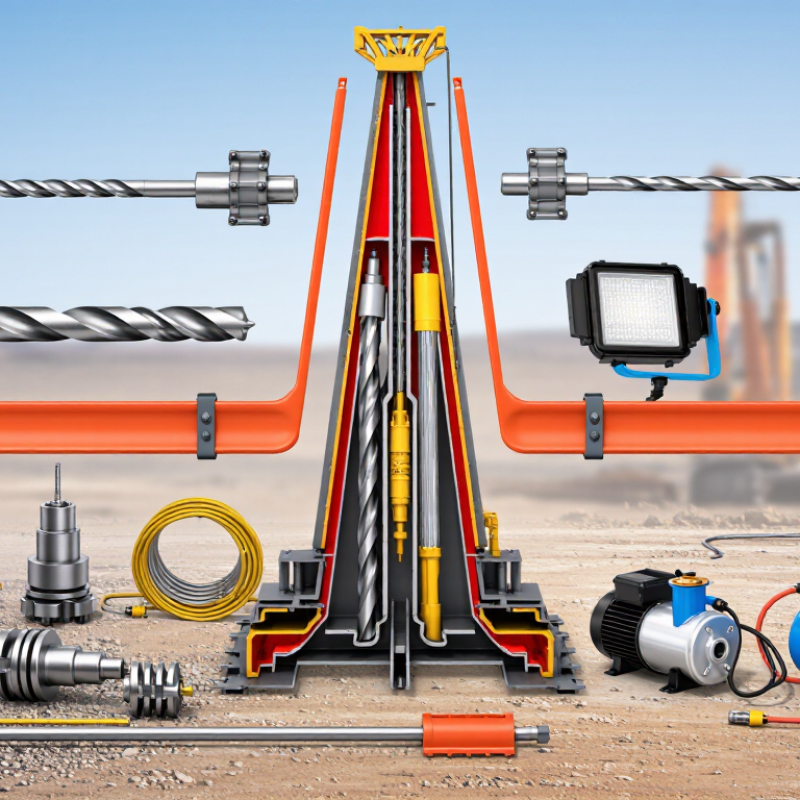
Rig accessories are supporting components that help a drilling rig operate safely, efficiently, and consistently. They are not limited to spare parts or decorative attachments. The scope includes tools, fluid-control equipment, lifting devices, monitoring instruments, safety systems, and replacement components.
Common categories include drill pipes, collars, stabilizers, subs, swivels, and handling tools. Mud pumps, hoses, valves, tanks, and filtration units support drilling-fluid circulation. Control panels, pressure gauges, sensors, and data systems help operators track changing conditions. Lighting, barriers, emergency shutdown devices, and protective equipment strengthen jobsite safety. Power units and hydraulic accessories can also improve mobility and working capacity.
Global buyers usually assess compatibility before price. Thread types, load ratings, pressure ranges, electrical specifications, and connection sizes must match the rig. Regional weather matters too. Cold climates may require heated enclosures, while dusty sites need stronger filtration and sealed controls. Experienced purchasing teams request material certificates, inspection records, operating instructions, and clear maintenance schedules. They also check packaging, spare-part availability, and transport dimensions.
Field experience shows that a cheaper accessory can create higher costs after installation. A mismatched valve may delay an entire shift. A weak lifting tool can expose workers to unacceptable risk. Yet specifications are not perfect; some suppliers provide incomplete data, and buyers may overlook local service limits. A practical review should include actual drilling conditions, operator feedback, and independent inspection where needed. Safety margins should never be treated as optional.
Selecting rig accessories begins with the drilling objective, not the catalog. For water-well drilling, choose durable drill pipes, stabilizers, mud pumps, and screens that manage fractured rock and changing groundwater conditions. Geotechnical work often needs compact rods, core barrels, and accurate sampling tools. Mining operations may demand high-torque connections, heavy-duty stabilizers, and wear-resistant bits for abrasive formations.
Match every accessory with the rig’s torque, spindle speed, feed force, and working pressure. Thread profiles must fit exactly. A mismatch can damage connections after only a few drilling cycles. Check the borehole diameter, expected depth, rock hardness, and drilling fluid before selecting a bit or pump.
In cold regions, seals and hydraulic hoses need flexible materials. In humid or coastal areas, corrosion protection becomes critical.
Real field experience also shows that maintenance access matters. An accessory may perform well but remain impractical if replacement parts are difficult to obtain. Request material records, pressure-test results, dimensional drawings, and inspection procedures from the supplier. These documents support safer purchasing and easier quality checks. I have seen buyers focus too heavily on initial price. That decision can increase downtime later. No checklist is perfect. Operators should review actual drilling data after each project and adjust accessory choices for the next formation.
Global buyers need rig accessories that protect people and support steady operation. Safety begins with correctly rated lifting slings, shackles, guards, and access platforms. Each item should show its working load, material, inspection status, and traceable documentation. Missing records can create uncertainty during urgent maintenance.
Control improves when operators can see, stop, and adjust equipment quickly. Emergency stop controls should remain visible, reachable, and clearly marked. Durable cable protectors reduce trip hazards around pumps and control panels. Pressure gauges, hose restraints, and vibration monitors also help teams notice developing problems. Small details matter.
Performance depends on compatibility, not appearance alone. Buyers should confirm dimensions, temperature limits, connection types, and corrosion resistance before ordering. Weatherproof lighting can improve night inspections around muddy platforms. Anti-slip surfaces offer better footing, although they still need regular cleaning. I have found that accessories often fail through poor installation, not weak materials. That deserves more attention. A checklist helps, but it can create false confidence when workers only tick boxes. Independent inspections, clear training, and maintenance records provide stronger assurance. Requirements differ across regions, so purchasers should verify applicable standards and site conditions with qualified professionals.
When global buyers select rig accessories, compatibility matters more than appearance. A strong accessory must match the rig’s pressure, load, thread, flow, and operating environment. Common choices include hydraulic hoses, swivel joints, drill rods, clamps, filters, adapters, and lifting points. Small mismatches can create leaks, vibration, or costly downtime.
Check recognized international standards for pressure ratings, material strength, thread profiles, electrical protection, and lifting safety. Request test certificates, dimensional drawings, material records, and batch traceability. I have found that clear drawings prevent more mistakes than attractive product photos. Metric and imperial threads can look similar. They are not interchangeable. Seal type matters too, especially in cold, dusty, or corrosive sites.
Supply planning deserves equal attention. Confirm minimum order quantities, spare-part availability, packaging quality, and replacement lead times before purchase. Ask whether the supplier can provide consistent batches over several years. A cheaper adapter is not economical if one missing seal stops a remote operation. Keep critical spares in sealed, labeled kits. This helps during night repairs. Delivery estimates can still change because of customs checks, port delays, or raw-material shortages. A perfect supply plan is impossible. That is worth admitting. Buyers should review performance records, inspection methods, and after-sales response rather than relying only on price. Samples should be tested on the actual rig whenever possible.
Global buyers often compare rig accessories by purchase price, yet quality appears during daily operation. In field inspections, I check steel thickness, weld consistency, thread accuracy, and protective finishes. A swivel joint should turn smoothly without heat marks or uneven play. Hoses need readable pressure ratings, flexible covers, and fittings suited to the working environment. Small defects can create expensive stoppages. Measure twice.
Cost includes shipping, installation, downtime, and replacement labor. A cheaper clamp may require frequent tightening or fail under vibration. A better component usually has clear dimensions, compatible connections, and accessible wear parts. Maintenance should be practical in remote locations. Grease points, inspection windows, replaceable seals, and simple cleaning procedures matter greatly. I prefer accessories with service instructions written in plain language. Confusing manuals waste time.
Long-term value also depends on traceability. Buyers should request material certificates, pressure-test records, load ratings, and dimensional drawings before ordering. These documents support safer decisions and reduce disputes across borders. Check whether spare parts remain available for several years, not only during the first sale. In one assessment, a durable guard still performed poorly because its fasteners corroded quickly. That judgment can be wrong without site-specific testing. Climate, dust, water quality, and operator habits change maintenance results. Choose carefully.
| Cookie | Duration | Description |
|---|---|---|
| cookielawinfo-checkbox-analytics | 11 months | This cookie is set by GDPR Cookie Consent plugin. The cookie is used to store the user consent for the cookies in the category "Analytics". |
| cookielawinfo-checkbox-functional | 11 months | The cookie is set by GDPR cookie consent to record the user consent for the cookies in the category "Functional". |
| cookielawinfo-checkbox-necessary | 11 months | This cookie is set by GDPR Cookie Consent plugin. The cookies is used to store the user consent for the cookies in the category "Necessary". |
| cookielawinfo-checkbox-others | 11 months | This cookie is set by GDPR Cookie Consent plugin. The cookie is used to store the user consent for the cookies in the category "Other. |
| cookielawinfo-checkbox-performance | 11 months | This cookie is set by GDPR Cookie Consent plugin. The cookie is used to store the user consent for the cookies in the category "Performance". |
| viewed_cookie_policy | 11 months | The cookie is set by the GDPR Cookie Consent plugin and is used to store whether or not user has consented to the use of cookies. It does not store any personal data. |