When selecting a Rectifier Bridge For Alternator, understanding your options is crucial. A rectifier bridge plays a vital role in converting AC to DC power. This component ensures that your alternator operates efficiently, providing the necessary power for various applications.
Choosing the right rectifier bridge can be challenging. There are many types available, each with unique specifications. Some may suit high-performance engines, while others are better for standard vehicles. This diversity can lead to confusion among buyers.
High-quality rectifier bridges should be durable and reliable. Look for reputable brands that offer warranties. This can be a sign of confidence in their product. Always consider the specifications needed for your specific alternator type. Investing time in research will lead to better decision-making, ensuring your alternator functions optimally.
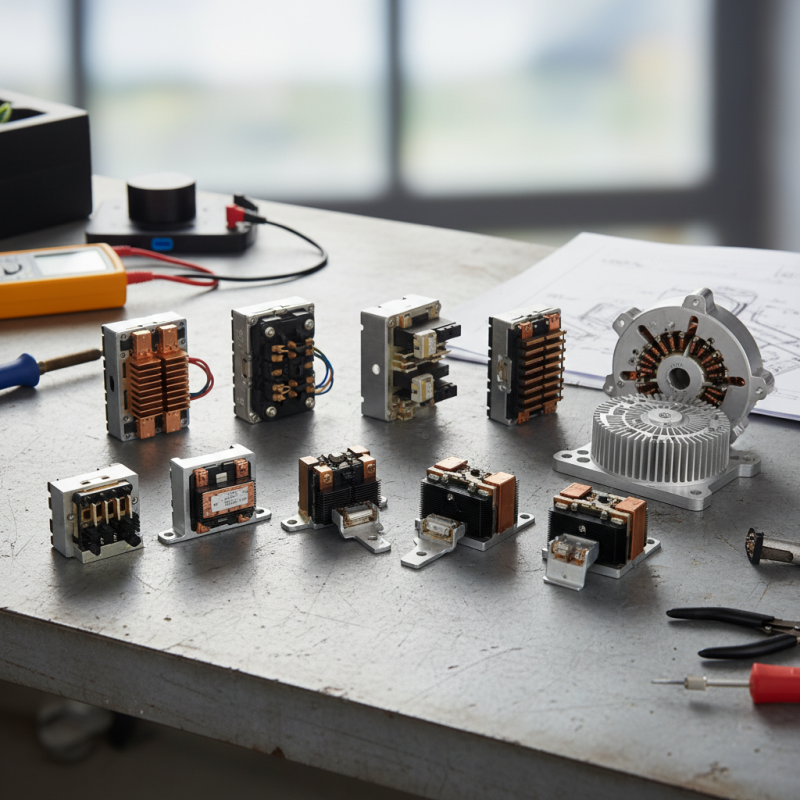
Rectifier bridges play a crucial role in alternators, converting alternating current (AC) to direct current (DC). Understanding their operation is essential for buyers looking to enhance their automotive systems. A rectifier bridge typically consists of multiple diodes arranged in a specific configuration. These diodes ensure that current flows in only one direction, allowing alternators to function efficiently. Reports indicate that up to 70% of alternator failures can be traced back to inadequate rectification. This highlights the importance of choosing a quality rectifier bridge.
Efficiency is another critical factor. The best rectifier bridges achieve an efficiency rate exceeding 95%. This means minimal energy loss during conversion. Proper heat dissipation is vital as well. If a rectifier bridge overheats, it can lead to performance degradation or failure. Data suggest that temperature spikes can decrease a rectifier bridge's lifespan by up to 30%. Therefore, buyers need to consider products with robust thermal management features.
However, not all rectifier bridges are created equal. Variations in build quality and design can lead to inconsistent performance. Many buyers mistakenly prioritize cost over quality, risking long-term reliability. Evaluating thermal properties, diode specifications, and overall durability is essential. This evaluation can prevent potential issues and enhance the longevity of the alternator system. A well-informed decision can ultimately lead to better vehicle performance.
When selecting a rectifier bridge for alternators, several key features come into play. The rated voltage is paramount. Ensure it matches your alternator's specifications. Overrating can lead to inefficiency, while underrating may cause failure. Pay attention to the current capacity as well. Too low a rating can overheat the bridge, risking damage.
Heat dissipation is another crucial factor. A good rectifier bridge will have adequate thermal management, allowing it to function in harsh conditions. Look for options with built-in heat sinks or other cooling technologies. It’s essential to consider the physical size of the bridge too. Ensure it fits within your electrical system’s constraints.
Don’t overlook the diode material; silicon is standard, but other materials may offer benefits. The bridge's lifecycle, including resistance to environmental factors, matters. High-quality components typically last longer. When weighing options, seek user reviews and expert recommendations. They provide valuable insights. Yet, always verify claims. Not every positive review reflects reliability or performance.
When selecting rectifier bridges for alternators, understanding their specifications is crucial. Rectifier bridges convert AC to DC, a vital function in automotive and industrial applications. A recent report indicates that high-quality bridges can improve efficiency by 15% compared to standard models. The choice of materials and design significantly impacts performance.
Modern rectifier bridges often utilize silicon diodes for better heat resistance and lower forward voltage drops. They typically operate at peak currents ranging from 30A to 100A. However, users must consider the thermal management aspect, as inadequate cooling can lead to failure. Research suggests that proper heat sinks can extend the lifespan by up to 30%.
Buyers should also evaluate the integration ease of the rectifier bridges, especially if upgrading existing systems. Not every bridge fits seamlessly into older alternator models. Compatibility issues may arise, raising costs due to additional modifications. Paying close attention to these specifications and details allows for informed decisions and optimized performance in alternator applications.
When selecting rectifier bridges for alternators, performance and durability are key factors. A good rectifier bridge converts AC to DC efficiently. However, not all options hold up over time. Some components may fail prematurely, affecting overall system reliability. Consider the materials used in construction. High-quality materials often yield better performance but can increase costs.
Durability is also influenced by environmental conditions. Extreme temperatures and humidity can lead to rapid degradation. Buyers often overlook this aspect. A bridge might perform well initially, but long-term exposure can reveal weaknesses. Look for products that offer protective features, such as coatings for added resilience.
Analysis of various models shows stark differences in lifespan and efficiency. Some perform flawlessly for years, while others struggle. Users should research thoroughly to avoid common pitfalls. Real-world experiences often highlight unexpected challenges. It is crucial to choose wisely, balancing performance, cost, and longevity.
| Model | Maximum Current (A) | Voltage Rating (V) | Efficiency (%) | Operating Temperature (°C) | Durability Rating (Hours) |
|---|---|---|---|---|---|
| Model A | 50 | 400 | 90 | -20 to 80 | 3000 |
| Model B | 75 | 600 | 92 | -25 to 85 | 4000 |
| Model C | 100 | 800 | 89 | -30 to 75 | 5000 |
| Model D | 60 | 500 | 91 | -15 to 80 | 4500 |
| Model E | 85 | 750 | 93 | -20 to 90 | 5500 |
| Model F | 90 | 650 | 88 | -25 to 70 | 3600 |
| Model G | 70 | 550 | 90 | -10 to 85 | 3700 |
| Model H | 95 | 700 | 89 | -25 to 80 | 5000 |
| Model I | 80 | 600 | 94 | -30 to 90 | 4200 |
| Model J | 110 | 850 | 90 | -20 to 70 | 4600 |
When installing and maintaining rectifier bridges for alternators, attention to detail is essential for optimal performance. Regular checks of connections and solder joints can prevent unexpected failures. Research shows that about 25% of rectifier failures result from poor installations. Ensuring that the rectifier bridge is correctly aligned can significantly reduce stress on components.
Proper heat management is vital. The rectifier bridges should not exceed their maximum temperature ratings. Studies indicate that operating above the rated temperature can lead to a reduction in lifespan by up to 50%. Cooling mechanisms, such as proper airflow or additional cooling fins, can enhance efficiency and durability.
Maintenance routines should be frequent. Inspecting for corrosion or wear can mitigate larger issues. A report by industry experts indicates that 30% of failures come from neglecting these checks. Simpler maintenance, like cleaning dust off the components, often gets overlooked. Addressing these small issues can save time and money in the long run.
| Cookie | Duration | Description |
|---|---|---|
| cookielawinfo-checkbox-analytics | 11 months | This cookie is set by GDPR Cookie Consent plugin. The cookie is used to store the user consent for the cookies in the category "Analytics". |
| cookielawinfo-checkbox-functional | 11 months | The cookie is set by GDPR cookie consent to record the user consent for the cookies in the category "Functional". |
| cookielawinfo-checkbox-necessary | 11 months | This cookie is set by GDPR Cookie Consent plugin. The cookies is used to store the user consent for the cookies in the category "Necessary". |
| cookielawinfo-checkbox-others | 11 months | This cookie is set by GDPR Cookie Consent plugin. The cookie is used to store the user consent for the cookies in the category "Other. |
| cookielawinfo-checkbox-performance | 11 months | This cookie is set by GDPR Cookie Consent plugin. The cookie is used to store the user consent for the cookies in the category "Performance". |
| viewed_cookie_policy | 11 months | The cookie is set by the GDPR Cookie Consent plugin and is used to store whether or not user has consented to the use of cookies. It does not store any personal data. |