Top 10 Paper Cup Inspection Machines for Global Buyers?
In the growing beverage market, quality control is essential. A reliable Paper Cup Inspection Machine plays a crucial role in ensuring product standards. These machines are designed to detect defects in paper cups, preventing issues before reaching consumers.
With numerous options available, selecting the right inspection machine can be daunting. Are all products equally effective? Many buyers report varying levels of satisfaction. Features like speed, accuracy, and ease of use differ significantly across models. Therefore, understanding specific needs can make all the difference.
Some machines excel in high-speed production lines, while others focus on detailed inspection. However, buyers must consider maintenance and service availability. It is worth reflecting on past experiences, as a machine's reliability can impact overall production efficiency. Investing in the right Paper Cup Inspection Machine is critical for long-term success. Quality assurance not only affects profitability but also customer trust.
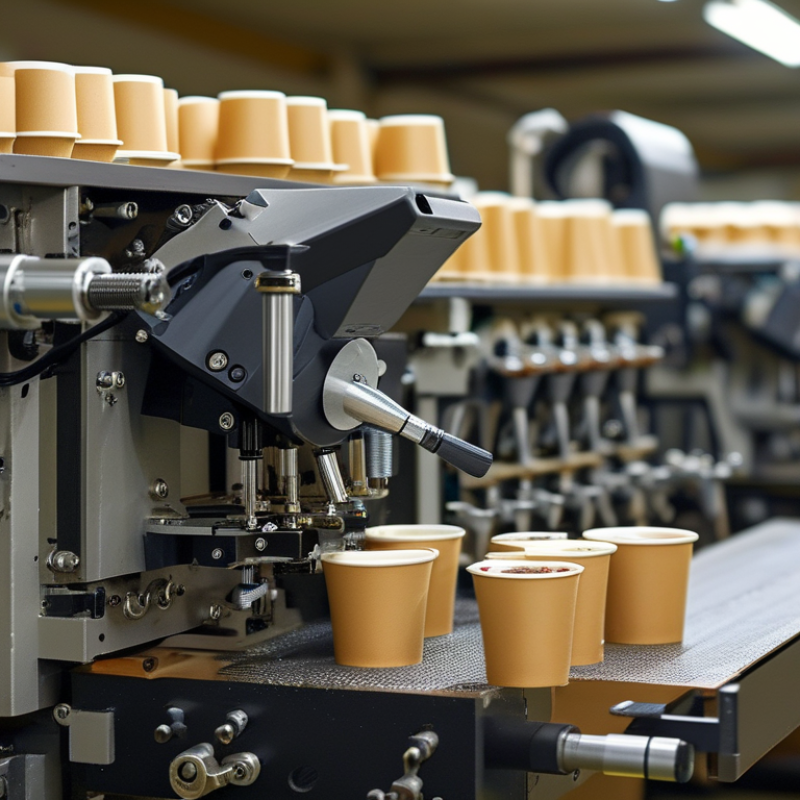
Overview of Paper Cup Inspection Machines and Their Importance
Paper cup inspection machines play a crucial role in maintaining quality standards in the beverage industry. As per market research, the global paper cup market is projected to reach USD 15 billion by 2027. Ensuring that each cup meets safety and quality requirements is essential. Defective products can lead to health concerns for consumers and financial losses for manufacturers. Hence, investing in effective inspection technologies has become paramount.
These machines utilize various technologies, such as camera systems and sensors, to detect defects in real-time. They can identify issues like deformations, improper printing, and material inconsistencies. This level of automation enhances accuracy and reduces human error. Industry reports suggest that effective inspections can reduce production waste by up to 20%. This statistic highlights the need for reliable inspection machines.
Despite advancements, challenges remain. Many manufacturers still rely on manual inspection methods. This can lead to overlooked defects and product recalls, which may damage brand reputation. Continuous innovation in inspection technology can address these concerns. However, some companies may hesitate to transition due to costs. These issues warrant further examination as the demand for high-quality paper cups continues to grow globally.
Top 10 Paper Cup Inspection Machines - Performance Comparison
Key Features to Consider When Choosing Paper Cup Inspection Machines
When selecting paper cup inspection machines, key features play a crucial role. First, consider the accuracy of detection. A reliable machine should identify defects like holes, wrinkles, or uneven edges. High-resolution cameras can enhance this ability by providing clear images of each cup. Speed is also essential; the inspection process should not slow down production.
Another important aspect is the ease of use. Operators should quickly learn how to run the machine with minimal training. Intuitive interfaces and straightforward controls simplify operation. User-friendly software for data analysis can also be a major plus. It allows manufacturers to track quality trends over time.
Maintenance requirements are worth noting. Frequent breakdowns can disrupt production. Machines should be designed for easy access to parts needing service. Additionally, comprehensive support from the manufacturer can alleviate concerns about reliability. Regular updates and quick responses to issues enhance trust in the machine's performance. Choosing a machine that balances these features can significantly improve production quality while minimizing downtime.
Top 10 Paper Cup Inspection Machines for Global Buyers
| Machine Model | Inspection Type | Speed (cups/min) | Accuracy (%) | Features |
| Model A | Visual Inspection | 300 | 99.5 | Automatic alignment, real-time monitoring |
| Model B | Dimensional Inspection | 250 | 99.0 | Laser measurement, data logging |
| Model C | Leakage Testing | 200 | 98.7 | High precision sensors, compact design |
| Model D | Color Inspection | 350 | 99.2 | Advanced vision system, user-friendly interface |
| Model E | Weight Inspection | 220 | 99.5 | Dynamic weighing, automatic rejection |
| Model F | Surface Quality | 280 | 99.3 | Non-contact scanning, software integration |
| Model G | Structural Integrity | 180 | 98.5 | Robust design, multiple tests |
| Model H | Overall Quality | 150 | 99.1 | Comprehensive evaluation, user settings |
| Model I | Hygiene Inspection | 230 | 99.4 | Advanced sensors, cleanroom compatible |
| Model J | Final Product Review | 160 | 99.6 | All-in-one solution, operator training |
Top Manufacturers of Paper Cup Inspection Machines Worldwide
In the paper cup manufacturing industry, inspection machines play a crucial role. These machines ensure quality control at every stage. Accurate inspection helps maintain product consistency. Key features often include automated sorting and defect detection capabilities.
Top manufacturers have advanced their technologies significantly. They focus on enhancing accuracy and speed. Many rely on AI to improve decision-making during inspections. However, not all machines are equally reliable or user-friendly. Some may have steep learning curves for operators. This can hinder efficiency in production lines.
Buyers should consider factors such as ease of maintenance and operational costs. It’s vital to choose machines that fit specific production needs. Some machines might require regular updates to software, which can add to long-term expenses. So, assessing overall usability and support is essential for smooth operations.
Comparative Analysis of Leading Paper Cup Inspection Machines
When exploring the realm of paper cup inspection machines, a comparative analysis reveals distinct advantages among various models. Buyers must consider features such as automation level, inspection accuracy, and operational efficiency. Some machines excel in speed, capable of inspecting up to 600 cups per minute. This high throughput is essential for large-scale production, but it might compromise accuracy if not calibrated properly.
Different machines offer unique inspection methods. Some use advanced vision systems, while others rely on mechanical sensors. The effectiveness of these methods varies. For instance, vision systems can identify minor defects, ensuring higher quality. However, they may struggle with lighting conditions, leading to inconsistent results. In contrast, mechanical sensors provide reliability but may miss subtle flaws.
Maintenance and ease of use are crucial factors as well. Machines with user-friendly interfaces require less training, saving time and resources. Conversely, intricate systems may demand specialized skills for operation and upkeep, which could pose challenges. Understanding these nuances helps buyers make informed decisions tailored to their production needs.
Future Trends in Paper Cup Inspection Technology and Innovations
As the paper cup industry evolves, inspection technology is advancing rapidly. Machines now prioritize precision. High-resolution cameras enhance defect detection. This minimizes human error and increases production efficiency. Innovative algorithms analyze cup integrity in real-time. Data collection is crucial for understanding trends in quality control.
Future trends indicate a shift towards automation. Many manufacturers are integrating AI to streamline processes. This allows for quicker adjustments during production. However, reliance on AI comes with challenges. It's essential to ensure machines learn accurately without misclassifying defects. Continuous training of machine learning models is vital for maintaining reliability.
Additionally, sustainability plays a significant role in inspection technology. Eco-friendly materials are gaining traction, which could complicate the inspection process. Machines must adapt to different material properties while ensuring quality. The balance between innovation and tradition remains a focal point for industry leaders. They must address the evolving demands without sacrificing quality or efficiency.


