Get an instant quote
Get in touch Listen to our podcast

Blog

Top 10 Insulated Panels for Global Buyers in 2026?

As global demand for efficient construction materials rises, insulated panels emerge as a key player. These innovative solutions offer energy savings and improved insulation. In 2026, buyers will seek versatile insulated panels that address diverse industry needs.

The market will witness a strong focus on sustainability. Eco-friendly materials and energy-efficient designs are critical in modern construction. Buyers will also evaluate the durability and cost-effectiveness of insulated panels. Innovation in this field can lead to significant long-term benefits.

However, not all insulated panels meet high standards. Some may lack proper insulation properties or reliability. It is crucial for global buyers to scrutinize their choices carefully. Understanding the differences among products can impact building performance. Being informed is essential to make wise decisions in this evolving market.
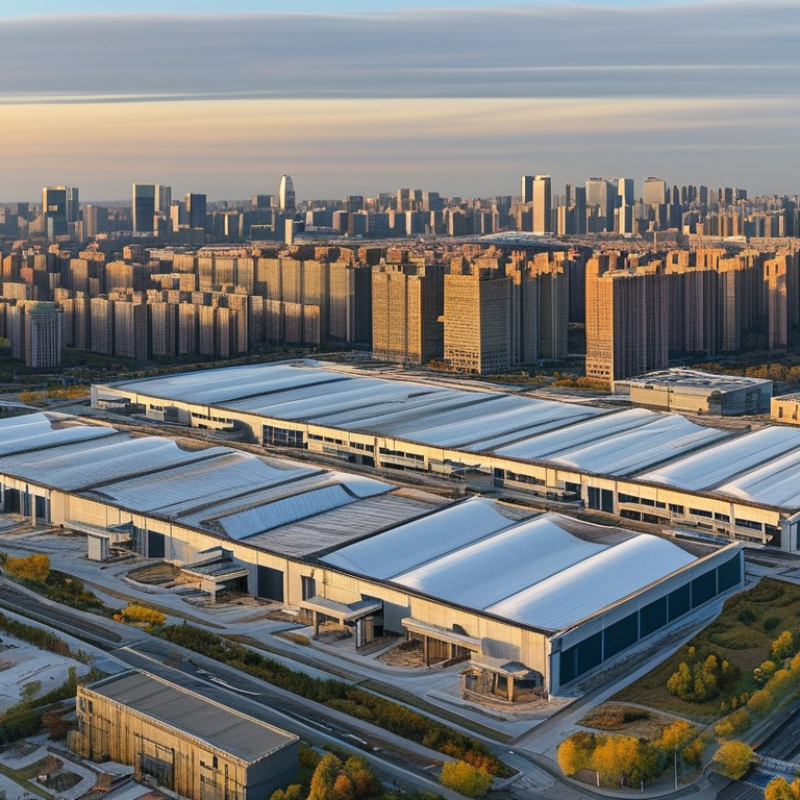
Top 10 Insulated Panels for Global Buyers in 2026?

Overview of Insulated Panels and Their Importance for Global Markets

Insulated panels play a crucial role in construction and building sectors worldwide. They provide thermal efficiency, energy savings, and structural integrity. According to a report by Research and Markets, the global insulated panel market is projected to reach $25 billion by 2026. This growth is driven by increased demand in the residential and commercial sectors.

These panels offer significant insulation properties. They can reduce energy consumption by up to 30%. As energy costs rise, more builders recognize the importance of using insulated panels. They are essential for enhancing building performance. However, the industry faces challenges related to sourcing sustainable materials. The need for innovation in eco-friendly solutions cannot be overlooked.

Market trends also indicate a shift towards prefabrication. This method enhances efficiency and reduces construction time. Companies that adapt to this trend will likely gain a significant market advantage. Additionally, the importance of fire safety and durability brings complexity to product design. Achieving compliance with standards remains an ongoing endeavor for many manufacturers.

Key Trends Influencing the Insulated Panel Industry in 2026

The insulated panel industry is on the brink of transformation as we approach 2026. Sustainability is a driving force. Many companies are adopting eco-friendly materials. This trend reflects a growing consumer demand for greener building solutions. As a result, solar-reflective panels are gaining traction. They can reduce energy consumption significantly.

In addition, technological advancements are shaping panel designs. Innovative insulation materials improve thermal efficiency. Enhanced durability is another focus. The rise of smart buildings is influencing design requirements. Future panels may integrate smart technology for real-time energy tracking. This could lead to better building performance.

However, challenges remain. The cost of development can be high. Not all manufacturers embrace these trends equally. Adaptation requires investment, which can deter smaller companies. Market competition might also affect pricing, complicating consumer choices. As these dynamics unfold, the industry must navigate through uncertainties while striving for innovation and quality.

Top 10 Insulated Panels: Features and Benefits for Buyers

Insulated panels play a crucial role in modern construction. They provide excellent thermal efficiency, crucial for energy savings. Many buyers seek these panels for residential and commercial buildings. A well-insulated structure keeps temperatures stable, enhancing comfort and reducing energy costs.

Moreover, these panels are lightweight yet strong. Their durability is a significant benefit, ensuring a long lifespan even in harsh conditions. Easy installation is another attractive feature. Many insulated panels can be fitted quickly on-site, saving time and labor costs. However, some buyers find it challenging to choose the right material and thickness. This decision can impact energy efficiency and cost.

The aesthetic appeal of insulated panels shouldn't be overlooked. They come in various finishes and colors. Ensuring materials match the design vision enhances the overall look of a building. Yet, the sourcing process can be overwhelming. Buyers often consider multiple factors, such as environmental impact and insulation performance. Balancing all these aspects requires careful consideration and research. Reflecting on these details can lead to informed decisions, crucial for successful projects.

Regional Analysis: Leading Markets for Insulated Panels in 2026

In 2026, the demand for insulated panels is expected to rise significantly. Key regions are emerging as leaders in this market. North America and Europe are likely to remain at the forefront. Their investment in energy-efficient construction technologies drives this trend. Asia-Pacific markets, particularly China and India, are experiencing rapid growth due to urbanization.

Tips: Focus on local regulations when selecting insulated panels. Compliance can enhance your project's success and sustainability.

Emerging markets in Latin America and Africa present unique opportunities. They face challenges like limited infrastructure. Yet, the potential for innovation is immense. Adapting to regional needs can make or break a project.

Tips: Collaborate with local experts for insights. Understanding cultural factors is crucial for market entry. Be prepared to adjust your strategies based on local conditions.

Sourcing Strategies for Global Buyers: Tips for Selecting Insulated Panels

When sourcing insulated panels, it's crucial to consider various factors to ensure quality and sustainability. Buyers should research the material types available. Some offer better thermal performance than others. This directly influences energy efficiency in buildings. Using eco-friendly materials can also align with sustainability goals.

Tips for selecting insulated panels include checking certifications. These may indicate compliance with industry standards. Look for panels that enhance energy savings and meet local building codes. Getting samples is a wise move. It allows you to assess texture, strength, and insulation effectiveness.

Don't ignore supplier reputation. A reliable supplier often translates to better product quality and customer service. Conduct online reviews or seek industry recommendations. Consider suppliers’ track records, as longevity can reflect stability. Understanding the warranty offered is also essential. It can safeguard against defects in materials or workmanship over time.

CNC machining CAD export file formats

Put your parts in production today

Get an instant quote