Top Forced Evaporator Solutions for Global Buyers in 2026
In 2026, the global demand for Forced Evaporator solutions is expected to rise significantly. Industry expert Dr. Emily Carter notes, "The effectiveness of Forced Evaporators will shape production efficiencies." With growing pressure for sustainable practices, businesses are seeking innovative solutions.
Forced Evaporators are essential in various applications, from food processing to wastewater treatment. Their ability to concentrate solutions while minimizing energy use sets them apart. However, challenges remain. Many companies struggle with choosing the right technology. Misalignment with specific operational needs often leads to inefficiencies.
Investing in the right Forced Evaporator can enhance productivity, but decisions require careful consideration. In this fast-evolving market, understanding current trends and technologies is crucial. As we explore top solutions, it’s also essential to reflect on the balance between efficiency and environmental responsibility.
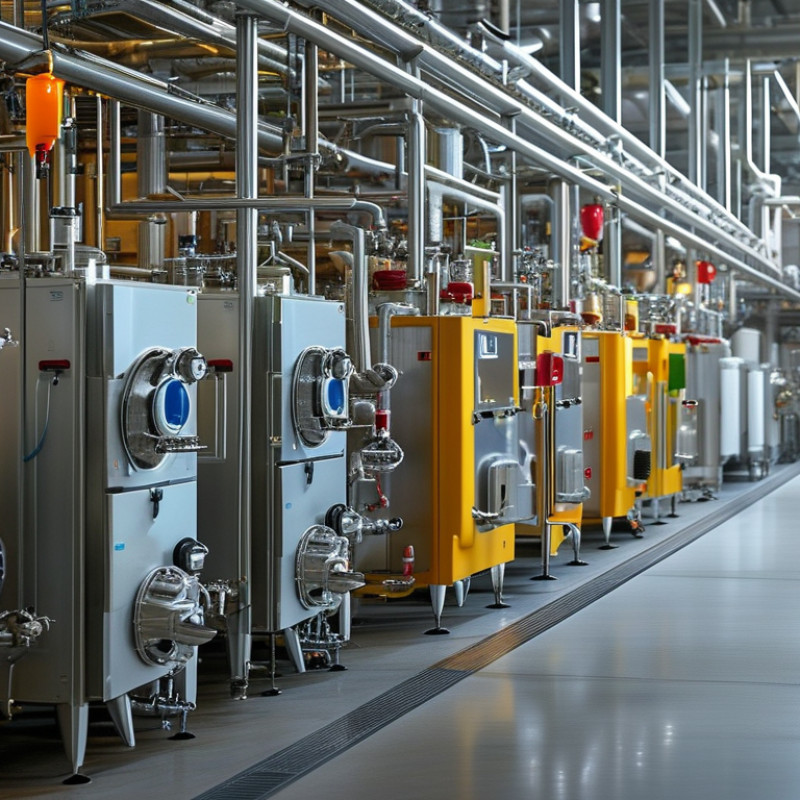
Emerging Trends in Forced Evaporator Technologies for 2026
In 2026, forced evaporator technologies are set to undergo significant advancements. These innovations will enhance efficiency and sustainability in many industries. New materials will improve heat transfer efficiency. This results in better performance and energy savings. Users can expect a broader range of applications, from desalination to food processing.
As industries adopt these technologies, it's crucial to consider operational costs. While modern systems may have a higher upfront cost, the long-term savings through reduced energy consumption can be significant. Finding the right balance between cost and efficiency is essential.
**Tip:** Monitor industry advancements regularly. Staying informed can help in making better investment decisions. Also, evaluate the adaptability of these systems to your specific needs. Conduct thorough assessments, as what works for one sector may not suit another. Understanding your operational context can lead to more informed choices.
Key Factors Influencing Global Demand for Forced Evaporators
The global demand for forced evaporators is influenced by several key factors in 2026. Firstly, the rise in industries requiring efficient water treatment processes is significant. According to a recent industry report, the water treatment segment is expected to grow at a CAGR of 6.5% from 2024 to 2028. This growth correlates directly with increasing regulations aimed at environmental protection.
Additionally, the food and beverage industry plays a crucial role in driving demand. Forced evaporators are essential for concentrating liquids, preserving flavors, and enhancing shelf life. Recent studies show that the global food processing market is projected to exceed $4 trillion by 2026. Consequently, this growth is likely to push for advanced evaporator solutions.
Tip: When selecting evaporators, consider energy efficiency. High-efficiency models not only reduce operating costs but also lower environmental impact.
Logistics also affect the forced evaporator market. The complexity of supply chains can create delays. These disruptions lead to increased costs and uncertainties for manufacturers. Companies must think critically about their sourcing strategies.
Tip: Regularly assess supplier reliability and geographical risks. Diversifying suppliers can mitigate potential disruptions in your operations.
Top Manufacturers and Their Innovative Solutions in 2026
In 2026, the demand for forced evaporators is expected to rise globally. Various manufacturers are innovating with advanced technology. They focus on efficiency and sustainability. This approach decreases energy consumption while maximizing output. Companies are also investing in user-friendly designs.
Tips: Consider the environmental impact of your projects. Evaluating energy needs is crucial for sustainable solutions. Engage with manufacturers who prioritize green technologies.
Some manufacturers have embraced automation. This change enhances operational performance. However, the transition may encounter challenges, such as initial costs and training needs. Adapting to new technology requires patience and time. Continuous improvement remains vital in this evolving market.
Tips: Regularly assess your current systems. Keeping up with industry trends can prevent obsolescence. It’s beneficial to gather feedback from users to refine solutions further.
Sustainability Practices in Forced Evaporation Processes
Sustainability is becoming vital in forced evaporation processes. This technology is essential for efficient water and resource management. As industries face increasing pressure to reduce their environmental footprint, innovative approaches are emerging.
Using renewable energy sources can enhance sustainability. Solar and wind energy are promising options. However, the initial investment can be challenging. Companies must weigh cost against long-term benefits.
Tip: Evaluate your energy sources regularly. Seek opportunities for improvement. Make small changes, like energy audits.
Water recycling is another key aspect. Closed-loop systems can significantly reduce water waste. They allow for the reuse of condensed water. However, implementing these systems often requires expertise and careful planning.
Tip: Work with specialists to design efficient systems. This step is crucial for sustainable practices. Don't overlook maintenance. Regular checks ensure optimal performance.
Sustainability in forced evaporation is not a straightforward path. It demands ongoing commitment and adaptation. Balancing efficiency with eco-friendly practices is essential for future success.
Market Insights: Regional Analysis of Forced Evaporator Solutions
The forced evaporator market is evolving rapidly across various regions, driven by industrialization and technological advancements. In North America, the demand for these solutions is expected to grow at a CAGR of 6.5%, as reported by industry analysts. This growth is fueled by increasing energy efficiency regulations and a shift towards sustainable practices. Industries like food and beverage, pharmaceuticals, and wastewater treatment are significant contributors to this trend.
In Asia-Pacific, the situation is even more dynamic. The region is projected to see a surge in forced evaporator installations, especially in China and India. Demand for energy-efficient systems is notable. Reports indicate a 10% year-over-year increase in investments that focus on advanced evaporation technologies. However, challenges remain. Quality control and technology adoption differ significantly across countries. These variations may impact overall market stability.
European markets also reflect mixed dynamics. Germany leads with significant investments in innovative technologies. However, other countries may struggle with older infrastructure and hesitant adoption rates. The regional disparities underline the need for tailored solutions. Buyers should consider local regulations and market maturity when selecting forced evaporator solutions.
Top Forced Evaporator Solutions for Global Buyers in 2026
This chart illustrates the projected market share of different types of forced evaporator solutions in various regions for the year 2026. The data reflects the increasing demand and market segmentation across the globe.


