In today's diverse electrical landscape, Circuit Breakers Applications play a vital role across various industries. These devices ensure safety and reliability in electrical systems. Their ability to prevent overloads and short circuits makes them essential in residential, commercial, and industrial environments.
Global buyers must understand the specific applications of circuit breakers. From protecting sensitive electronic equipment to managing power distribution, their versatility is evident. However, selecting the right type is crucial. Different applications demand varying features, such as response time and capacity.
As the market evolves, ongoing education is necessary. Buyers should reflect on their unique needs. Failing to do so may lead to improper selections, risking safety and system efficiency. Understanding Circuit Breakers Applications is essential for making informed decisions in a complex global market.
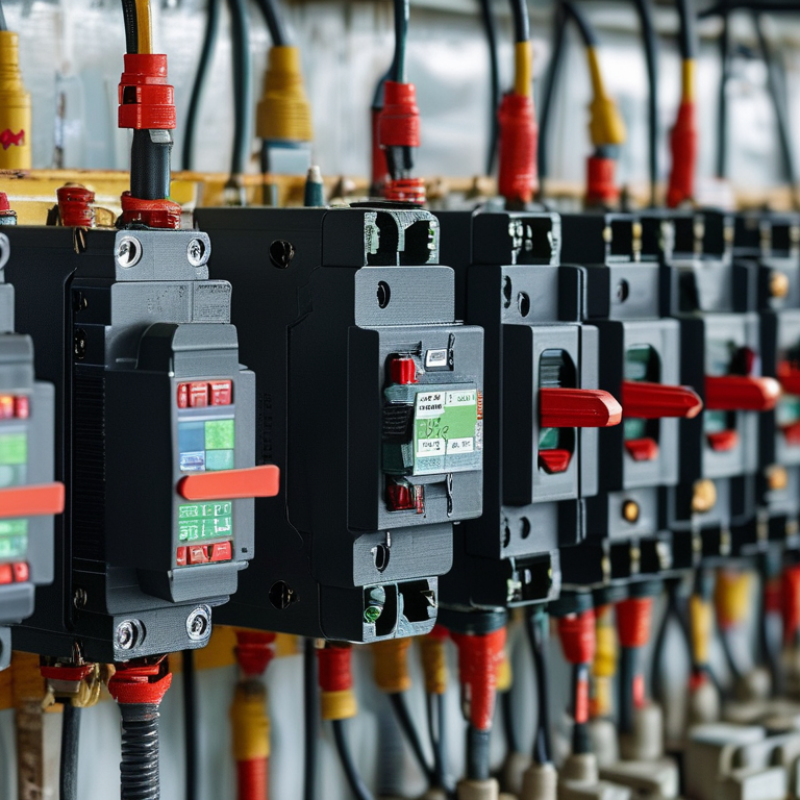
In residential settings, circuit breakers play a vital role in ensuring electrical safety. According to the International Electrotechnical Commission (IEC), homes equipped with circuit breakers are 37% less likely to experience electrical fires. These devices prevent overloads and short circuits, crucial for protecting appliances and wiring systems.
Modern circuit breakers are designed to be user-friendly. Many feature reset options, allowing homeowners to quickly address minor issues without professional help. However, a common oversight is neglecting regular testing. Homeowners should check their breakers monthly to ensure they function properly.
Tips: Regular inspections are essential. Replace any breaker that trips frequently. Consider installing surge protectors alongside breakers to safeguard electronics. Keep an eye on your breaker panel for signs of wear. Signs include discoloration or hot spots. Address these issues promptly to maintain safety.
Industrial circuit breakers play a crucial role in manufacturing facilities. They protect electrical circuits from overload and short circuits. These devices are essential for maintaining safety and operational efficiency. Recent industry reports indicate that around 70% of manufacturing failures are linked to electrical issues. This highlights the importance of dependable circuit breaker systems.
Advanced circuit breakers now come with smart technology. They can monitor electrical loads in real-time. This feature allows for early detection of potential failures. Data from the International Electrotechnical Commission shows that smart breakers can reduce downtime by 15-20%. However, many facilities still rely on outdated models. This can lead to inefficient operations and higher maintenance costs.
Training staff on circuit breaker maintenance remains a challenge. A 2022 survey revealed that only 45% of manufacturing units conduct regular training. Lack of knowledge increases the risk of improper use. Continuous education is vital for optimal performance. Understanding the limitations and capabilities of circuit breakers is crucial for facility managers.
Circuit breakers are vital in commercial settings. They protect electrical systems from overloads and faults. Their role is crucial in maintaining safety and preventing damage. In office buildings, circuit breakers ensure that electrical equipment runs smoothly. They prevent outages and reduce operational disruptions.
Tip: Regular maintenance is essential. Inspect circuit breakers routinely to identify potential issues. This proactive approach can extend their lifespan and enhance reliability.
In manufacturing units, circuit breakers are equally important. They safeguard machinery and prevent costly breakdowns. A malfunctioning breaker can lead to production delays and increase costs. Properly functioning circuit breakers contribute to a safer working environment. They ensure compliance with safety regulations.
Tip: Consider upgrading older breakers. Modern circuit breakers offer advanced features that improve safety. Evaluate your business needs to make informed choices. Adopting new technology can enhance efficiency. Reflect on your current system and identify areas for improvement.
The circuit breaker market is evolving rapidly. Emerging technologies are reshaping the industry landscape. According to a recent market report, smart circuit breakers are projected to hold 30% of the market share by 2026. These devices enhance safety and improve energy efficiency. They integrate IoT capabilities, allowing real-time monitoring and control.
Another trend is the use of eco-friendly materials. With a growing emphasis on sustainability, manufacturers are exploring alternatives to traditional materials. This shift is driven by regulations and consumer demand for greener products. A 2022 survey revealed that 70% of buyers prioritize environmental impact in their purchasing decisions. However, achieving these goals requires significant investment and innovation.
Digitalization plays a crucial role too. Advanced analytics and machine learning are utilized to predict failures. By analyzing usage patterns, manufacturers can improve product design. Reports indicate that predictive maintenance can reduce downtime by 20%. It’s important to acknowledge challenges, such as data security and integration issues, as these innovations unfold. The journey towards advanced circuit breaker technology is complex, yet promising.
| Application Area | Current Trends | Key Features | Regional Market Demand |
|---|---|---|---|
| Residential Buildings | Smart Home Integration | Remote Monitoring, IoT Compatibility | North America, Europe |
| Commercial Buildings | Energy Management Systems | Energy Saving, Demand Response | Asia-Pacific, North America |
| Industrial Automation | AI & Automation Technologies | Predictive Maintenance, High Speed | Europe, Asia-Pacific |
| Renewable Energy Systems | Integration with Solar/Wind | Grid Stability, Fast Response | Global, Increasing in Developing Regions |
| Transportation | Electrification and Hybrid Systems | Compact Design, Lightweight | North America, Europe, Asia |
In the world of circuit breaker applications, regulatory standards play a vital role. These standards ensure safety and reliability. Buyers must navigate various regulations that can differ significantly from one region to another. Compliance with these standards not only meets legal requirements but also supports operational efficiency in electrical systems.
Understanding the basics of the relevant standards is crucial. Each country may enforce different guidelines. Internationally recognized standards often provide a benchmark. Ignoring local regulations can lead to costly fines and unsafe practices.
Tips: Always consult with experts when seeking clarification on compliance. Regular training can help businesses stay updated on changes. Understanding nuances in standards can prevent misunderstandings and enhance product reliability.
Incorporating regulatory requirements into product design is essential. However, evolving technology often outpaces regulations. Manufacturers must be proactive in aligning their efforts with emerging standards. Staying informed will aid in adapting to new developments as they arise.
| Cookie | Duration | Description |
|---|---|---|
| cookielawinfo-checkbox-analytics | 11 months | This cookie is set by GDPR Cookie Consent plugin. The cookie is used to store the user consent for the cookies in the category "Analytics". |
| cookielawinfo-checkbox-functional | 11 months | The cookie is set by GDPR cookie consent to record the user consent for the cookies in the category "Functional". |
| cookielawinfo-checkbox-necessary | 11 months | This cookie is set by GDPR Cookie Consent plugin. The cookies is used to store the user consent for the cookies in the category "Necessary". |
| cookielawinfo-checkbox-others | 11 months | This cookie is set by GDPR Cookie Consent plugin. The cookie is used to store the user consent for the cookies in the category "Other. |
| cookielawinfo-checkbox-performance | 11 months | This cookie is set by GDPR Cookie Consent plugin. The cookie is used to store the user consent for the cookies in the category "Performance". |
| viewed_cookie_policy | 11 months | The cookie is set by the GDPR Cookie Consent plugin and is used to store whether or not user has consented to the use of cookies. It does not store any personal data. |