Get an instant quote
Get in touch Listen to our podcast

Blog

China Top Flywheel Housing Manufacturers for Global Buyers

China has become a major sourcing destination for precision powertrain components. Its Flywheel Housing manufacturers serve truck, bus, agricultural, construction, and industrial engine markets worldwide. This growth reflects more than competitive pricing. It also involves casting control, CNC machining, heat management, dimensional inspection, and export experience.

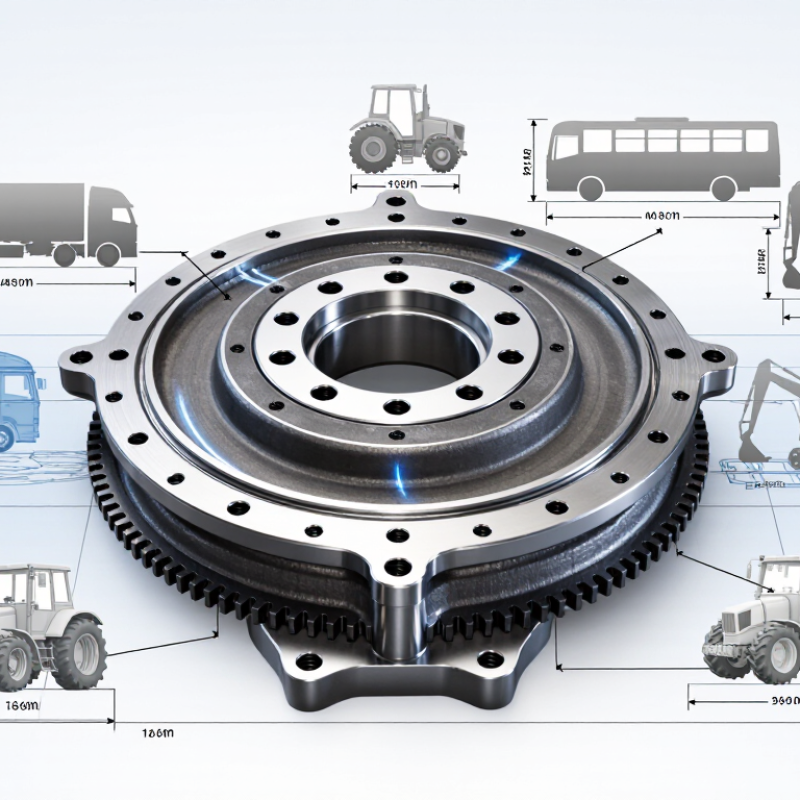
A Flywheel Housing connects the engine block, clutch system, and transmission. Its accuracy affects alignment, vibration, noise, and service life. Even a small mounting error can create visible problems during installation. Tom Denton, a respected automotive technology author, explains that the flywheel helps smooth engine torque and supports clutch operation. That practical view also applies to housing selection. Buyers should examine material grades, wall thickness, bolt-hole accuracy, machining tolerances, and test documentation.

Details matter.

Leading Chinese suppliers commonly offer gray iron, ductile iron, and aluminum alloy options. Some operate automated molding lines. Others rely on experienced technicians and flexible low-volume production. Both approaches can work, but verification remains essential. Factory audits, sample inspections, 3D measurement reports, and traceable quality records provide stronger evidence than polished brochures. Communication can still be imperfect, especially across technical languages and time zones. Buyers should confirm drawings, datum points, packaging requirements, and acceptance standards in writing. This guide reviews China’s leading Flywheel Housing manufacturers for global buyers, while recognizing one uncomfortable truth: the lowest quotation is rarely the lowest total cost. Reliable sourcing requires patience, engineering judgment, and honest comparison.
China Top Flywheel Housing Manufacturers for Global Buyers

What Is a Flywheel Housing and Why Does It Matter?

A flywheel housing is the structural casing around the flywheel and clutch area of an engine. It connects the engine to the transmission and helps keep rotating parts enclosed and aligned. Think of it as a rigid bridge between two major assemblies. Its mounting face, bolt pattern, and internal clearance must match the intended engine and gearbox.

Why does this part matter? Poor alignment can contribute to vibration, uneven clutch wear, or difficult installation. A housing that is cracked, distorted, or machined outside tolerance may also affect how the transmission sits. Small details count. Buyers should check material, dimensions, mounting points, and machining quality against the application’s drawings. A clean surface is useful, but it cannot prove accuracy by itself.

For global buyers, clear technical documentation reduces avoidable fitment problems. Ask for dimensional inspection records and confirm how critical faces are measured. Also consider operating conditions, such as heat, vibration, and service access. Not every application needs the same design. A heavier housing may offer strength, but it can add weight and complicate handling. There is no shortcut here; specifications should be verified before production, and again when parts arrive. Even careful checks can miss a detail, so practical trial fitting remains valuable.

How Chinese Flywheel Housing Manufacturers Produce Reliable Components

China Top Flywheel Housing Manufacturers for Global Buyers

Reliable flywheel housings begin with controlled material selection and stable casting practice. Chinese manufacturers often use cast iron or aluminum alloys, depending on engine load and weight requirements. Engineers review drawings, mounting points, wall thickness, and heat exposure before production. Casting temperature, mold condition, and cooling speed receive close attention. Small details matter.

After casting, workers remove flash and inspect surfaces for cracks, sand holes, and distortion. CNC machining creates accurate bore diameters and mounting faces. Critical dimensions are checked with coordinate measuring machines, gauges, and calibrated tools. Some factories perform pressure or leak testing when the housing design requires it. Inspection records connect each batch with its material and process data.

In factory audits, I have seen how a clean surface can hide an alignment problem. That weakness may appear only after installation. Better manufacturers use sample checks during machining, not only final inspection. They also protect finished housings with suitable packaging, preventing impact damage and corrosion during transport. Yet no process is perfect. Buyers should request drawings, tolerance data, inspection reports, and sample approval before placing large orders. Clear feedback helps the production team correct recurring defects instead of repeating them.

China Top Flywheel Housing Manufacturers for Global Buyers - How Chinese Flywheel Housing Manufacturers Produce Reliable Components
Production Area Common Materials or Methods What Is Verified How It Supports Reliability
Material selection Cast iron and aluminum alloys are commonly used; the choice depends on the vehicle design, load requirements, weight targets, and operating conditions. Material grade, incoming material documentation, and specified chemical or mechanical properties. Confirms that the material matches the component specification and intended service conditions.
Casting and forming Sand casting is common for many iron housings. Aluminum housings may be produced using processes such as sand casting or permanent-mold casting, depending on design and production needs. Part geometry, wall sections, casting condition, and visible surface defects against the approved drawing and inspection plan. Helps ensure the housing has the required shape and provides a sound base for machining.
Cleaning and casting inspection Castings are cleaned and prepared before machining. Inspection methods can include visual checks and, where specified, suitable non-destructive testing. Surface condition and specified casting features; the inspection method and acceptance criteria are set by the part specification. Identifies relevant casting defects before further processing or assembly.
Precision machining CNC machining is commonly used for mounting faces, locating features, bolt holes, and other interfaces. Critical dimensions, hole positions, face flatness, and alignment features are measured against the engineering drawing. Accurate interfaces help the housing mate correctly with the engine and transmission assembly.
Dimensional inspection Coordinate measuring machines, gauges, and other suitable calibrated measuring equipment may be used, depending on the feature and inspection plan. Recorded measurements for designated critical-to-quality dimensions and features. Provides evidence that machined components conform to drawing requirements.
Surface and cleanliness checks Machined surfaces are checked for specified finish and cleanliness; deburring and washing may be included in the production route. Burrs, chips, contamination, and surface finish where these are controlled by the product specification. Reduces the risk of assembly interference, contamination, or damage to mating components.
Process control Documented work instructions, equipment maintenance, operator checks, and inspection records are commonly used in controlled production. Process records, measurement results, nonconformance handling, and traceability as required by the customer or quality system. Supports repeatable production and helps investigate quality issues.
Final release Finished parts are reviewed against the applicable drawing, purchase requirements, and inspection plan before shipment. Specified dimensions, appearance, identification, packaging, and required documentation. Helps ensure that delivered components meet the agreed acceptance requirements and arrive protected.
Typical manufacturing practices are shown for general reference. Material grades, production routes, inspection methods, and acceptance limits vary by design, application, and customer specification.

Which Standards and Materials Define Quality Flywheel Housings?

A quality flywheel housing starts with fit, strength, and repeatable inspection. SAE J617 defines standard bellhousing dimensions, helping buyers check alignment and interchangeability. For cast iron, ASTM A48/A48M Class 35 specifies a minimum tensile strength of 35,000 psi. That figure is a material classification, not proof that a finished housing will survive every vibration or impact. Wall thickness, casting defects, and machining accuracy still matter.

Material choice depends on the duty cycle. Gray cast iron offers damping and stiffness, useful near a vibrating engine, but adds weight. Aluminum castings reduce mass, yet require careful checks for porosity and local cracking around bolt bosses. Ask suppliers for material certificates, dimensional inspection records, and non-destructive test results where the application warrants them. A neat surface can hide a poor internal casting. It happens.

Tips: Compare the housing’s pilot bore and mounting face measurements with the engine and transmission drawings. Request the inspection method and acceptance limits, not just a “passed” label. For heavy-duty use, review the applicable SAE J617 configuration and confirm whether the housing has been tested under the expected torque and vibration conditions. Standards guide selection; they do not replace application-specific validation.

How to Evaluate China’s Top Flywheel Housing Manufacturers

China’s top flywheel housing manufacturers should be evaluated beyond catalogue photos and low quotations. Check whether the factory understands your engine, transmission, mounting pattern, and operating environment. Ask for dimensional drawings, material certificates, and production records before approving a sample.

Walk through the machining area if possible. Observe how castings are inspected for porosity, distortion, and uneven wall thickness. Reliable manufacturers usually control critical surfaces with coordinate measuring machines and documented inspection plans. Ask how they manage bolt-hole location, concentricity, and flange flatness. Small errors can create vibration, oil leakage, or difficult assembly.

Request a sample made under normal production conditions, not a specially prepared piece. Review the inspection report against your own tolerances. Confirm heat-treatment controls, packaging methods, replacement procedures, and traceability from raw casting to shipment. Communication matters too. A capable engineering team should explain a design conflict clearly, rather than promise everything immediately. Be careful with polished answers. I have seen supplier comparisons focus heavily on price while ignoring tooling ownership and future revision control. That approach can become expensive. Also, factory capacity figures may describe total output, not available capacity for your project. Clarify lead times in writing, including tooling, sampling, correction, and final inspection stages. A short video call cannot replace evidence, but it can reveal whether technical staff understand the questions.

How to Evaluate China’s Top Flywheel Housing Manufacturers

This buyer evaluation framework assigns practical weighting to the main qualification areas for flywheel housing suppliers. Buyers should verify each area through drawings, inspection reports, material certificates, process records, PPAP documentation, testing evidence, and export documentation. The percentages represent evaluation priorities rather than the performance of any specific company or brand.

What Global Buyers Should Know About Sourcing and Importing

For global buyers, sourcing a flywheel housing starts with fit, not price. Send suppliers a controlled drawing, material grade, critical dimensions, and machining tolerances. Ask how they inspect bore alignment and mounting faces. A housing can look sound yet cause costly assembly delays if these surfaces drift. Request inspection records from a production batch, not only a polished sample.

Shipping deserves equal attention. UNCTAD’s Review of Maritime Transport 2024 reported that maritime trade grew 2.4% in 2023 and forecast 2% growth for 2024, amid continuing route and cost uncertainty. These figures are not a quote for your shipment. They do show why buyers should confirm lead times, packing dimensions, port options, and freight terms before placing an order. Clarify who handles export documents and who pays each transport charge. Small details matter.

Before shipment, agree on protective packaging, labeling, and a written process for handling damaged or nonconforming parts. Use clear product descriptions and verify tariff classification with a qualified customs professional; classifications can vary by product details and destination. Keep drawings, invoices, test reports, and shipment records together. It sounds basic. Yet paperwork is often where a smooth order gets messy. Leave room for review: supplier declarations and inspection results still need checking against your own specifications.

CNC machining CAD export file formats

Put your parts in production today

Get an instant quote