Top 10 Anti Corrosion Frp Profiles for Global Buyers?
In the ever-evolving construction and manufacturing sectors, the demand for durable materials is paramount. Anti-Corrosion FRP Profiles have gained significant attention from global buyers. These profiles offer unparalleled resistance to corrosive environments, making them essential for various industries. Renowned expert Dr. Emily Carter states, "Adopting Anti-Corrosion FRP Profiles can significantly enhance the longevity of infrastructure."
The unique properties of these profiles stem from their composite materials, which are resistant to chemicals, moisture, and extreme weather. This durability translates into reduced maintenance costs and improved safety for structures. However, as the industry grows, it faces challenges. Not every supplier maintains consistent quality. Therefore, buyers must conduct thorough research.
Understanding the top options in the market is crucial. It leads to informed decisions that prevent costly mistakes. As reported by industry trends, many consumers still overlook the significance of quality assurance in Anti-Corrosion FRP Profiles. This article highlights the top 10 profiles available globally, ensuring buyers are well-equipped to navigate this essential market.
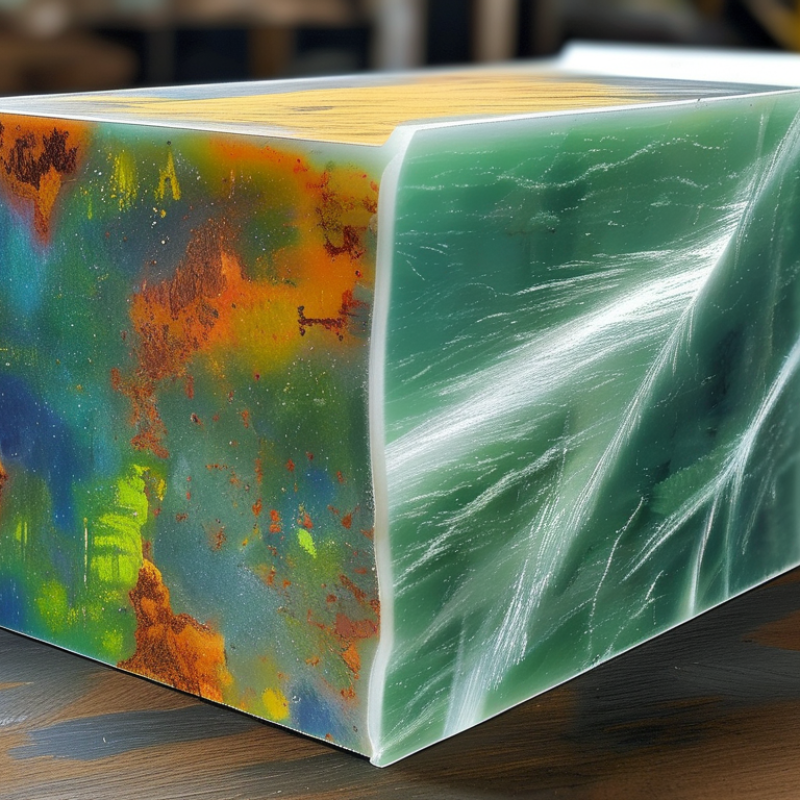
Overview of Corrosion in Industries and the Need for FRP Solutions
Corrosion remains a significant challenge in various industries, affecting equipment reliability and safety. The National Association of Corrosion Engineers estimates that corrosion costs the U.S. economy around $276 billion annually. This figure highlights the urgent need for effective anti-corrosion solutions across sectors such as oil and gas, marine, and construction.
Fiber-reinforced plastics (FRP) have emerged as a promising alternative to traditional materials. They offer exceptional resistance to corrosive environments, extending the lifespan of critical components. Reports indicate that FRP can reduce maintenance costs by nearly 50%, making it a smart investment. Industries that rely heavily on aqueous and chemical processes are increasingly integrating FRP to mitigate corrosion risks.
Each industry faces unique challenges related to corrosion. For instance, the oil and gas sector often deals with aggressive chemical exposure. Marine industries struggle with saltwater corrosion. These specific demands create opportunities for tailored FRP solutions. While many companies recognize the benefits, some may hesitate due to the initial investment required. A careful analysis is essential for making informed decisions that prioritize long-term savings and safety.
Benefits of Using FRP Profiles for Anti-Corrosion Applications
The use of Fiber Reinforced Polymer (FRP) profiles has surged in anti-corrosion applications due to their unique benefits. FRP materials are resistant to chemicals and moisture, making them ideal for harsh environments. A recent industry report indicates that the market for FRP is expected to reach $37.3 billion by 2026, growing at a yearly rate of 12%. This underscores the increasing recognition of its advantages.
When using FRP profiles, one notable benefit is their lightweight nature. This characteristic allows for easier handling and installation. Additionally, FRP composites do not corrode like traditional metals, significantly extending the lifespan of structures. For example, FRP can resist the effects of saltwater better than steel, which is crucial for marine applications. However, it’s important to consider the upfront costs, which can be higher than conventional materials.
Tip: Always assess the specific application needs. Different FRP formulations may be required based on environmental factors. Consider compatibility with existing systems to avoid hidden issues.
Another advantage is the reduced maintenance costs associated with FRP materials. With lower susceptibility to rust and degradation, facilities can save significantly over time. Data shows that maintenance can be cut by over 30% when switching to FRP. However, it’s essential to ensure proper installation to fully benefit from these advantages. Poor installation can lead to premature failure and negate any cost savings.
Tip: Collaborate with experienced professionals during installation. Their expertise can make a significant difference in the performance of the FRP profiles. Adapting to the specific conditions of your project enhances long-term effectiveness.
Top Materials Used in Manufacturing Anti-Corrosion FRP Profiles
Corrosion is a significant challenge for various industries globally. Anti-corrosion fiberglass reinforced plastic (FRP) profiles offer a robust solution. The materials used in manufacturing these profiles are critical to their effectiveness. Commonly, vinyl ester resins are favored for their superior corrosion resistance. They perform well in harsh environments. Additionally, epoxy resins provide excellent strength and durability, making them suitable for long-lasting applications.
Thermoplastic composites are gaining traction. They combine flexibility with corrosion resistance. According to recent industry reports, the global FRP market is expected to grow by 5.7% annually, driven by the increasing demand for lightweight and strong materials. It's crucial to ensure the right material choice based on application. Each material has its strengths and weaknesses, which can impact performance.
Tip: Always consult with material specialists when selecting FRP profiles. They can guide you on the best choices for specific conditions. Remember that not all profiles are suitable for every environment. Ensuring proper installation is just as vital as material selection. Over time, regular maintenance checks can prolong the lifespan of FRP solutions.
Key Features to Consider When Selecting FRP Profiles
When selecting anti-corrosion FRP profiles, consider several key features. First, the material's resistance to environmental degradation is crucial. Reports indicate that FRP can outperform traditional materials, lasting up to three times longer in corrosive environments. This longevity can significantly reduce maintenance costs and improve safety.
Another critical aspect is the tensile strength and flexibility of the profiles. High-quality FRP provides excellent strength-to-weight ratios, making it easier to install and handle. Analysis shows that specific FRP profiles can withstand extreme temperatures and physical stress, offering both durability and reliability. However, not all options provide optimal performance in every scenario.
Additionally, surface finish plays a vital role in anti-corrosion properties. A smooth surface can enhance protection against moisture and chemical exposure. It's essential to assess whether the chosen profile is coated or treated for added resilience. Investing time in understanding these characteristics can streamline your selection process. Ultimately, balancing performance with cost-effectiveness can lead to better long-term outcomes.
Market Trends and Future Outlook for Anti-Corrosion FRP Profiles
The market for anti-corrosion FRP (Fiber Reinforced Polymer) profiles is rapidly evolving. Industries are increasingly seeking durable materials that can withstand harsh environments. This trend is driven by the need for longer-lasting solutions in construction and infrastructure. Anti-corrosion properties are crucial, especially in marine, chemical, and wastewater applications.
Emerging technologies play a significant role in enhancing FRP profiles. Innovations are focused on improving strength and reducing weight. These advancements help manufacturers create more reliable products. Moreover, sustainability is becoming a key factor. Companies are exploring eco-friendly raw materials to meet growing environmental concerns. However, implementing such transformations can be challenging.
Diverse applications are seen across various sectors. Transportation, energy, and even sports rely on advanced FRP profiles. Each sector has unique requirements, making innovation necessary. Yet, some manufacturers struggle to keep pace with these demands. As the market grows, it is essential to stay informed about technological advancements and regulatory changes. Adapting to these shifts will determine success in the anti-corrosion FRP profile market.
Top 10 Anti Corrosion FRP Profiles for Global Buyers
| Profile Type | Material Composition | Corrosion Resistance Rating | Typical Applications | Market Growth Rate (2023-2028) |
| Pultruded Profiles | Fiberglass Reinforced Polymer | Excellent | Construction, Infrastructure | 6.5% |
| Molded Profiles | Polyester Resin | Good | Marine Applications, Tanks | 5.2% |
| Sheet Profiles | Vinyl Ester Resin | Excellent | Chemical Plants, Wastewater Treatment | 7.0% |
| Channel Profiles | Epoxy Resin | Very Good | Energy, Utilities | 4.8% |
| Angle Profiles | Glass Fiber Reinforced | Good | Construction, Support Structures | 5.5% |
| Rod Profiles | Neat Rigid Plastic | Moderate | Chemical Processing, Electrical | 3.9% |
| Square Profiles | Unsaturated Polyester | Good | Architectural, Decorative | 4.2% |
| Tube Profiles | Thermoset Resin | Excellent | Industrial, Load-Bearing Structures | 6.0% |
| I-Beam Profiles | Fiberglass Composite | Very Good | Heavy Industry, Construction | 5.8% |
| Custom Profiles | Resin Systems Tailored | Variable | Specific Applications | 7.5% |


