Top 10 Tips for Choosing a Portable Power Station?
Choosing the right Portable Power Station can be daunting. With so many options available, making an informed choice is crucial. Expert Mark Anderson, a renowned engineer in renewable energy, states, “Understanding your power needs is the first step to selecting the right Portable Power Station.” This quote highlights the importance of awareness in our decision-making process.
A Portable Power Station serves multiple purposes, from camping trips to emergency power supply at home. Each unit varies in capacity, weight, and features. Knowing these details is essential. Many consumers rush their choices, leading to regrets later. Instead, take the time to evaluate what you truly need. Think about battery life, charging options, and the devices you plan to use.
Not every Portable Power Station fits everyone’s needs. Some may prioritize capacity over portability, or vice versa. This means reflection on personal requirements is necessary. Consider where and how you’ll use it most. Finding the right balance can prevent future frustrations and enhance your outdoor experiences or emergency preparedness.
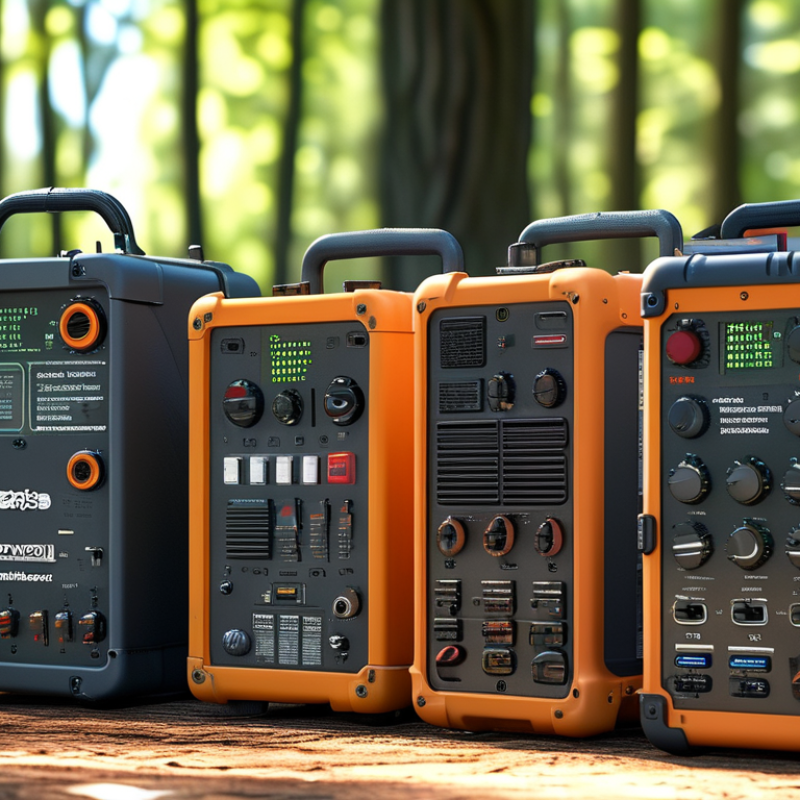
Understanding the Basics of Portable Power Stations
Portable power stations are essential for those who need reliable energy on the go. Understanding their basics is crucial. They serve as convenient backup power solutions, especially during outdoor adventures or emergencies. Many users seek alternatives to traditional gas generators due to noise and environmental concerns. With the growth of outdoor activities, the portable power station market is projected to reach USD 1.4 billion by 2027 (source: Market Research Future).
Key metrics to consider include capacity measured in watt-hours (Wh), inverter power, and output ports. A power station typically ranges from 200Wh to over 2000Wh. Users should evaluate their power needs based on the devices they intend to charge. For instance, a small electric cooler might need 60-100W, while a laptop could require 30-100W. Failing to match the power station’s output with your devices may result in frustration and inefficiency.
Charging options also matter. Some units charge via solar panels, AC outlets, or car chargers. Depending on your travel style, the versatility of charging methods can impact your experience. Reports highlight that solar charging, while sustainable, can take several hours to fully recharge. Users often overlook this and end up without power when needed most. Such miscalculations can lead to inconvenient situations, especially in remote areas where power sources are scarce.
Identifying Your Power Needs and Usage Scenarios
When selecting a portable power station, understanding your specific power needs is crucial. Think about the devices you plan to charge. Will you power a smartphone, a laptop, or a refrigerator? Each device has different energy requirements. It’s easy to overlook smaller gadgets. They may seem insignificant, but they contribute to your total power consumption.
Consider your usage scenarios. Are you camping in remote areas or simply preparing for power outages? Different situations call for different capacities. For a weekend trip, a smaller unit may suffice. However, for extended use during emergencies, a larger station is imperative. Knowing how often and how long you’ll use the power station affects your choice significantly. Analyze your typical consumption.
Reflect on what you've learned in the past. Did you underestimate your needs last time? Many make the mistake of choosing based on price alone. Quality often shines through in performance. As power stations vary, reliable options become essential. Focus on trusted sources for guidance. Your decisions matter, especially in critical situations.
Comparing Battery Types: Lithium-ion vs. Lead-acid
When choosing a portable power station, battery type is crucial. Lithium-ion and lead-acid batteries are the two main options. Lithium-ion batteries are lightweight and offer higher energy density. They have a longer lifespan, often lasting over 2,000 cycles. These batteries are ideal for frequent use. However, they typically come with a higher upfront cost.
On the other hand, lead-acid batteries are heavier and bulkier. They are often cheaper, which may seem appealing. Yet, they have limited cycle life, usually around 500 cycles. This makes them less suitable for regular use. If you only need a power source occasionally, they could be enough. But users might find themselves replacing them sooner than expected.
Consider your specific needs. If portability and efficiency matter, lithium-ion is likely the better choice. But if budget constraints arise, weigh the pros and cons of lead-acid. Knowing these differences helps in making an informed decision. Ultimately, selecting the right battery can significantly impact your experience with a portable power station.
Comparison of Lithium-ion and Lead-acid Batteries for Portable Power Stations
Assessing Portability Features: Weight, Size, and Design
When considering a portable power station, evaluating portability features is crucial. Think about weight, size, and design. A heavy station can be difficult to carry on camping trips. Lightweight models can make transportation effortless, enhancing your outdoor experience. Consider how much space you have. If you drive a smaller vehicle, a compact design is necessary.
Size matters for efficiency. A smaller power station may fit easily but could limit your power needs. Check the output capacity before purchasing. If you need to run multiple devices, opt for a larger unit. Balance is key. Choosing a station that is too big can be cumbersome.
Design plays a big role too. Look for ergonomic handles and layouts that allow easy access to ports. Some designs even include features like LED screens for real-time status updates. A well-thought-out design can simplify your experience. However, keep in mind that finding the perfect mix of all these elements can take time. Always reflect on your actual needs and usage scenarios.
Evaluating Charging Options and Output Ports Availability
When selecting a portable power station, evaluating charging options and output ports is crucial. A recent industry report indicates that over 70% of users favor stations with multiple charging ports. This variety allows for simultaneous charging of devices like smartphones, laptops, and small appliances, enhancing convenience.
Many units offer USB-A and USB-C ports, but not all stations are created equal. The quality and number of ports can greatly impact usability. Look for models with a mix of AC, DC, and USB outputs. This combination ensures you can power everything from gadgets to camping equipment. Some portable power stations even come with fast charging capabilities, making them essential for on-the-go power needs.
One tip is to consider your specific usage scenarios. If you plan to use high-draw appliances, check the output wattage. Another consideration is charging speed—some stations can recharge in just a few hours, while others might take over 12 hours. Balancing these features against your budget requires careful thought. Not every option will meet all your needs, so prioritize what’s essential for your activities.


