Get an instant quote
Get in touch Listen to our podcast

Blog

What is a Sternum Saw and How is it Used?

The "Sternum Saw" is a vital instrument in the realm of cardiothoracic surgery. Dr. Emily Carter, a leading expert in surgical tools, states, "Precision in using a Sternum Saw can determine the success of the operation." This tool allows surgeons to access the heart and major vessels safely.

The device is designed for cutting through the sternum with remarkable accuracy. Its unique design minimizes damage to surrounding tissues. Surgeons heavily rely on this instrument during procedures like open-heart surgery. However, the process is not without challenges. Each use of a Sternum Saw requires intense focus. A moment's distraction can lead to complications.

Moreover, the delicate nature of this tool demands respect. Surgeons must undergo extensive training to master its operation. Reflection on its use is crucial in improving surgical outcomes. The balance between speed and precision is not an easy one to achieve. The Sternum Saw embodies both innovation and responsibility in modern medicine.
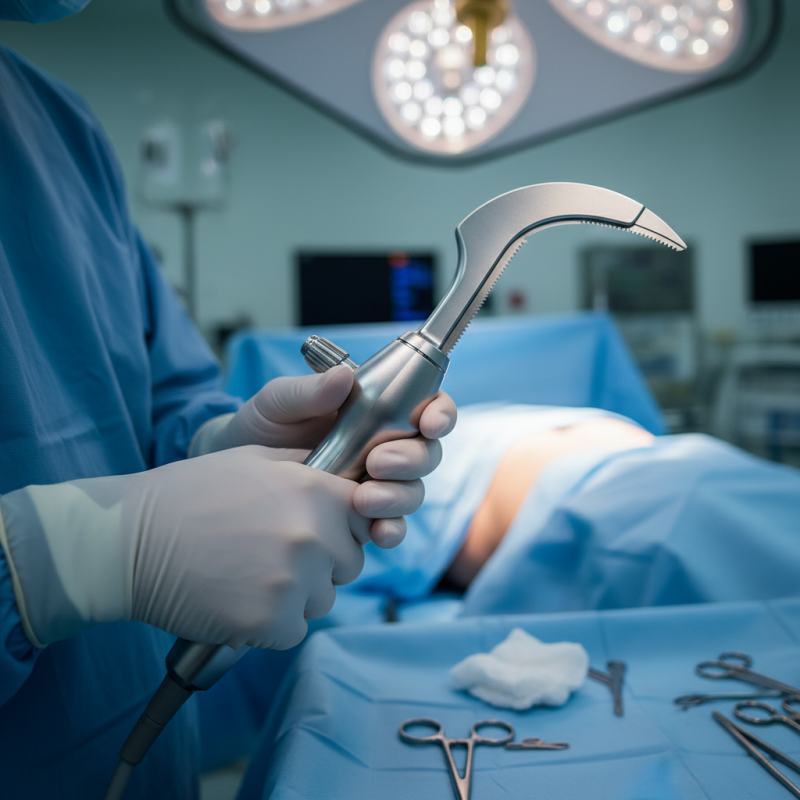
What is a Sternum Saw and How is it Used?

What is a Sternum Saw and its Primary Function in Medicine?

A sternum saw plays a crucial role in modern medicine, specifically in thoracic surgeries. This specialized tool is designed to cut through the sternum, allowing surgeons access to the heart and lungs. The saw operates with precision and minimizes damage to surrounding tissues. Medical professionals typically use it when performing open-heart surgery, heart transplants, or certain lung procedures.

Data from the American College of Surgeons indicates that over 300,000 open-heart surgeries are performed annually in the United States. The sternum saw is essential for these operations. Surgeons prefer this tool as it ensures a quick and effective opening of the chest cavity. Without it, these complex procedures would be significantly more challenging and time-consuming.

However, using a sternum saw is not without risks. The potential for complications exists, particularly if the device is not handled correctly. Inaccurate cuts can lead to injuries in the heart or nearby vessels. Surgeons must receive extensive training to master the use of this tool. While the sternum saw is vital, the learning curve can be steep, requiring both practice and care.

The Anatomy of a Sternum Saw: Components and Design Features

A sternum saw is a specialized surgical tool. It is used primarily in cardiothoracic surgery. Understanding its components and design features is crucial for safe operation.

The body of the saw is typically made of durable materials. This ensures longevity and reliability during procedures. It often features a powered mechanism. This allows for controlled movement. The blade is designed for precision. Various blade sizes cater to different surgical needs. The whole design emphasizes safety. Ergonomic handles help surgeons maintain grip and control.

However, attention must be given to the saw’s maintenance. Regular checks can prevent malfunction during surgery. Improper handling can lead to mistakes. Surgeons must be trained thoroughly. Reflective practices improve the safety of using these tools. Continuous education is vital in adapting to any new design features.

What is a Sternum Saw and How is it Used? - The Anatomy of a Sternum Saw: Components and Design Features

Component Description Function Material
Blade A sharp and narrow cutting instrument Cuts through bone and cartilage Stainless Steel
Handle Ergonomically designed grip Facilitates user control and maneuverability Plastic or Rubber
Motor Electric power source for the saw Drives the blade rotation Aluminum or Steel
Safety Guard Protective cover for the blade Enhances safety during operation Plastic or Polycarbonate
Power Switch Controls the operation of the saw Starts and stops the saw Metal or Plastic

Common Surgical Procedures Involving a Sternum Saw

The sternum saw is a specialized surgical tool. It is designed for cutting through the breastbone. Surgeons commonly use it during heart surgeries. A sternum saw allows access to the chest cavity. It is crucial for procedures that require opening the thoracic cavity.

One common procedure is coronary bypass surgery. Surgeons need to reach the heart to reroute blood flow. Another is valve replacement surgery. This requires precise cuts to replace damaged heart valves. In both cases, the sternum saw plays a vital role. It enables the surgeon to perform intricate operations with better visibility.

However, using a sternum saw comes with risks. Surgeons must handle it carefully to avoid complications. There can be unintended damage to surrounding tissues. It is essential to assess the patient's condition before surgery. Each step must be taken with caution. The challenges of using the sternum saw reflect the complexity of surgical procedures.

Safety Protocols and Best Practices in Using a Sternum Saw

Using a sternum saw requires strict adherence to safety protocols. This tool is designed for making precise cuts. Surgeons must prepare thoroughly before use. Proper attire includes gloves, masks, and eye protection. These items prevent contamination and injury. Staff should verify equipment functionality prior to surgery. A malfunctioning saw can lead to serious complications.

During the procedure, maintaining a sterile environment is essential. The focus should be on the surgical site, avoiding distractions. It’s crucial to have an assistant present. They can help manage instruments and assist the surgeon. Communicating effectively among the team reduces risks. Each member should be aware of their roles and responsibilities.

After the operation, cleaning and maintenance of the saw are vital. Disinfecting surfaces prevents infections. Regular inspection is necessary to identify any wear. Log any issues encountered during the procedure. Reflection is important to improve practices. Evaluating each surgery provides valuable insights. Learning from mistakes enhances future performance.

Sternum Saw Usage and Safety Protocols

Emerging Innovations in Sternum Saw Technology and Techniques

The field of sternum saw technology is evolving rapidly. Innovations focus on precision, safety, and efficiency. The introduction of advanced materials improves durability and reduces weight. A significant development is battery-operated saws, which enhance portability. Reports indicate these saws can lead to quicker surgeries and improved recovery times.

Surgeons face challenges with traditional sternal procedures. Studies show that nearly 8% of patients experience complications. Enhanced designs aim to mitigate risks. Novel blade designs with variable speed settings allow for better control, enabling surgeons to adapt their techniques to individual cases more effectively.

Incorporating robotics into sternum saws is a significant trend. Robotic-assisted surgeries have shown promise, reducing human error. However, the high cost of these technologies raises concerns among medical facilities. Balancing innovation with affordability remains a critical issue for healthcare providers.

CNC machining CAD export file formats

Put your parts in production today

Get an instant quote