What is Stainless Steel Strips and How to Choose the Best?
Stainless Steel Strips are versatile materials used in various industries, from construction to manufacturing. Their strength, durability, and resistance to corrosion make them a top choice for different applications. Choosing the right type can be challenging, as the market offers numerous options.
Consider the specifications and grades of Stainless Steel Strips. Each grade has unique properties that can impact performance. For example, some might resist heat better, while others excel in corrosion resistance. It is crucial to select a strip that meets your specific needs.
A common mistake is overlooking the finish of the strips. The surface finish can affect not only aesthetics but also functionality. Understanding the differences among finishes can lead to better choices. Reflecting on your requirements will help in making an informed decision. The right Stainless Steel Strip can guarantee quality and longevity in your projects.
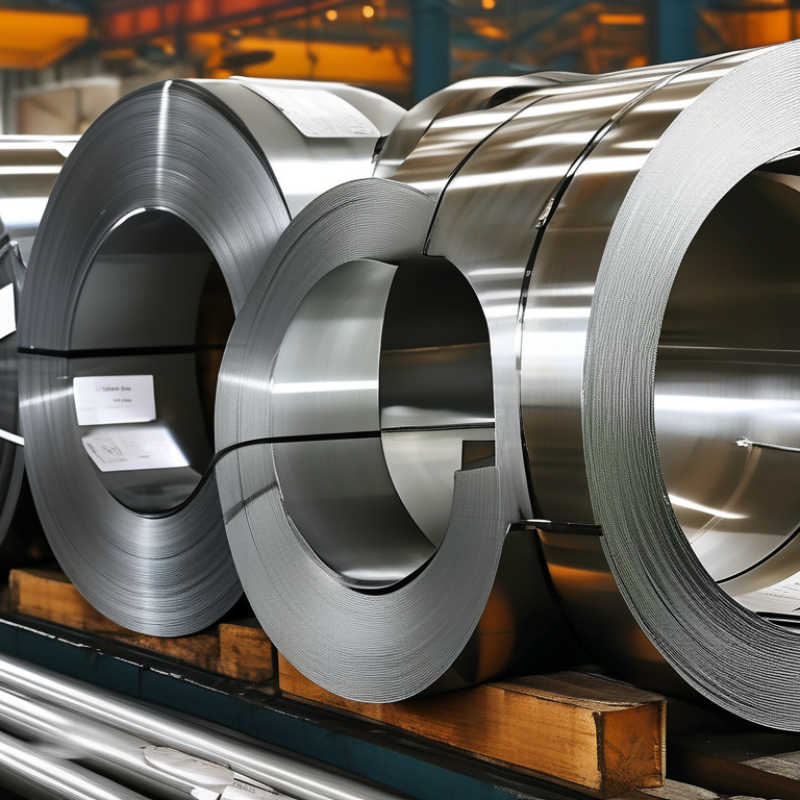
What Is Stainless Steel Strips: Definition and Composition Explained
Stainless steel strips are thin sheets of stainless steel, commonly used in various industrial applications. They are made from an alloy primarily consisting of iron, chromium, and nickel. The chromium content usually exceeds 10.5 percent, which allows for enhanced corrosion resistance. The presence of nickel contributes to the material's strength and ductility. According to industry reports, the global stainless steel strip market is projected to reach 21 million tons by 2025, driven by demand in automotive and construction sectors.
When choosing stainless steel strips, factors like thickness, width, and finish are critical. Common grades include 304 and 316, each offering distinct properties. For instance, 316-grade stainless steel contains molybdenum, making it more resistant to pitting. However, this quality comes at a higher cost. Data suggests that 40 percent of purchasers prioritize corrosion resistance in their selection process. Misunderstanding these specifications can lead to suboptimal choices.
Moreover, surface finish can significantly impact performance. Options include mill finish, polished, and coated surfaces. Each finish has its benefits and limitations, affecting aesthetics and durability. It's crucial for buyers to consider the specific environmental conditions the strips will face. A poor choice in finish may result in increased maintenance costs over time. Balancing these attributes requires careful assessment of both application needs and budget constraints.
Key Properties of Stainless Steel Strips: Corrosion Resistance and Durability
Stainless steel strips are essential in various applications due to their key properties. Among these properties, corrosion resistance and durability stand out. Stainless steel can resist corrosion effectively due to its chromium content, which forms a protective layer on the surface. According to a report from the International Stainless Steel Forum, stainless steel strips exhibit a corrosion resistance rate that is significantly higher than carbon steel, making them a preferred choice in many industries.
Durability is another critical property. Stainless steel strips can withstand harsh environments and extreme temperatures, enhancing their lifespan. The World Steel Association notes that high-quality stainless steel strips can last more than 50 years under normal operating conditions. However, choosing the right grade of stainless steel is vital. Each grade has specific properties suited for particular applications. For example, austenitic stainless steel is known for its excellent toughness and weldability, while ferritic grades offer good corrosion resistance at lower costs.
Despite these advantages, there are challenges in using stainless steel strips. They can be more expensive compared to other materials. Additionally, some grades may experience stress corrosion cracking in specific environments. Therefore, understanding the material and application needs is crucial for optimal performance. Evaluating these factors will lead to a more informed decision when selecting stainless steel strips for various projects.
Applications of Stainless Steel Strips Across Various Industries
Stainless steel strips play a vital role in numerous industries. They are highly versatile materials used in manufacturing components where strength and corrosion resistance are crucial. In the automotive sector, stainless steel strips are essential for producing parts such as brackets and trims. Their durability ensures that these components can withstand harsh conditions over time.
In the construction industry, these strips are commonly used for cladding and decorative elements. Their aesthetic appeal combined with their strength makes them a preferred choice for architects and builders. Moreover, in the electronics industry, stainless steel strips are utilized for spring manufacturing, which requires precision and reliability. While the applications are vast, selecting the right type of stainless steel strip can be challenging.
It is essential to consider factors such as thickness, width, and finish when choosing stainless steel strips. Each application has unique requirements that demand specific properties. For instance, some projects may need a polished finish for visual appeal, while others prioritize a matte surface for functionality. Reflecting on these details can lead to better decisions, but it’s crucial to evaluate the materials’ performance in the intended environments to avoid future complications.
Factors to Consider When Choosing Stainless Steel Strips: Grade and Thickness
When selecting stainless steel strips, grade and thickness are key considerations. The grade determines corrosion resistance and mechanical properties. Common grades include 304 and 316, each suited for different environments. If your application is exposed to acidic or chloride conditions, 316 might be the better option. Conversely, for less demanding environments, 304 can be sufficient.
Thickness plays a crucial role too. Thicker strips provide greater strength but may be heavier. A thicker strip may also require more effort during installation and machining. Evaluate your project’s specific demands. Sometimes, using a thinner strip will suffice, reducing weight and cost.
Understanding these factors is vital. The wrong choice can lead to performance issues or premature failure. Always analyze your needs carefully. You want to balance cost, durability, and suitability for your application. A little introspection in the selection process can prevent costly mistakes. Don't rush decisions; take the time to evaluate your options thoroughly.
Cost Analysis of Stainless Steel Strips: Market Trends and Pricing Data
The market for stainless steel strips has seen notable shifts in recent years. According to the Global Stainless Steel Strips Market Report 2023, prices have increased by around 5% over the past two years. This surge is driven by rising demand from automotive and construction industries. The global growth rate is projected to be around 3.5% annually through 2025.
Pricing depends on various factors, including stainless steel grades and dimensions. For instance, 304-grade stainless steel strips have different pricing compared to 316-grade strips due to their alloy compositions. Market analysts suggest conducting thorough research on current industry trends before making a purchase decision.
It's essential to consider suppliers' reliability when sourcing stainless steel strips. A recent survey indicated that more than 30% of companies experienced delays due to supplier issues last year. This reflects the importance of choosing reputable manufacturers. Despite the information available, some buyers may overlook these factors, leading to regrettable decisions.


