What Is a Seal Screw and Which Type Should You Choose?
A Seal Screw combines fastening and sealing in one compact component. It usually uses a bonded washer, elastomeric ring, or molded sealing element. This design helps protect threaded joints from moisture, dust, oil, and vibration. Small detail. Big consequence.
The need is measurable. Grand View Research estimates that the global industrial fasteners market reached about USD 84.9 billion in 2023. Its analysis also projects continued growth through 2030, driven by construction, automotive, energy, and machinery applications. These sectors demand repeatable installation and longer service life. A seal screw can support both goals, but only when its materials and geometry match the environment. IEC 60529 is also relevant because enclosure protection depends on the complete assembly, not the screw alone. A promising seal can still fail.
Choosing the correct type requires more than checking thread size. Engineers should review pressure, temperature, chemical exposure, substrate, tightening torque, and expected maintenance. Stainless steel options may suit humid equipment, while plated carbon steel can offer practical strength and lower cost. EPDM, NBR, silicone, and FKM seals behave differently under heat, fuel, oils, and weathering. Reports from the International Organization for Standardization emphasize documented processes and consistent testing, especially where quality management affects product reliability. This guide compares common Seal Screw designs, explains their limitations, and connects selection decisions with real installation conditions. The perfect choice is not universal. It depends on evidence, testing, and sometimes a second review.
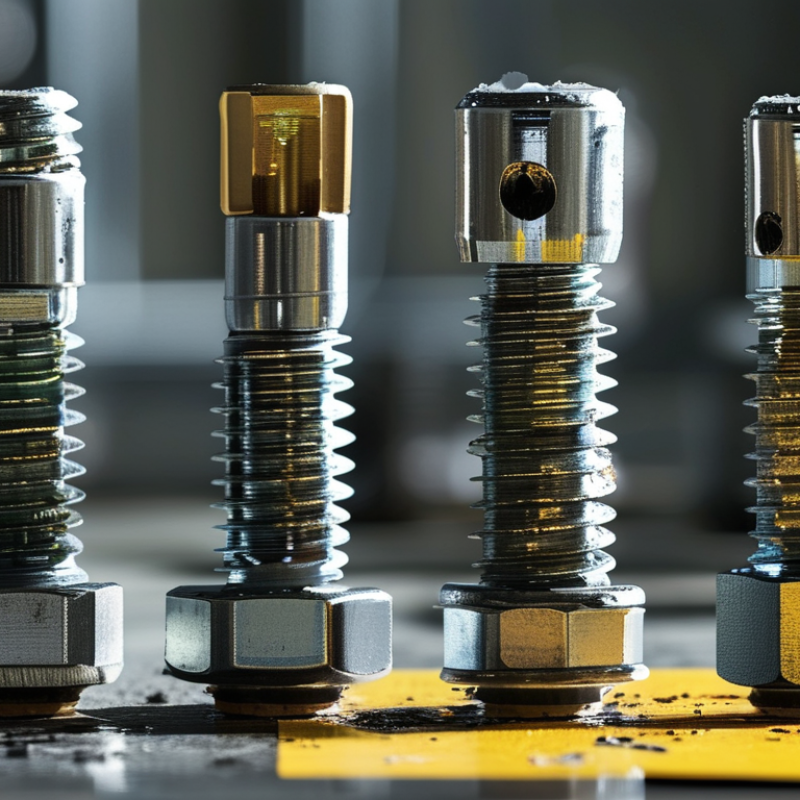
What Is a Seal Screw and How Does It Work?
A seal screw is a fastener designed to prevent fluid, gas, dust, or moisture from passing through a threaded joint. Unlike an ordinary screw, it uses a sealing element, such as a bonded washer, O-ring, conical seat, or thread sealant. When tightened, the screw creates axial pressure. This pressure compresses the seal against the mating surface and fills small scratches or machining gaps.
The screw threads mainly provide clamping force. They do not always create the seal. For tapered threads, a compatible sealant may close the spiral leakage path. For a bonded washer, the elastomer layer seals beneath the head. The correct design depends on pressure, temperature, vibration, fluid compatibility, and whether the joint will be reopened. The U.S. Department of Energy reports that compressed-air leaks can waste 20% to 30% of compressor output. A poor screw seal can contribute to that loss, even when the leak sounds minor.
Tips: Match the sealing material to the operating medium. Use an O-ring for repeated servicing, a bonded washer for compact metal joints, and thread sealant for compatible tapered threads. Check the manufacturer’s torque range, surface flatness, and seal compression. Over-tightening can damage the seal. Under-tightening can leave a visible leakage path. The weak point is often not the screw. It is the surface beneath it. ISO 3601 guidance can help when selecting O-ring dimensions, but real assemblies still need pressure and temperature testing. One overlooked issue is reuse: a seal may look intact while losing its elasticity.
Key Components and Sealing Mechanisms of Seal Screws
A seal screw combines a threaded fastener with a controlled sealing element. Its main components include the screw head, threaded shank, sealing washer, and sometimes an O-ring or pre-applied sealant. Each part carries a separate responsibility. The threads provide clamping force, while the washer closes the joint surface. An O-ring seals more dynamically.
Common sealing mechanisms include bonded washers, elastomeric O-rings, thread sealants, and metal-to-metal seats. Bonded washers suit flat, machined surfaces and moderate pressure. O-rings work well when groove dimensions, compression, and temperature remain controlled. Thread sealant can reduce leakage through spiral thread paths. It may also complicate later maintenance. Small details matter, especially surface scratches and uneven torque.
The U.S. Department of Energy reports that compressed-air leaks can waste 20% to 30% of compressor output in typical systems. That figure shows why sealing hardware deserves practical attention. A seal screw should match pressure, temperature, fluid compatibility, thread form, and installation torque. ISO 3601 provides dimensional guidance for O-rings, while ASME B1.1 defines unified inch screw threads. Standards help, but they do not replace testing. A perfect-looking joint can still leak after thermal cycling. This is where selection becomes less certain. Engineers sometimes choose a stronger screw, yet overlook gasket compression. That mistake is easy to repeat. Check the mating surface, torque window, and leakage rate before final approval.
Common Types of Seal Screws and Their Main Applications
What Is a Seal Screw and Which Type Should You Choose?
Seal screws combine fastening with protection against moisture, dust, vibration, or unauthorized access. Their design often includes a bonded sealing washer, an O-ring, or a captive sealing element beneath the head. In field installations, this small detail can prevent water from entering an enclosure or panel. However, sealing performance depends on torque, surface condition, and thread engagement. A perfect screw cannot compensate for a damaged sealing surface.
Common types serve different applications. Screws with bonded washers suit electrical cabinets, outdoor panels, and sheet-metal covers. O-ring seal screws work well in compact mechanical assemblies where space is limited. Tamper-resistant seal screws support public equipment, control boxes, and sensitive access panels. Captive versions remain attached to covers during maintenance, reducing dropped hardware. Stainless steel types resist corrosion in humid environments, while coated carbon steel may suit controlled indoor conditions. The choice is not always obvious. Temperature, pressure, chemical exposure, and repeated servicing can change the result.
Tips: Check the required torque and sealing material before installation. Match the screw thread to the base material. Inspect the washer after removal. It may look usable, but compression damage is easy to miss. Avoid overtightening, because crushed seals can leak sooner. When specifications conflict, follow the equipment drawing and request verified technical data. A practical trial on a spare panel can reveal problems before production begins.
How to Choose the Right Seal Screw for Your Requirements
What Is a Seal Screw and Which Type Should You Choose?
Choosing the right seal screw starts with the sealing environment, not the screw head. A bonded-washer screw suits flat metal surfaces and moderate pressure. An O-ring seal works better when controlled compression is available. Tapered threads can seal without a separate washer, but installation errors may cause leakage or cracking. Check pressure, temperature, vibration, thread size, and fluid compatibility before selecting materials. ISO 898-1 provides guidance on fastener strength classes, but strength alone does not guarantee sealing performance.
Corrosion deserves serious attention. The NACE IMPACT study estimated that corrosion costs about 3.4% of global GDP, or nearly 2.5 trillion dollars annually. A suitable coating, stainless alloy, or protective washer may reduce maintenance risk. In compressed-air systems, the U.S. Department of Energy reports that leaks can waste 20–30% of compressor output. A small seal failure can therefore become a measurable operating cost. Field inspections often reveal another issue: over-tightening damages the seal. I have seen “tighter” create weaker results.
Tips: Match the seal material to the fluid and temperature range. Measure the mating surface before ordering. Use a calibrated torque tool, then inspect for extrusion or uneven compression. For strong vibration, consider a captive seal design. Do not rely on thread sealant as a substitute for correct geometry. A pressure test is wise, even when the first installation looks perfect.
Installation, Maintenance, and Performance Considerations
A seal screw combines fastening with leak prevention at a threaded joint. Common designs use bonded washers, elastomer O-rings, or sealing threads. Choose the type according to pressure, temperature, fluid compatibility, and removal frequency. Bonded washers suit many static hydraulic connections. O-ring screws work better when controlled compression matters. Thread-sealing screws can simplify installation, but damaged threads may reduce performance. Not always.
Installation starts with clean, dry threads and a correctly matched sealing surface. Check the thread standard before tightening. A mismatched thread can feel secure while leaking slowly. Use a calibrated torque wrench and follow the equipment specification, rather than copying a value from another assembly. ISO 16047 provides methods for evaluating torque and clamping force relationships. Excessive torque can flatten an elastomer or distort a washer. Insufficient torque leaves a pressure path. A practical inspection includes wiping the joint clean, running the system, and checking for fresh fluid or pressure loss.
Maintenance should include seal replacement after removal, especially when a washer has been compressed. Inspect for corrosion, scratches, swelling, and thread deformation. The U.S. Department of Energy’s Improving Compressed Air System Performance sourcebook estimates that leaks can waste 20–30% of compressor output. That figure is not specific to seal screws, but it shows why small joints deserve attention. Material compatibility also affects service life; heat, solvents, and vibration can harden or loosen seals. Record the screw type, torque, and inspection date. Perfect installation is unlikely. Reliable records make mistakes easier to find.


