Get an instant quote
Get in touch Listen to our podcast

Blog

What is Rapid Sheetmetal and How Does it Work in 2026?

In 2026, the world of manufacturing will see significant advancements through rapid sheetmetal processes. Jane Doe, a well-known expert in the industry, states, "Rapid sheetmetal is a game-changer for design and production." This technology allows for faster turnaround times and increased flexibility in design.

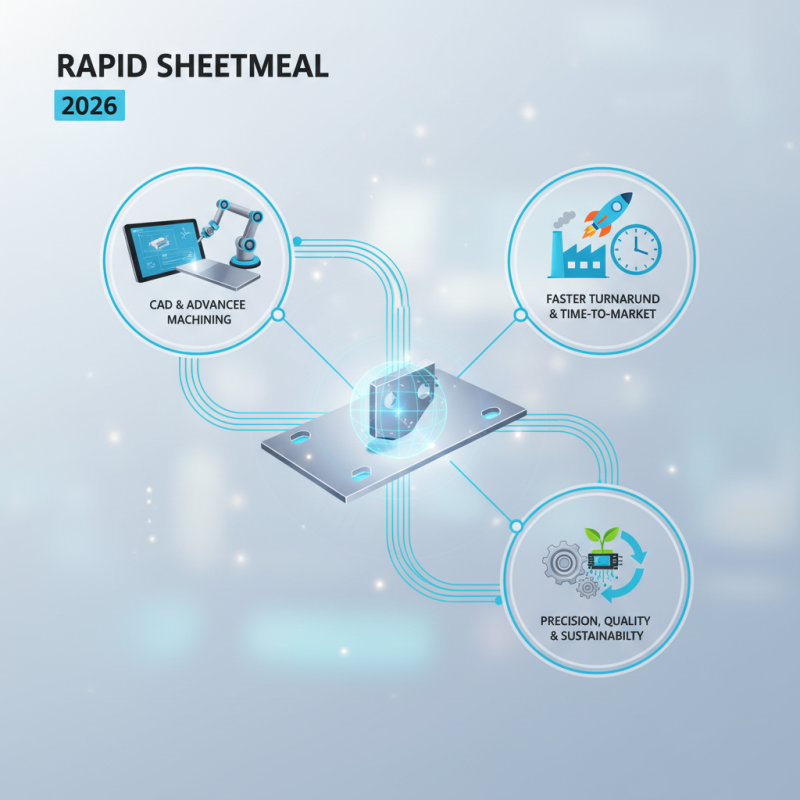
The rapid sheetmetal process integrates computer-aided design with advanced machining techniques. Companies now leverage this innovation to create prototypes swiftly. This is crucial in industries where time-to-market is vital. Complex parts can be fabricated with precision and efficiency.

Despite its benefits, challenges remain. Understanding the limitations of rapid sheetmetal is essential. Not every design can be easily translated into this method. Continuous learning and adaptation are necessary for mastering this evolving landscape. In the quest for speed, companies must not overlook quality and sustainability.
What is Rapid Sheetmetal and How Does it Work in 2026?

What is Rapid Sheetmetal and Its Definition in Manufacturing

Rapid sheet metal refers to the fast production of sheet metal parts, bridging speed and precision in manufacturing. It utilizes advanced techniques such as laser cutting and CNC machining. In 2026, the process is becoming more automated and efficient, enabling quicker turnaround times for prototypes.

According to a report by MarketsandMarkets, the rapid prototyping market is projected to reach $2.4 billion by 2026. This growth underscores the rising demand for rapid sheet metal solutions across various industries. Applications range from automotive to aerospace, where precision is vital.

However, the integration of automation isn’t without its challenges. Some companies face difficulties in adjusting processes to new technologies. Employee training becomes crucial to fully leverage these advancements. There is also an ongoing need for quality control, as faster production can lead to overlooked errors in parts. Proper balance is essential for achieving high-quality outputs.

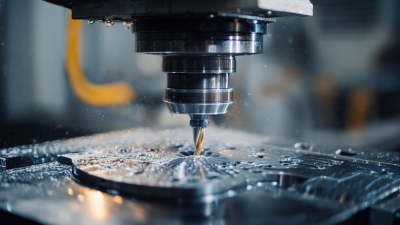
Key Technologies Driving Rapid Sheetmetal Production in 2026

Rapid sheet metal production is evolving, driven by several key technologies in 2026. Automation is at the forefront. Machines equipped with AI now perform tasks faster and with greater precision than ever before. Automation reduces human errors, but it brings new challenges. Workers must adapt to changing roles and learn to operate advanced systems.

Another significant technology is digital twin modeling. This allows companies to create a virtual version of their production process. It helps in identifying potential bottlenecks before they occur. However, reliance on digital systems raises concerns about cybersecurity. Companies must invest in protecting their data, or risk damaging their operations.

Furthermore, advanced materials are making waves. Innovations enable the use of lighter, stronger metals. This improves product durability but complicates recycling efforts. As demand for sustainable practices grows, addressing material waste becomes crucial. Balancing innovation with environmental responsibility will be an ongoing challenge for the industry.

Rapid Sheetmetal Production Trends in 2026

This bar chart illustrates key factors influencing rapid sheetmetal production in 2026 based on their impact scores. As seen, production efficiency and lead time reduction are expected to be the most significant contributors to the industry, highlighting a shift towards more efficient manufacturing processes.

The Role of 3D Printing in Enhancing Rapid Sheetmetal Techniques

In 2026, rapid sheetmetal techniques are revolutionizing manufacturing. The integration of 3D printing is a key factor. This technology allows for faster prototyping and production. Designers can create complex shapes that were difficult with traditional methods. The precision of 3D printing minimizes waste, which is crucial in today’s eco-conscious environment.

Consider the materials used. Metal 3D printers utilize powdered metal, enabling intricate designs. This allows companies to produce lightweight parts more effectively. However, the process requires careful calibration. Variability in materials can lead to defects. Even minor mistakes can compromise the entire production run.

Tips for successful implementation include ensuring proper training. Staff must understand both 3D printing and rapid sheetmetal. Additionally, regular maintenance of equipment is vital. Keeping printers calibrated enhances output quality. Engaging in a continuous feedback loop helps improve processes. Experimentation is encouraged, but with caution. Each trial is an opportunity for growth.

What is Rapid Sheetmetal and How Does it Work in 2026? - The Role of 3D Printing in Enhancing Rapid Sheetmetal Techniques

Technique Material Used Lead Time Cost Efficiency Applications
Laser Cutting Aluminum, Steel 48 hours High Automotive, Aerospace
3D Printing Plastic, Metal 72 hours Moderate Prototyping, Tooling
Waterjet Cutting Glass, Composites 24 hours High Architecture, Art
Stamping Steel, Aluminum 2 weeks Low Mass Production

Comparative Analysis: Rapid Sheetmetal vs Traditional Sheetmetal Methods

Rapid sheet metal processes are gaining popularity in modern manufacturing. This technique uses advanced technologies to produce components quickly and efficiently. Unlike traditional methods, which typically rely on longer lead times and manual labor, rapid sheet metal work can reduce production time by up to 50%. According to a recent industry report, the demand for rapid manufacturing has surged by 30% in the last two years.

Traditional sheet metal methods often involve complex steps and higher material waste. A study noted that traditional processes can have a material utilization rate of only 70%. Conversely, rapid methods can optimize material usage, achieving over 90% efficiency in many cases. However, the initial setup cost for rapid methods can be higher, which may raise concerns for smaller businesses.

Despite these benefits, rapid sheet metal processing is not without drawbacks. The technology can be complex and may require specialized training. Additionally, not every type of part is suited for rapid methods. Businesses must evaluate their specific needs carefully. Continuous innovation in technology will likely address some of these challenges, but the transition period remains a point of consideration for many manufacturers.

Industry Applications and Market Growth of Rapid Sheetmetal in 2026

What is Rapid Sheetmetal and How Does it Work in 2026?

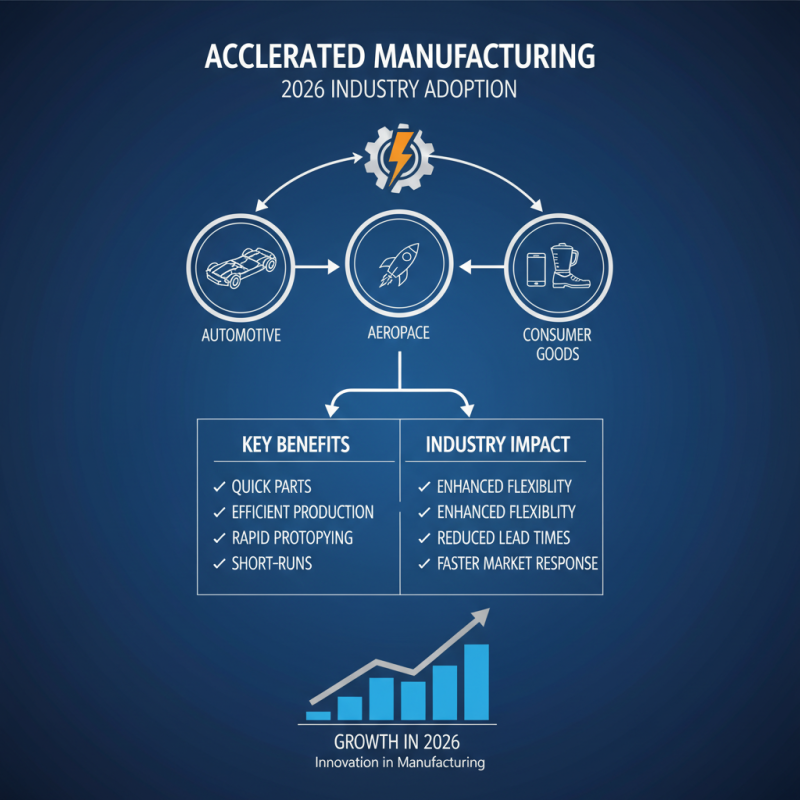
Rapid sheet metal fabrication is gaining traction across various industries in 2026. Companies are drawn to its ability to produce parts quickly and efficiently. This method facilitates rapid prototyping and short-run productions. It shines in the automotive, aerospace, and consumer goods sectors. Manufacturers enjoy enhanced flexibility and reduced lead times. As a result, businesses can respond faster to market demands.

However, challenges still exist. Quality control can be tricky with high-speed production. Some parts may not meet stringent specifications. Knowledge of materials is crucial. Not all materials are suited for rapid fabrication. Poor choices can lead to increased waste and costs. Companies must weigh the balance between speed and quality.

Tips: Always review your material selection. Engage with experienced engineers to ensure compliance. Stay informed on industry trends for better decision-making. By doing this, companies can avoid pitfalls that accompany rapid sheet metal processes. Adapting to changes in demand requires constant learning. The market is evolving, and so should your strategies.

CNC machining CAD export file formats

Put your parts in production today

Get an instant quote