Why Is Metal Prototyping Essential for Modern Manufacturing Success?
Metal prototyping is a crucial element in today’s manufacturing landscape. According to a report by MarketsandMarkets, the metal prototyping market is expected to grow by 25% annually through 2025. This growth highlights the increasing importance of rapid iterations and effective design in manufacturing processes. As companies strive to innovate, they rely on metal prototyping to create precise parts efficiently.
John Doe, a leader in the metal prototyping field, emphasizes, "The speed of prototyping can make or break a project." His insight reflects how essential these practices are in reducing lead times and lowering costs. However, not all companies have adopted effective metal prototyping techniques. Some still struggle with outdated methods, hindering their competitiveness.
The shift towards additive manufacturing and advanced metal machining is not just a trend; it's a necessity. As the industry evolves, adapting to these changes is vital. Companies that fail to prioritize metal prototyping may fall behind. Embracing innovation in this area is critical for success. Nevertheless, the transition can be challenging, requiring careful planning and investment.
Importance of Metal Prototyping in Advanced Manufacturing Techniques
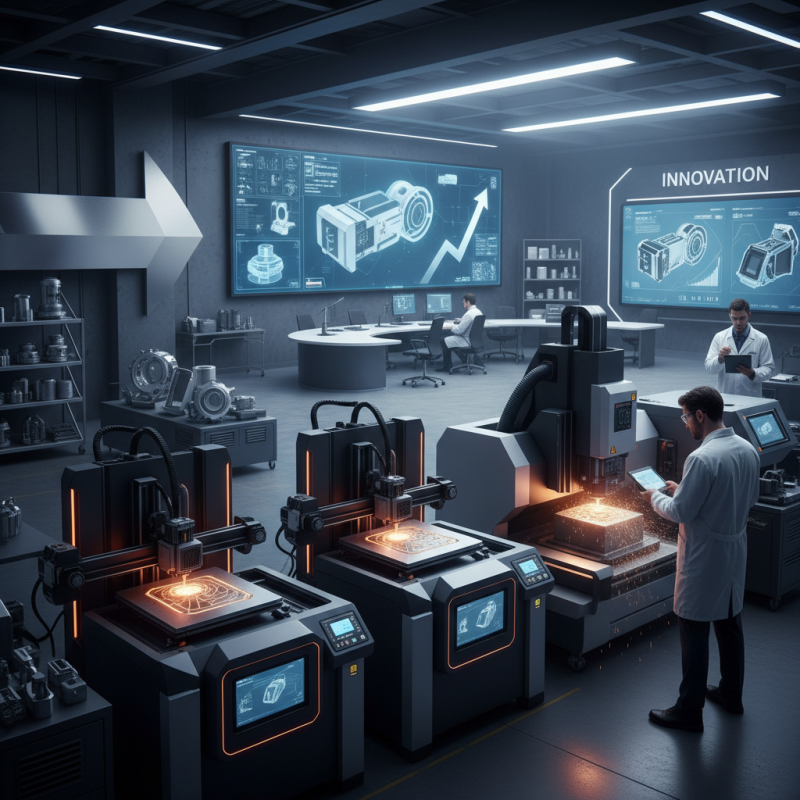
In advanced manufacturing, metal prototyping plays a crucial role.
It allows designers to create realistic models quickly. These prototypes help in visualizing designs and testing ideas. The use of
metal ensures durability and strength. Unlike plastic, metal prototypes can
reveal more about the final product. This feature is vital for industries where precision is key.
However, the process of metal prototyping is not without challenges.
Techniques vary, and some methods can be costly. Miscommunications during the design phase may lead to wasted materials.
Additionally, the speed of production can sometimes compromise quality. It's essential to address these issues to optimize results.
Despite these hurdles, the benefits are significant.
Metal prototyping can lead to faster development cycles.
This promotes innovation in product design. Companies that invest in such techniques can gain a competitive edge.
Metal prototypes often reveal insights that digital models cannot. Emphasizing this aspect is necessary for manufacturers aiming for success.
Key Advantages of Metal Prototyping for Product Development
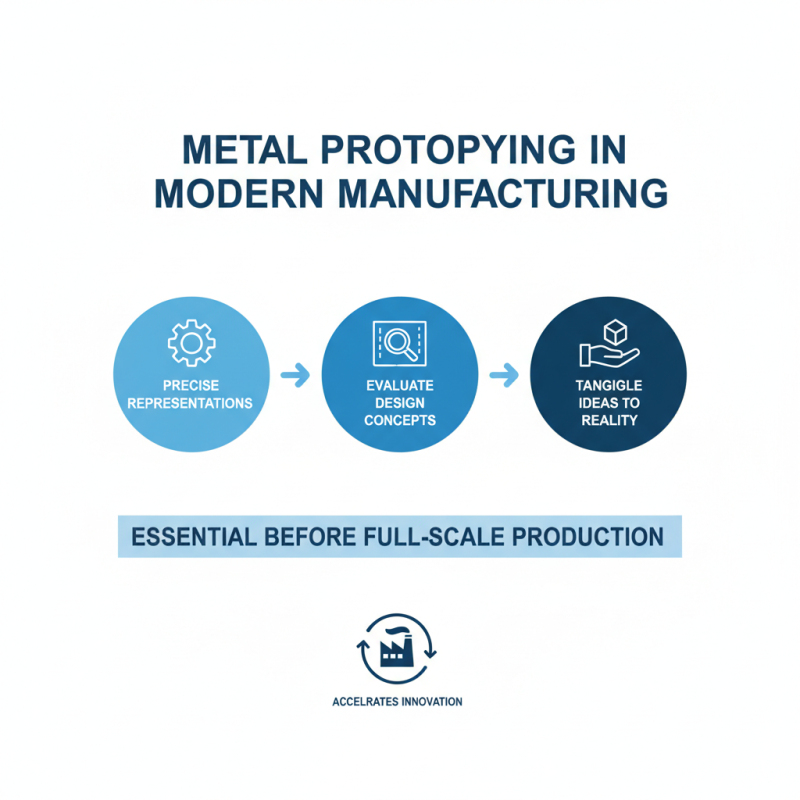
Metal prototyping plays a crucial role in modern manufacturing. It allows designers to create precise representations of their ideas. Before full-scale production, these prototypes are essential for evaluating design concepts. They offer a tangible dimension to abstract ideas.
One key advantage is the ability to test functionality. Prototypes made from metal can simulate real-world conditions. This testing often reveals design flaws early. It saves time and reduces costs. Engineers can make adjustments based on these insights. Fine-tuning is easier when working with a physical model. However, failures during the prototyping phase can be frustrating. They may reveal unexpected challenges that need addressing.
Moreover, metal prototyping supports faster iteration cycles. Designers can quickly fabricate multiple versions. Each version provides valuable data for improvements. Nonetheless, the process can become chaotic. Tight timelines may pressure teams, leading to mistakes. Reflecting on these missteps can result in better outcomes for future designs. Embracing imperfection during prototyping can fuel innovation. Ultimately, it leads to more refined, high-quality products.
Comparison Between Metal Prototyping and Traditional Methods
Metal prototyping stands out in modern manufacturing. It offers precision and speed that traditional methods often lack. For instance, traditional machining can take weeks to produce a single component. In contrast, metal prototyping can produce parts in just days. This rapid turnaround is crucial for companies aiming to stay competitive.
A study revealed that metal prototyping reduces production costs by up to 30%. Traditional methods may lead to material waste, causing inefficiencies. In contrast, prototyping technologies minimize waste through more accurate designs. However, the transition to metal prototyping also brings challenges. Some manufacturers are slow to adopt new technologies. They may hesitate to invest due to initial costs or lack of expertise.
Moreover, feedback loops created by rapid prototyping allow for faster iteration. Designers can quickly identify flaws. They can adjust designs based on real-world testing. This leads to a more refined final product. Traditional methods do not support this kind of agility well. Yet, they still have a crucial role, especially in high-volume manufacturing scenarios. Finding a balance between these methods is essential for success in today's economy.
Why Is Metal Prototyping Essential for Modern Manufacturing Success? - Comparison Between Metal Prototyping and Traditional Methods
| Criteria |
Metal Prototyping |
Traditional Methods |
| Speed of Prototyping |
Fast turnaround, often within days |
Slower, can take weeks to months |
| Material Versatility |
Supports a wide range of metals and alloys |
Limited to specific materials, often more rigid |
| Cost Efficiency |
Initial costs may vary but savings in shorter iterations |
Generally higher due to longer lead times |
| Design Complexity |
Highly complex geometries easily achievable |
More challenging to create complex designs |
| Testing and Iteration |
Rapid testing allows for quick modifications |
Lengthy process, limited adjustments can be made |
| Final Product Accuracy |
High precision and surface finish achievable |
May require additional finishing steps to achieve desired quality |
| Sustainability |
More sustainable practices, less waste generated |
Often produces more waste, less eco-friendly |
Challenges and Solutions in Metal Prototyping Processes
Metal prototyping plays a crucial role in modern manufacturing. However, several challenges often arise in the prototyping process. One major issue is the complexity of metal materials. Each type has unique properties, making it hard to choose the right one. Misjudgment can lead to costly errors down the line.
Another challenge is the intricate design requirements that modern products demand. Designers often push the limits of creativity, resulting in shapes that are difficult to prototype. This can lead to frustration and wasted resources. Rather than only focusing on aesthetics, the functional aspects must be prioritized.
Tip: Simplify your designs. Features that seem appealing may complicate the manufacturing process. Keep functionality in mind to ease the prototyping phase.
Additionally, the prototyping timeline can be a potential bottleneck. Rushing the process may lead to mistakes. Conversely, excessive planning may stall innovation. Finding the right balance is essential for success.
Tip: Create a flexible timeline. Allow time for adjustments and learning. Prioritize key milestones to prevent losing sight of the overall goal. This can foster a more efficient prototyping process.
Future Trends in Metal Prototyping and Manufacturing Innovation
Metal prototyping is evolving rapidly. As industries innovate, metal prototyping will play a central role in shaping their future. According to a report from Deloitte, around 67% of manufacturers believe advanced prototyping will enhance productivity. This trend shows no signs of slowing down. Technologies like additive manufacturing are gaining traction. These methods are making it easier and faster to create prototypes.
Tips: Regularly update your prototyping techniques. This will keep your operations aligned with industry advancements.
The rise of AI in prototyping is another trend to watch. AI can optimize designs, reducing waste. Some studies show that using AI can save up to 30% on materials. However, not all manufacturers are ready to embrace this change. Many still rely on outdated methods. This hesitance can hinder growth.
Tips: Invest in training for your team. This ensures they are equipped with the skills needed for modern techniques.
The future of metal prototyping looks promising but challenging. Balancing innovation with practical execution is key. Keeping an eye on industry reports will help identify shifts. Adapting quickly can define success in a competitive market.
Importance of Metal Prototyping in Modern Manufacturing
This chart illustrates the importance of various factors in metal prototyping for modern manufacturing success. Each factor is rated based on its importance to the overall process, showcasing how metal prototyping enhances rapid production, cost efficiency, design flexibility, material testing, and reduces time to market.