What is an Insulated Portable Pot and How to Choose One?
The "Insulated Portable Pot" has become a must-have for outdoor enthusiasts and home chefs alike. According to a 2023 market report, demand for insulated kitchenware has surged, growing by 18% annually. This reflects a growing awareness of energy efficiency and convenience in food storage. Insulated pots maintain food temperature effectively, making them ideal for picnics or extended outings.
Choosing the right insulated pot can be challenging. Factors such as material, insulation type, and size all play crucial roles in performance and usability. A poorly made pot can lead to heat loss and food spoilage. Studies show that 40% of consumers report dissatisfaction with their insulated products, emphasizing the need for informed choices.
The variety of options can be overwhelming, yet understanding key features can lead to a better purchase. Identifying reputable brands and reading user reviews can greatly enhance your decision-making. Investing in a quality insulated portable pot not only saves energy but also contributes to a positive cooking experience.
What is an Insulated Portable Pot?
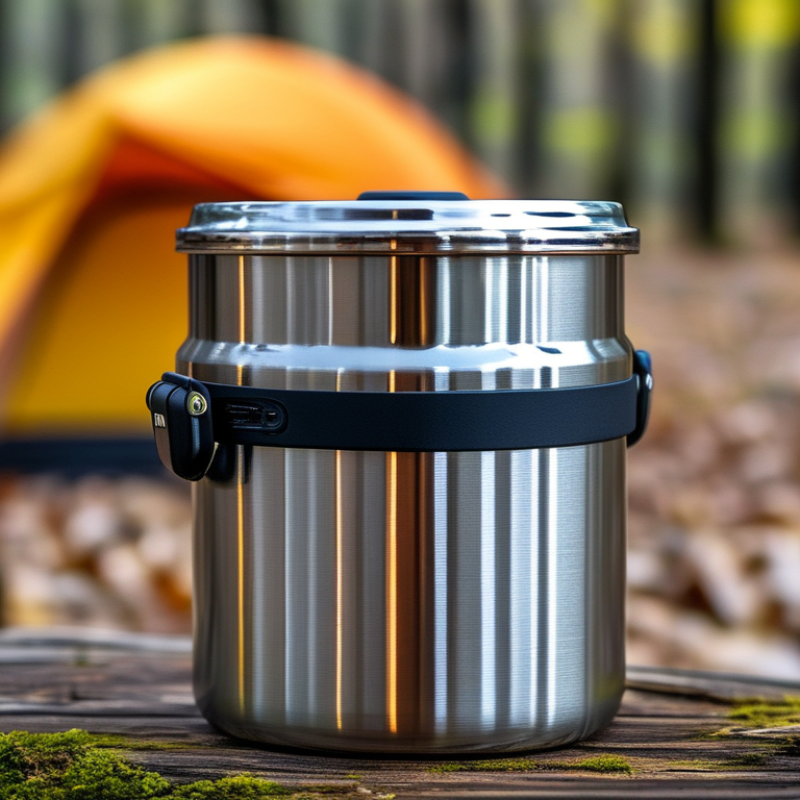
An insulated portable pot is a versatile kitchen tool designed to keep food hot or cold for extended periods. This type of cookware uses advanced insulation technology, often including double-walled construction. Reports indicate that effective insulation can maintain temperatures for 4 to 8 hours, depending on the materials used. This is particularly helpful for outdoor activities, long trips, or for ensuring meals are served at the desired temperature.
When choosing an insulated portable pot, consider factors such as size, material, and lid design. A study from the National Association of Professional Organizers highlights that 75% of consumers prefer pots that are lightweight and easy to carry. Many insulated pots made from stainless steel offer durability alongside insulation benefits. Users appreciate a secure lid that prevents spills while retaining heat. However, not all insulated pots perform equally; some struggle to maintain temperatures over extended periods. It’s essential to read user reviews and technical specifications to identify the most reliable options available.
Key Features of Insulated Portable Pots
When choosing an insulated portable pot, understanding its key features is essential. Insulated pots are designed to keep food hot or cold for extended periods. Look for double-walled construction, which enhances insulation. This design minimizes heat transfer efficiently, ensuring your meals remain at optimal temperatures.
Capacity is another important factor. Consider how much food you typically need to carry. Some pots can hold several liters, ideal for family outings. Others are smaller, perfect for single servings. A robust lid is crucial as well, preventing spills and maintaining temperature. Ensure it seals tightly.
Tips: Always check the material quality. Stainless steel is durable and resistant to rust, making it a reliable choice. Check user reviews to gauge real-world performance. Look for pots that are easy to clean. Some may be dishwasher safe, which adds convenience.
Portability is key too. Lightweight designs contribute to easy transport. Consider a pot with a comfortable handle. Ensure it can withstand rough conditions. A non-slip base can also be beneficial. It’s vital to reflect on your personal needs. What activities will you use it for? Each choice impacts your overall experience.
Benefits of Using an Insulated Portable Pot
Insulated portable pots offer numerous benefits that make them increasingly popular among outdoor enthusiasts and busy families. According to a report by the International Journal of Thermal Insulation, insulated pots can maintain temperatures of hot or cold foods for many hours. For instance, these pots can keep soup hot for up to eight hours. This allows users to enjoy meals without needing a heat source.
One significant advantage of using insulated pots is their energy efficiency. A study from the Food and Nutrition Research Institute highlights that they reduce energy consumption by retaining heat. This feature is especially beneficial during outdoor activities like camping or picnics. Users can prepare meals at home and keep them hot, minimizing the need for additional cooking while on the go.
Moreover, insulated pots often come with durable, lightweight designs, making them easy to carry. Their versatility allows for various uses, from storing soups to keeping beverages cold. However, it's essential to consider factors like capacity and insulation quality. While most insulated pots perform well, there are variations in efficiency and build quality. Recognizing these differences can help users make informed decisions tailored to their needs.
How to Select the Right Insulated Portable Pot
Choosing the right insulated portable pot can be daunting. Begin by considering the intended use. Are you looking to keep soups hot or salads fresh? Different pots cater to different needs. The size also matters. A larger pot is great for gatherings, while a smaller one is ideal for picnics.
Material plays a crucial role in heat retention. Stainless steel is durable and easy to clean, while glass offers a classic look. Check the insulation quality. Double-walled designs typically provide better temperature retention. Pay attention to the lid too; a secure closure prevents spills and keeps contents at the right temperature.
Think about the weight and portability. Lightweight options are easier to carry but may sacrifice some durability. If aesthetics matter to you, consider colors and styles that match your personal taste. Often, users overlook how easy a pot is to handle, especially when it’s full. Test the handles; they should feel comfortable and secure. Lastly, reflect on your experiences. What works for one situation may not fit another.
Maintenance Tips for Your Insulated Portable Pot
Maintaining an insulated portable pot is crucial for its longevity and performance. Regular cleaning is the first step. Use a gentle detergent and non-abrasive sponge for the exterior. Pay close attention to the lid and any seals. Poor maintenance can lead to unpleasant odors or discoloration. Set a routine cleaning schedule, especially after heavy use.
Check the insulation regularly. If you notice a drop in temperature retention, inspect for any dents or damage. A compromised insulated layer can let heat escape, reducing the pot's effectiveness. Avoid dropping or knocking it against hard surfaces. These impacts can lead to hidden damage.
Storage is also essential. Keep your insulated pot in a cool, dry place. Never store food or liquids in it for long periods. Even tightly sealed containers can develop bacteria. Ensure the pot is completely dry before sealing it for storage. Use it frequently to keep it in good condition. Over time, unused items may lose functionality. Regular use can remind you of its value and purpose.
What is an Insulated Portable Pot and How to Choose One? - Maintenance Tips for Your Insulated Portable Pot
| Feature | Description | Maintenance Tips |
| Insulation Material | Double-walled stainless steel or vacuum insulation for better heat retention. | Regularly check for any dents or damages that might compromise insulation. |
| Size Options | Available in various sizes, from 1 liter to 5 liters, to fit different needs. | Choose the size based on your typical cooking needs and group size. |
| Lid Design | Secure-fitting lids to minimize heat loss and prevent spills. | Keep the lid clean to ensure a proper seal and functionality. |
| Portability Features | Lightweight with comfortable carrying handles for easy transport. | Store the pot in a dry place and avoid exposing it to extreme temperatures. |
| Cleaning and Care | Easy to clean, often dishwasher safe; check manufacturer guidelines. | Use mild detergents and avoid abrasive scrubbing pads to preserve finish. |


