Hydraulic Proportional Valves play a crucial role in modern hydraulic systems. They help control the flow and pressure of hydraulic fluid with precision. This control enhances machinery performance significantly.
Imagine a construction site where heavy machinery operates smoothly. The Hydraulic Proportional Valve ensures that every movement is precise. It allows operators to adjust speed and force instantly. This level of control is vital for safety and efficiency.
However, understanding how these valves work can be challenging. Many may overlook their importance. Improper use or installation can lead to inefficiencies or failures. Therefore, familiarizing oneself with the operation of Hydraulic Proportional Valves is essential for effective maintenance and operation.
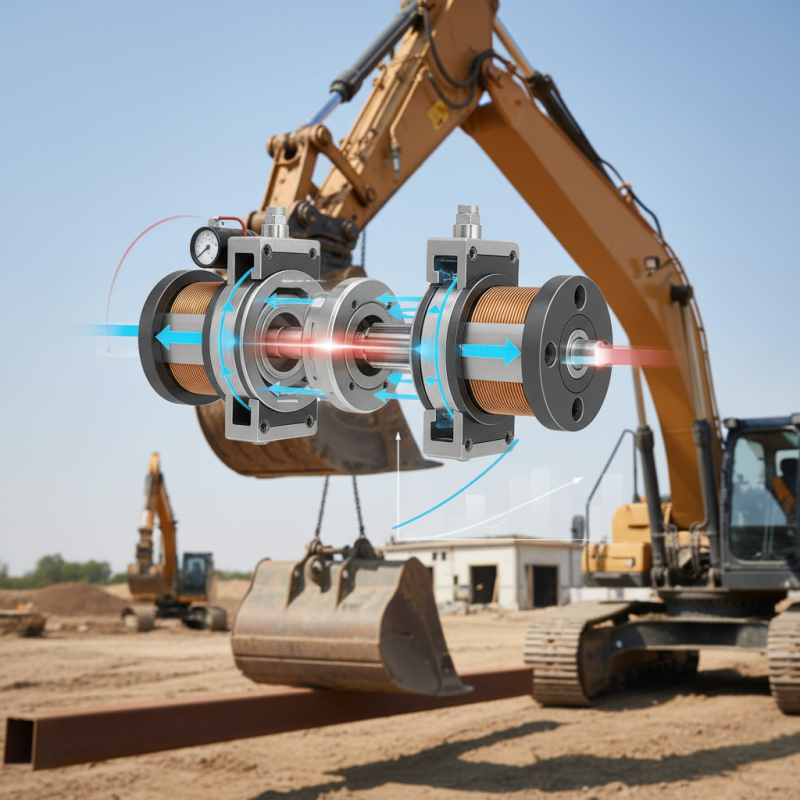
A hydraulic proportional valve is an essential component in fluid power systems. It controls the flow and pressure of hydraulic fluids with precision. These valves enable smooth operation of machinery, enhancing efficiency in various applications, from mobile equipment to industrial machinery.
Hydraulic proportional valves work by adjusting valve positions in response to electrical signals. This proportional control allows for varying flow rates and forces, resulting in better control of hydraulic actuators. Industry reports indicate that the demand for these valves will grow significantly in the coming years, driven by advancements in automation and increased efficiency requirements in manufacturing sectors.
Tips: Always consider the system’s needs before selecting a valve. The wrong choice can lead to inefficiencies. Regular maintenance of these components is crucial. A neglected valve can compromise system performance over time. Pay attention to any signs of wear. Early detection can save costs later.
In conclusion, understanding hydraulic proportional valves amplifies operational efficiency. However, navigating their complexity requires careful consideration. Users should continuously assess their flow requirements and system compatibility. The balance between precision and usability can be challenging, yet vital for optimal performance.
A hydraulic proportional valve is essential in controlling fluid flow. The key components include the solenoid, control spool, and feedback mechanism. Each part plays a crucial role in achieving precise flow regulation.
The solenoid is an electromagnetic component. When activated, it moves the control spool. This movement adjusts the flow rate of the hydraulic fluid. A small change in the solenoid’s current can result in significant changes in flow. It’s fascinating how a tiny adjustment can make a big difference.
The feedback mechanism ensures accurate operation. It measures the spool's position and sends signals to the control system. This feedback helps maintain desired flow levels. However, sometimes the feedback can be delayed, leading to inconsistencies.
Tips:
A hydraulic proportional valve plays a crucial role in fluid power systems. It regulates flow and pressure by using an electrical signal. This allows for precise control of hydraulic actuators. When the valve receives a signal, it adjusts its opening to match the desired flow rate. This functionality enhances overall system efficiency and performance.
Data from industry reports show that proportional valves can improve energy efficiency by 20-30%. This is significant for reducing operational costs in various applications. Achieving the right pressure and flow can greatly influence the performance of machinery. Regular maintenance and proper calibration are necessary to sustain this efficiency.
Tips: Consider installing pressure gauges to monitor system performance. Timely checks can help prevent costly failures. Additionally, ensure the electrical signals are consistent. Inconsistent signals can lead to erratic valve behavior, causing unwanted fluctuations in operation, adversely affecting productivity. Always test the system after making adjustments to confirm optimal performance.
Hydraulic proportional valves play a crucial role in various industries, providing precise control over fluid flow and pressure. These valves adjust the flow rate based on input signals, enabling equipment to operate smoothly and efficiently. According to a 2022 industry report, the global market for hydraulic valves is expected to grow by 5% annually, largely driven by automation needs in multiple sectors.
In manufacturing, hydraulic proportional valves are essential for systems that require accurate movement control. For example, they are widely used in robotic arms. A study revealed that utilizing proportional valves can increase system efficiency by up to 30%. This improved efficiency directly correlates with faster production times. However, not all installations achieve optimal performance due to miscalculations in system design.
In the agriculture sector, these valves enable precise control of machinery, aiding in tasks like planting and harvesting. Reports indicate that farms using hydraulic systems with proportional valves can enhance crop yields by 15%. Still, some operators face challenges in calibrating the valves correctly, leading to inconsistencies in performance. Overcoming these limitations demands ongoing training and knowledge-sharing among industry professionals.
Hydraulic proportional valves are essential in controlling fluid flow. These devices allow for precise adjustments in speed and pressure. This leads to enhanced efficiency in various applications. Industries ranging from manufacturing to construction benefit from their use. The ability to modulate flow according to demand is significant. Operators can achieve smoother motion in hydraulic systems.
One major benefit is energy savings. Traditional valves may waste energy by allowing excess fluid flow. Proportional valves optimize this by adjusting flow dynamically. This responsiveness reduces wear on components, extending their lifespan. Additionally, they improve system responsiveness, making processes more reliable. However, integrating these valves may require initial setup challenges and recalibrations.
Another advantage is increased safety. With precise control, there is less risk of hydraulic shock. This reduces the likelihood of accidents in heavy machinery. Yet, users must ensure that the control systems are adequately trained. If not, operations can become unpredictable. Overall, the benefits of hydraulic proportional valves are clear, but proper implementation is critical.
| Cookie | Duration | Description |
|---|---|---|
| cookielawinfo-checkbox-analytics | 11 months | This cookie is set by GDPR Cookie Consent plugin. The cookie is used to store the user consent for the cookies in the category "Analytics". |
| cookielawinfo-checkbox-functional | 11 months | The cookie is set by GDPR cookie consent to record the user consent for the cookies in the category "Functional". |
| cookielawinfo-checkbox-necessary | 11 months | This cookie is set by GDPR Cookie Consent plugin. The cookies is used to store the user consent for the cookies in the category "Necessary". |
| cookielawinfo-checkbox-others | 11 months | This cookie is set by GDPR Cookie Consent plugin. The cookie is used to store the user consent for the cookies in the category "Other. |
| cookielawinfo-checkbox-performance | 11 months | This cookie is set by GDPR Cookie Consent plugin. The cookie is used to store the user consent for the cookies in the category "Performance". |
| viewed_cookie_policy | 11 months | The cookie is set by the GDPR Cookie Consent plugin and is used to store whether or not user has consented to the use of cookies. It does not store any personal data. |