Get an instant quote
Get in touch Listen to our podcast

Blog

How to Choose Glasgow Mobility Scooters?

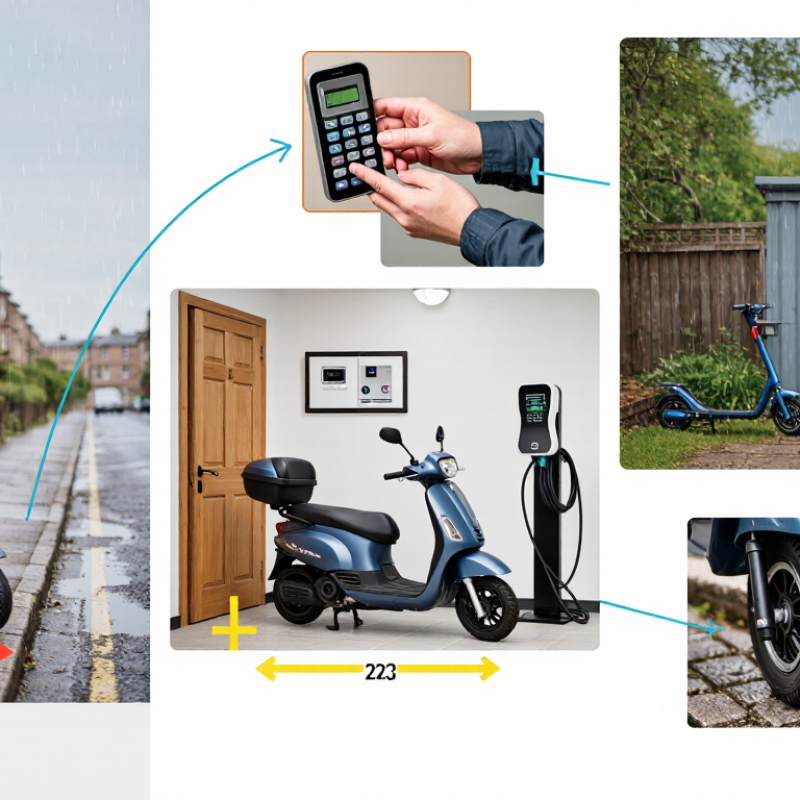
Choosing Glasgow Mobility Scooters is not just about comparing prices or picking a stylish model. It is about matching a scooter to your daily routes, storage space, and confidence behind the controls. A short trip along a smooth pavement differs greatly from a longer journey involving slopes, uneven surfaces, or busy crossings. Small details matter. Measure doorways and storage areas, and consider where the scooter will be charged. Glasgow weather matters, too: ask how the model handles wet conditions and what care its battery needs.

Before publication, add a verified quotation from a named local specialist: “[Insert the expert’s exact, sourced words about choosing a scooter.]” Credit the speaker by name and role, and confirm the wording with them. An invented quotation can mislead readers, so it should not be presented as expert advice.

A careful comparison should cover comfort, turning space, range, controls, and local servicing. Try the scooter in person if possible. Notice whether the seat feels supportive after several minutes, not just during a quick showroom turn. Ask about maintenance, replacement parts, and delivery support. I’ll admit that range figures can look reassuring on paper; hills, load, and battery age may change real-world results. Choose for your ordinary week, not an ideal one. The right fit feels steady, practical, and manageable.
How to Choose Glasgow Mobility Scooters?

Assessing Mobility Needs and Typical Routes in Glasgow

Choosing a mobility scooter in Glasgow starts with an honest picture of daily life. Note how far you usually travel, how long you can sit comfortably, and whether you need space for shopping or a walking aid. Small details matter. Check the scooter’s turning space against your hallway, lift, and usual shop entrance. If balance, pain, or fatigue changes from day to day, discuss your needs with a qualified mobility professional or healthcare practitioner.

Map the routes you actually use, not just the distance between destinations. Glasgow streets can include slopes, uneven paving, dropped kerbs, and busy crossings. A route that looks easy on a map may feel tiring in practice. Test it locally. Notice where you need to stop, whether crossing times feel manageable, and how the scooter handles familiar surfaces. Try the route with your usual bag, too.

Think about rain, storage, and charging before choosing. Wet weather can make outdoor journeys less comfortable, while a scooter stored far from a suitable charging point may be inconvenient. Measure the space where it will be kept. One imperfect assumption is easy to make: choosing for the longest possible trip. In reality, comfort on ordinary journeys may matter more. A supervised trial on representative streets can reveal issues a specification sheet cannot.

Comparing Scooter Types, Range, and Terrain Performance

Choosing a mobility scooter in Glasgow means matching its design to your usual routes. Compact travel scooters are easier to store and manoeuvre in shops, but their smaller wheels may feel less steady on uneven paving. Small wheels can struggle. Mid-size models often balance comfort and portability. Four-wheel scooters generally offer better stability on rougher paths, though they need more turning space.

Tips: Check the stated range, then allow a buffer. Hills, frequent stops, cold weather, passenger weight, and tyre condition can all reduce battery distance. A short test ride on a familiar route is useful.

Think about the ground you actually cross: sloped pavements, dropped kerbs, cobbles, and wet surfaces after rain. Larger wheels and suitable ground clearance may help, but no scooter makes every surface comfortable. A powerful model can still be awkward in a narrow hallway or crowded café. Measure storage and doorway widths, and check the manual for limits on gradients and weather exposure. Range figures can be optimistic; I would not plan a day out around the best-case number alone. If possible, compare models with an occupational therapist or mobility specialist and test them outdoors. My first choice might change after one rough pavement.

How to Choose a Glasgow Mobility Scooter

Typical advertised range per charge varies by model. These indicative ranges are for comparison, not a guarantee of real-world distance.

Terrain matters: Travel scooters are generally best suited to smooth, paved routes. Mid-size and heavy-duty scooters may offer features better suited to uneven paths, but performance depends on the model. In Glasgow, check a scooter’s ground clearance, wheels, suspension, and stated gradient capability, and allow for hills and rough surfaces when planning your range.

Checking Local Access, Storage, and Transport Requirements

How to Choose Glasgow Mobility Scooters?
Checking Local Access, Storage, and Transport Requirements

In Glasgow, check the whole route before choosing a scooter. Measure your close entrance, lift, hallway, and flat doorway, including tight turns. The Department for Transport’s mobility scooter guidance sets maximum dimensions of 1.2 metres long and 0.85 metres wide. These are legal limits, not a promise that a scooter will fit your building. A tenement landing can be narrower than it looks. Measure it.

Storage matters in wet weather. Look for a level, secure space near a power socket, and check whether the scooter’s battery can be charged indoors. Ask your housing provider about shared entrances and fire routes before leaving equipment in communal areas. I would not rely on a quick visual check; I have found that door handles and radiator corners can steal useful clearance.

Tips: Measure the narrowest point, not just the doorway. Check the folded or dismantled dimensions if you need to lift the scooter into a car. For buses or trains, ask the operator about scooter acceptance, ramp access, and turning space before travelling. Transport arrangements vary, so confirm directly. A short test route in your own area can reveal steep kerbs, uneven paving, and awkward crossings.

How to Choose Glasgow Mobility Scooters? - Checking Local Access, Storage, and Transport Requirements

Decision area What to check in Glasgow Useful measurement or fact Practical next step
Route and pavement access Check the usual routes to shops, appointments, and nearby services for pavement width, surface condition, street furniture, and dropped kerbs. There is no single scooter width that fits every route. Compare the scooter’s published overall width with the narrowest points on your regular journey. Measure tight sections and doorways, and try the route where possible before choosing a scooter.
Kerbs and slopes Consider kerb transitions, ramps, uneven paving, and gradients on routes you expect to use. Check the scooter manufacturer’s limits for gradients and kerb height. Capabilities differ between models; do not assume a scooter can safely manage a particular slope or kerb from its appearance alone. Ask for a supervised demonstration on representative surfaces and follow the model’s operating guidance.
Indoor manoeuvring Check entrances, hallways, lifts, and turning areas at home and at frequently visited destinations. Measure the narrowest clear opening and turning space, then compare them with the scooter’s width and turning circle listed in its specifications. Allow room to approach doors and turn safely; confirm access arrangements with venues when details are unclear.
Home storage Identify a secure, dry, and accessible parking area that does not obstruct an exit or shared access route. Check the scooter’s overall length and width, plus enough clearance to park, transfer, and reach the controls comfortably. Measure the proposed storage space and check building or landlord rules before arranging storage in a shared area.
Charging and battery care Confirm that a suitable power outlet is available where the scooter will be stored and charged. Charging time and battery-care requirements vary by model and battery type. Use the supplied charger and follow the manufacturer’s charging, storage, and maintenance instructions.
Car transport Check whether the scooter will fit in the vehicle and whether it needs to be folded or dismantled for loading. Compare the scooter’s packed or component dimensions and weight with the vehicle’s boot opening, boot space, and safe lifting capacity. Test-load the scooter before purchase. Consider a suitable vehicle loading solution if lifting would be difficult.
Bus or other public transport Check the relevant operator’s current rules, space availability, and any scooter assessment or permit requirements before travelling. Acceptance can depend on the scooter’s size, design, and the operator’s policy; do not assume every scooter is permitted. Contact the operator in advance and confirm the requirements for the routes you expect to use.
Scooter class and legal use Match the scooter class to your intended journeys and check the rules for using it on pavements and roads in Great Britain. Class 2 scooters are limited to 4 mph and are intended for pavement use. Class 3 scooters can travel up to 8 mph on roads and 4 mph on pavements; Class 3 scooters must be registered with the DVLA. Check current official guidance and the scooter’s classification before buying or using it on public routes.
Weather and everyday use Consider exposure to rain, cold, and outdoor storage on the routes and at the destinations you use regularly. Weather protection and operating limits vary by model; check the manufacturer’s guidance rather than assuming a scooter is weatherproof. Plan suitable storage and ask about safe operating conditions, cleaning, and routine checks.

Planning note: Measurements and operator policies vary. Verify the scooter’s specifications, current travel rules, and access arrangements for your own home and regular Glasgow destinations before making a choice.

Evaluating Comfort, Safety, and Accessibility Features

How to Choose Glasgow Mobility Scooters?

Comfort and safety become clear during a real test, not from a specification sheet alone. Sit for several minutes and check whether the seat supports your back and allows an easy transfer. Can you reach the tiller without leaning? Small details matter. Test turning in a tight space, then try a gentle slope if possible. A showroom cannot reproduce every Glasgow pavement, especially in wet weather.

Check that the brakes respond predictably and that lights, indicators, tyres, and mirrors suit your usual journeys. Controls should be easy to understand and operate, even with gloves. Try mounting and dismounting without rushing. A scooter that feels stable on smooth flooring may behave differently over uneven paving or a kerb ramp. Test it loaded. That can reveal a problem you might otherwise miss.

Accessibility includes more than the scooter itself. Consider where you can store and charge it, whether it fits through your door, and how you will manage public transport or appointments. The WHO and UNICEF’s 2022 Global Report on Assistive Technology estimates that 2.5 billion people need at least one assistive product worldwide, with the figure projected to reach 3.5 billion by 2050. WHO’s 2023 disability fact sheet estimates 1.3 billion people experience significant disability. These are broad access figures, not scooter-specific findings, but they underline why fit and everyday usability deserve careful attention. A perfect checklist still cannot predict every journey.

Reviewing Costs, Servicing, and Glasgow Supplier Support

Choosing a mobility scooter in Glasgow means looking beyond its advertised price. Ask for a written quote covering delivery, setup, batteries, and any accessories you need. A lower purchase cost can become less attractive if replacement batteries or routine checks are expensive. Get the details in writing.

Think about where you will ride. Rain, uneven paving, kerbs, and sloped streets can affect comfort and battery use. Ask a supplier to explain suitable servicing intervals and which checks you can do at home.

These may include inspecting tyres, keeping battery contacts clean, and checking the charger for damage. Follow the manual, not guesswork.

Servicing costs vary, so request an estimate before committing. It is easy to overlook transport costs if the scooter needs workshop repairs.

Local support matters when something goes wrong. Check whether the supplier offers home visits across your part of Glasgow, how quickly repairs are usually arranged, and whether a loan scooter is available. Clarify warranty exclusions and who pays for collection.

If possible, arrange a test drive on a route with a gentle slope and ordinary pavement. A showroom floor cannot reveal every handling issue.

I would also ask who to contact after purchase; that detail is often less clear than it should be.

CNC machining CAD export file formats

Put your parts in production today

Get an instant quote