2026 How to Choose the Right 2 Pin Female Connector Plug?
Choosing the right 2 Pin Female Connector Plug can impact your electronic projects significantly. This small but crucial component connects wires in various devices, ensuring power flows smoothly. In a market filled with options, it's vital to understand specific requirements. Each plug type serves unique purposes, affecting functionality and safety.
Quality matters when selecting a 2 Pin Female Connector Plug. Inferior connectors can lead to short circuits or device failures. Reliability is key. Look for plugs with durable materials and proper insulation to ensure longevity. Additionally, compatibility with your equipment is essential. Double-check specifications to prevent potential mismatches.
Consider your project's unique needs. Some applications require higher voltage tolerance, while others prioritize compact size. Poor choices can lead to inefficiencies. Reflect on your options before finalizing your decision, as thoughtful selection contributes significantly to your overall success.
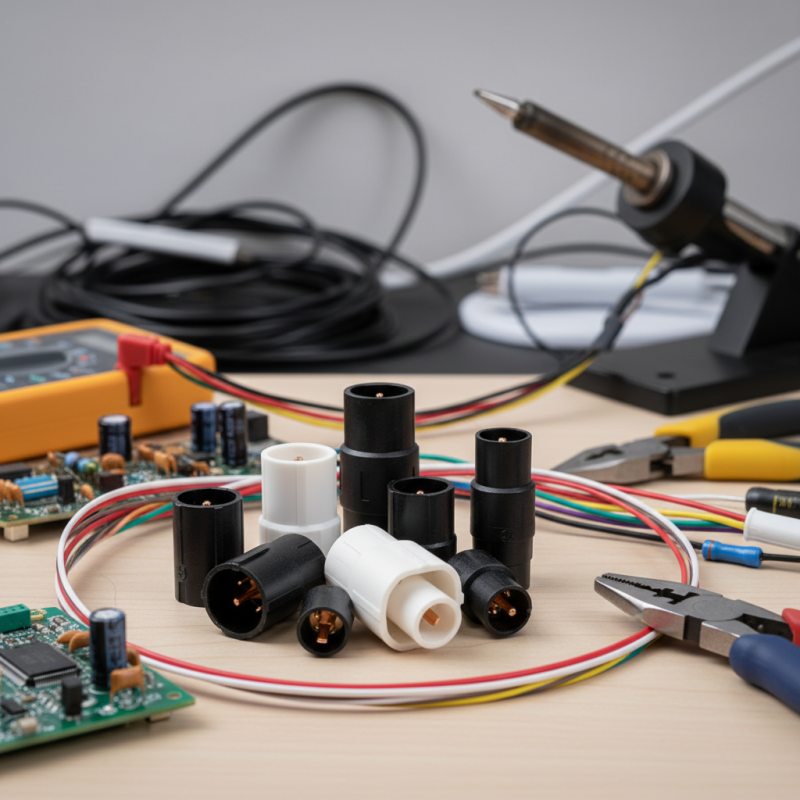
Understanding 2 Pin Female Connectors: Types and Applications
When selecting a 2 pin female connector, understanding the various types and their applications is crucial. The most common types include screw terminal connectors, PCB connectors, and waterproof connectors. Each type serves a distinct purpose and excels in specific environments. For instance, waterproof connectors are essential for outdoor applications or in high-moisture areas, while screw terminal connectors are favored in industrial settings for their reliability.
According to industry data, the demand for 2 pin connectors is projected to grow steadily, driven by the increasing need for reliable electrical connections in consumer electronics and automotive systems. Reports indicate that improper connector choices can lead to device failures, adding unexpected costs and safety risks. Thus, understanding the specific requirements of your project is essential.
Tip: Evaluate the voltage and current specifications before making a choice. Ensure that your selected connector can handle the required load.
Another important consideration is the operating environment. If the connector is exposed to harsh conditions, choose materials that offer better durability. This may require compromises on initial costs.
Tip: Always verify if the connector meets industry standards for quality. For instance, UL and CSA certifications can help ensure reliability.
Key Factors to Consider When Selecting a 2 Pin Female Connector
Choosing the right 2 pin female connector plug requires careful consideration of several key factors. The gauge of the wire is crucial. A thicker wire can handle more current. Ensure the wire gauge matches the connector specifications. Not meeting these requirements can lead to overheating and failure.
Environmental factors also play a significant role. Will the connector be exposed to moisture or dust? Look for connectors with suitable IP ratings. This ensures they are protected from the elements. Many users overlook this, which can result in premature wear.
Compatibility is another critical factor. Check the mating connector type. It must ensure a snug fit. A loose connection can cause signal loss or interruptions. Also, consider the usage scenario. A connector used in a high-vibration environment may need additional locking features. Reflecting on these aspects will lead to a more informed choice.
Material and Durability: Choosing the Right Connector for Your Needs
When selecting a 2 pin female connector plug, material and durability are crucial factors. Connectors made from high-quality plastic or metal can withstand wear and tear. Plastic connectors are lightweight but may not be the most robust choice. Metal connectors offer better strength and resilience, but they can be heavier and more costly.
Consider the environment where the connector will be used. In outdoor settings, look for connectors with weather-resistant materials. These connectors should resist moisture, UV radiation, and temperature fluctuations. Industrial applications may demand connectors that endure chemical exposure. Therefore, understanding the specific needs can guide you to the right material.
While aesthetics might also play a role, functionality should come first. A connector that looks great but fails to perform under stress can lead to frustration. It is important to reflect on past experiences. Have you faced issues with connectors? An informed choice can prevent future problems, ensuring reliable connections over time.
Electrical Specifications: Voltage and Current Ratings Explained
When selecting a 2 pin female connector plug, understanding electrical specifications is crucial. Voltage and current ratings determine how well these connectors perform under varying conditions. Each connector is designed to handle specific voltage levels. Exceeding these limits can lead to failures. It's vital to match the connector to your project's requirements.
Current rating is equally significant. This rating indicates how much current the connector can safely carry. If the current surpasses the rating, wires can overheat. Overheating may cause potential damage. Therefore, assessing both voltage and current ratings ensures safety and functionality.
Investigating the specifications also involves reflection. Not all connectors are made equal; some cheaper options may not meet necessary standards. It’s essential to verify the reliability of the product. Researching manufacturer literature helps identify trustworthy sources. Yet, even within trusted lines, customizable factors can lead to mismatched expectations. Always consider your specific use case and environment when making a choice.
2026 How to Choose the Right 2 Pin Female Connector Plug?
Installation Tips for Proper Use of 2 Pin Female Connectors
When installing 2 pin female connectors, the fit and orientation matter greatly. The pins should align correctly. Check if the connector securely attaches to the counterpart. A loose connection can lead to poor performance. Ensure all wiring is stripped properly. Stripping too much can cause short circuits.
Also, consider the environment where the connector will be used. If it's outdoors, use connectors that resist moisture. If indoors, ensure they're rated for your specific applications. Regularly inspect these connections for signs of wear or damage. Neglecting this can result in failure over time. Adequate training in proper installation can help reduce errors.
Don't rush the installation process. It's essential to take your time and double-check each connection. Mistakes can be costly and time-consuming to fix. Documenting your installation steps can help identify areas for improvement. Learning from experience will enhance future projects.


