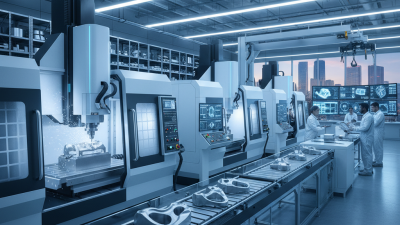
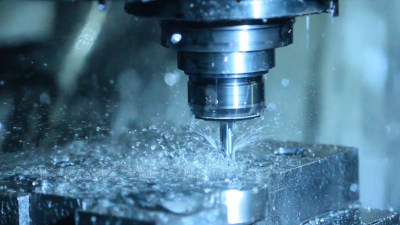
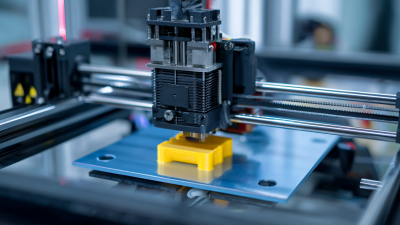
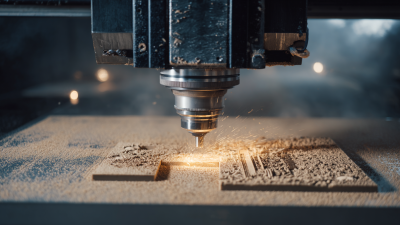
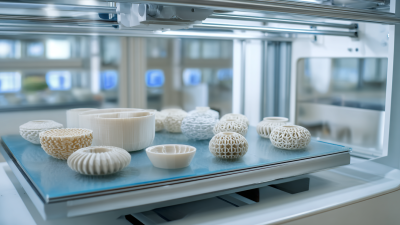
In the fast-evolving world of CNC prototyping, achieving success requires both expertise and innovation. Renowned industry expert Dr. Emily Chen emphasizes, "Precision and adaptability are key in CNC prototyping." This statement highlights the importance of technical skill and the ability to pivot quickly in this competitive landscape.
CNC prototyping is not just about creating parts; it's about understanding materials, processes, and designs deeply. Many teams face common pitfalls, such as miscalculating tolerances and underestimating production times. These issues can lead to costly delays and unsatisfactory prototypes. Identifying these mistakes early can save valuable resources and enhance final outcomes.
Navigating the complexities of CNC prototyping demands a proactive approach. Integrating feedback and iterating designs is essential. Embracing both successes and failures leads to a more robust understanding of the prototyping journey, ultimately promoting growth and improvement.
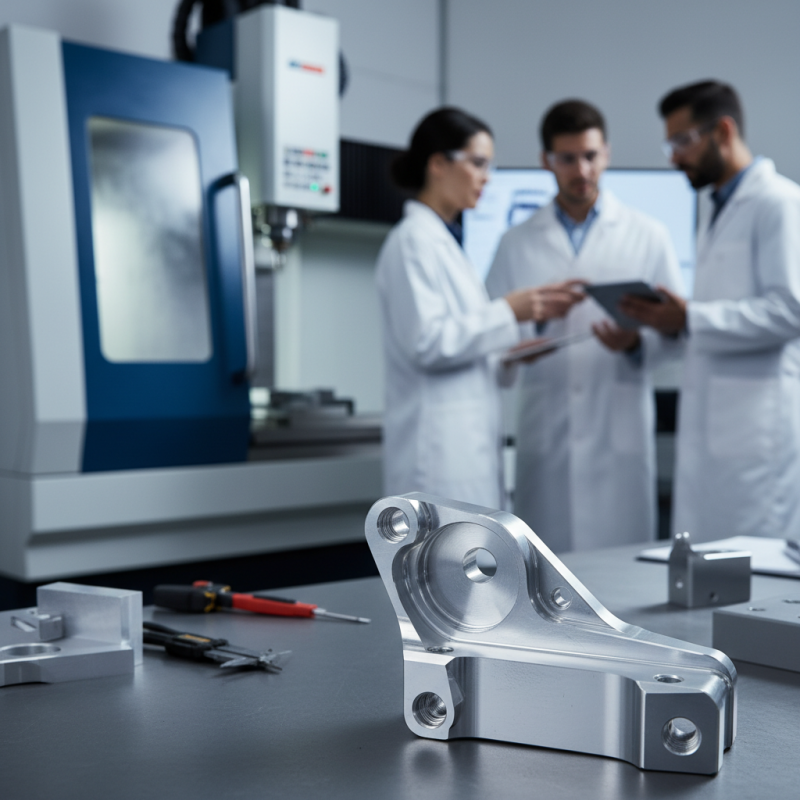
CNC prototyping serves as a vital step in product development. Understanding its basics can significantly elevate your design process.
Computer Numerical Control (CNC) uses pre-programmed software to control machinery. This technology allows for high precision in creating prototypes from various materials.
Metals, plastics, and composites are commonly used. Each material presents unique challenges and possibilities.
Prototyping with CNC requires careful planning and design. A 3D model is essential to guide the CNC machine accurately. This model should consider tolerances and material properties.
Small inaccuracies in design can lead to larger problems in the final product. Frequent revisions may be necessary. It’s not uncommon for the first prototype to have flaws. Learning from these mistakes is a crucial part of the process.
Moreover, selecting the right tools and settings is important. Different cutters and speeds can impact the quality of the prototype.
Testing the setup is wise before starting the actual run. Each CNC machine has its quirks and learning these can save time.
Collaboration with experienced operators can provide valuable insights. Always remain open to feedback while engaging in the CNC prototyping journey.
These experiences shape better designs and refine skills.
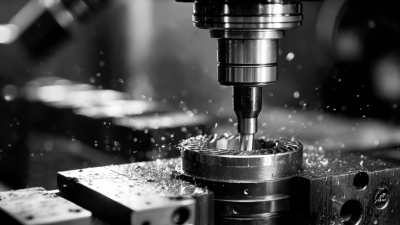
Choosing the right materials for CNC prototyping projects can significantly impact the final outcome. It's crucial to understand the properties of various materials. Different projects may require strength, flexibility, or heat resistance. Selecting the appropriate material can affect both functionality and aesthetics.
For metallic prototypes, aluminum is often favored. It offers a good balance of weight and strength. However, it's essential to note that aluminum can be challenging to machine if not properly prepared. For projects requiring intricate details, plastics like ABS and nylon can be ideal. They are easier to mill and provide excellent surface finishes. Keep in mind that while they offer flexibility, they might lack the durability of metals.
Remember to evaluate the cost-effectiveness of your material choice. Some materials can be expensive and may not justify their benefits for smaller runs. Look for a material that meets your technical needs without overspending. Experimenting with sample pieces can also help identify the right fit. Mistakes can happen, but they often lead to valuable insights for future prototypes. This iterative process is part of achieving a successful CNC project.
When designing for CNC prototyping, there are key considerations that can significantly enhance your outcomes. Begin with simple geometric shapes. Complex designs can lead to manufacturing challenges. It's better to start simple and iterate.
Tip: Always optimize your design for the CNC machine you’re using. Know its capabilities and limits. Each machine may operate differently, affecting your part's accuracy and finish.
Consider material selection early in the design process. Different materials behave uniquely during CNC machining. Understanding how your material will be cut helps avoid mistakes.
Tip: Monitor tool wear and machine settings frequently. If you notice inconsistent results, it's worth reflecting on tool condition. Regular checks can save you time and resources in the long run.
Always be prepared to adjust your approach as needed. Each prototype is a learning opportunity, not just a finished product.
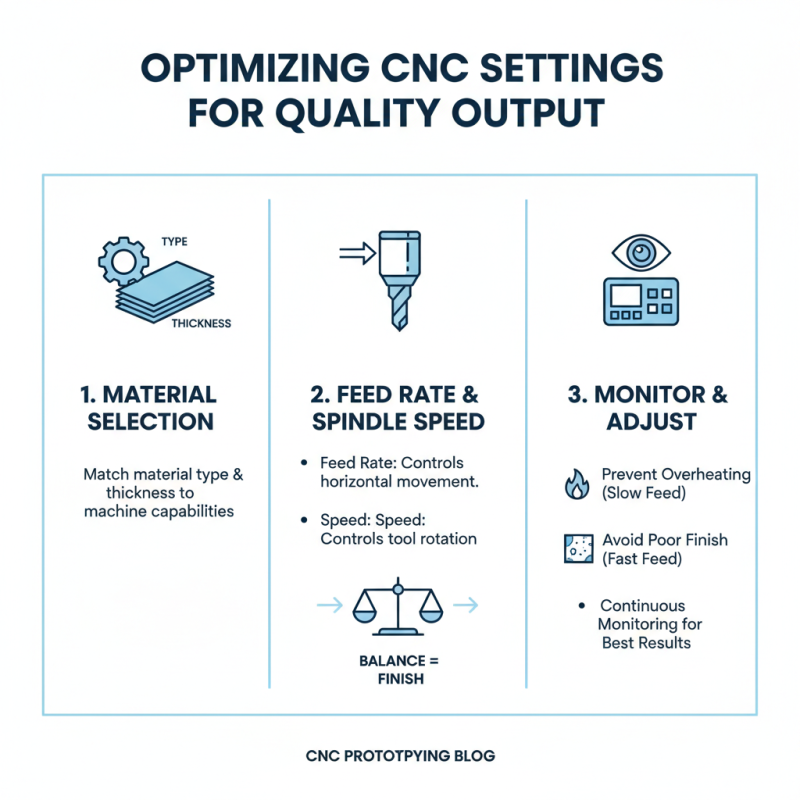
Optimizing CNC machine settings is crucial for achieving quality output in prototyping. Start by selecting the right material type and thickness. Different materials require specific feed rates and spindle speeds. Monitor these settings closely to prevent issues during machining. A slow feed rate can result in overheating, while a fast rate might cause poor surface finish. Balancing these factors is essential.
Pay attention to tool selection as well. A dull tool can affect precision and lead to errors. Regularly inspect and replace tools when necessary. Additionally, calibration is a key step. Many overlook this, but calibration impacts everything from dimensions to surface quality. Ensure your CNC machine is calibrated frequently to maintain accuracy.
Do not forget about tooling paths. Make sure they are optimized for the material and design complexity. Complicated paths might slow down production. Sometimes, trying a simpler approach leads to better results. Remember, small mistakes can lead to significant issues in the final product. Regular reflection on your settings and outcomes fosters improvement in your CNC prototyping process.
Prototyping with CNC technology offers immense potential for innovation. However, simply creating a prototype is not enough. Testing and iterating are crucial for success. When testing, gather feedback early and often. Understanding the areas needing improvement can refine your design significantly.
Tip: Utilize digital simulations before physical prototyping. This can help identify design flaws without wasting materials. Engaging users during this phase can unveil insights that may not be apparent during initial design stages. Feedback drives refinement, ensuring that each iteration brings you closer to your final goal.
Iterate based on the feedback collected. Consider adjusting your CNC settings or design elements. It’s normal for your first prototype to have flaws. Embrace these imperfections. They’re stepping stones to a successful final product. Continuous refinement is essential. Make each prototype a little better than the last.
This bar chart represents the importance level of various aspects in CNC prototyping. Each factor is rated on a scale from 1 to 10, where a higher score indicates greater importance for successful prototyping and iteration.
| Cookie | Duration | Description |
|---|---|---|
| cookielawinfo-checkbox-analytics | 11 months | This cookie is set by GDPR Cookie Consent plugin. The cookie is used to store the user consent for the cookies in the category "Analytics". |
| cookielawinfo-checkbox-functional | 11 months | The cookie is set by GDPR cookie consent to record the user consent for the cookies in the category "Functional". |
| cookielawinfo-checkbox-necessary | 11 months | This cookie is set by GDPR Cookie Consent plugin. The cookies is used to store the user consent for the cookies in the category "Necessary". |
| cookielawinfo-checkbox-others | 11 months | This cookie is set by GDPR Cookie Consent plugin. The cookie is used to store the user consent for the cookies in the category "Other. |
| cookielawinfo-checkbox-performance | 11 months | This cookie is set by GDPR Cookie Consent plugin. The cookie is used to store the user consent for the cookies in the category "Performance". |
| viewed_cookie_policy | 11 months | The cookie is set by the GDPR Cookie Consent plugin and is used to store whether or not user has consented to the use of cookies. It does not store any personal data. |