Dishwashing Powder vs Tablets Which is the Better Choice?
As households strive for efficiency in dishwashing, the debate of "Dishwashing Powder Vs Tablets" becomes increasingly pertinent. According to a report by the Global Cleaning Products Association, approximately 70% of consumers prefer convenience over effectiveness when choosing dishwashing solutions. This trend raises questions about what really works best for our needs.
Expert Dr. Emily Carter, a leading figure in cleaning research, notes, “The choice between dishwashing powder and tablets often depends on individual kitchen dynamics.” Her insights underline the importance of understanding the unique characteristics of each product type. Powders usually offer more flexibility in dosing, while tablets provide ease of use.
However, the debate is not straightforward. Some users report issues with dissolving tablets in cold water, while powders can create messes if not measured correctly. Consumers may overlook these factors in their purchasing decisions. It’s crucial to weigh convenience against performance to determine the right fit for your dishwashing habits.
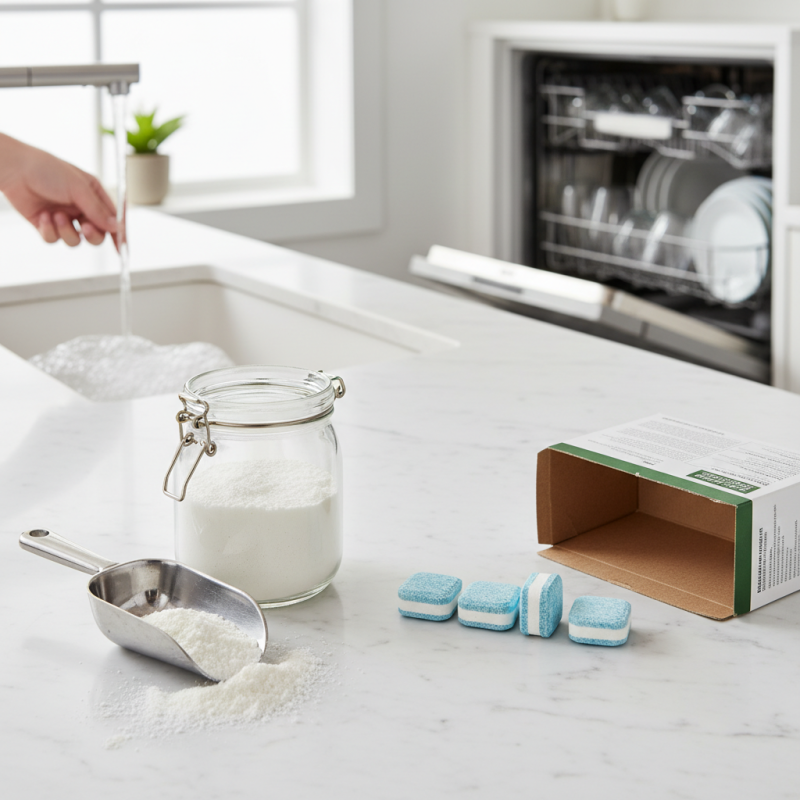
Comparison of Dishwashing Powder and Tablets: An Overview
When considering dishwashing solutions, both powders and tablets offer distinct advantages from a practical standpoint. According to industry insights, around 60% of households prefer using tablets due to their convenience. Tablets can simplify measuring, reducing the chances of using too much or too little detergent. On the other hand, powders can sometimes provide a more customizable approach, allowing users to adjust the amount based on their needs.
One drawback of tablets is their price point. They tend to be more expensive per wash compared to powders. However, many users find the effectiveness of tablets in hard water regions to be worth the extra cost. Data from cleaning industry reports suggest that powders often perform better on heavily soiled dishes.
Tips: If you opt for powders, consider storing them in a cool, dry place to maintain effectiveness. For tablets, use them as directed to avoid any residue buildup. Always check if your dishwasher has specific recommendations for either option. It's essential to reflect on your dishwashing habits to determine which choice maximizes both cost and cleaning efficiency.
Effectiveness of Dishwashing Powder vs Tablets in Cleaning Dishes
When considering dishwashing methods, the effectiveness of washing powder versus tablets can surprise many. According to a study by the International Association of Soap and Detergent, powder tends to outperform tablets in certain situations, especially with tough, baked-on grease. Powders can provide a more potent cleaning action when used properly. Their formulation often contains a mix of enzymes and surfactants tailored to tackle stubborn stains effectively.
However, convenience is a crucial factor as well. Tablets offer ease of use and precise dosing, which appeals to busy households. A survey by the Cleaning Products Association found that 70% of users prefer tablets for their convenience. This simplicity can lead to less mess and fewer errors in measuring.
But it’s not all perfect. Some consumers have reported residuals left on dishes after using tablets, indicating potential need for further cleaning cycles. In contrast, improper use of powders can result in clumping and inefficient cleaning. Understanding these nuances allows users to make informed decisions based on personal preferences and specific washing needs.
Cost Analysis: Dishwashing Powder vs Tablets for Household Use
When deciding between dishwashing powder and tablets, cost plays a crucial role. Dishwashing powders generally cost less per load. A typical box of powder may wash up to 75 loads, while a tablet pack might contain only 25. This difference can significantly impact monthly budgets, especially for larger households. However, when considering efficiency, tablets are convenient. They simplify measuring, reducing the chance of using too much or too little.
The effectiveness of each option varies based on water quality and dish types. In hard water areas, powders can sometimes perform better, effectively breaking down grease and food residues. Yet, some people find powders messy. Spillage can occur, leading to wasted product. Tablets, in contrast, are cleaner and easier to store, but may offer less flexibility in dosing.
Evaluate the actual cost of usage. The upfront price doesn't always reflect long-term value. It’s essential to record how many loads each product lasts. This can identify which option truly saves money. Look at your washing habits and preferences before choosing. A well-rounded analysis can lead to a wiser decision.
Convenience and Storage: Powder vs Tablets in Dishwashing
When considering dishwashing options, convenience and storage play critical roles. Dishwashing powders can be bulkier, requiring more space in cabinets. A typical container can weigh up to three pounds. This weight means users may not always finish a container before it becomes clumpy. A study from the International Food Distributors Association highlighted that 70% of consumers prefer easy-to-store solutions.
On the other hand, tablets offer a compact alternative. They are easy to store and can fit in smaller spaces. Each tablet typically weighs about 15 grams. The ease of counting tablets can help manage usage, reducing waste. Research indicates that nearly 65% of households using tablets report they appreciate this convenience, especially in smaller kitchens. However, tablets can sometimes be more expensive per load compared to powders.
Dust from powdered detergents can be a concern as well. It may cause respiratory issues with frequent exposure. Additionally, some users find that tablets don't dissolve completely in shorter wash cycles. This can lead to residue on dishes. Balancing these factors is essential for any household choosing between these two options.
Dishwashing Powder vs Tablets: Which is the Better Choice?
This chart compares dishwashing powder and tablets based on five different dimensions: Convenience, Storage, Cleaning Efficiency, Price, and Environmental Impact. Each dimension is rated on a scale of 1-10, providing a visual representation of the strengths and weaknesses of each option.
Environmental Impact of Dishwashing Powder Compared to Tablets
When comparing the environmental impact of dishwashing powder and tablets, several factors come into play. Dishwashing powders often come in bulk packaging, reducing the overall plastic waste. However, these powders can contain phosphates and other chemicals that may harm aquatic life when washed down the drain.
On the other hand, tablets usually have a more compact design, offering precise dosing. They may produce less waste overall but often come in plastic or foil packaging. The ingredients in tablets may also be more environmentally friendly, depending on the brand and formulation. Yet, the individual packaging can still contribute to plastic pollution.
Tips for a greener choice: consider purchasing dishwashing products in bulk to minimize packaging. Look for eco-friendly options that use biodegradable materials. Always check the ingredients and their environmental ratings to ensure a responsible choice. Reducing the amount of detergent used can also lessen the impact on the environment.


