What is a Direct Attach Cable and Its Benefits for Procurement?
In recent years, the use of Direct Attach Cables (DACs) has surged, driven by advancements in data center technology. According to a report by MarketsandMarkets, the global DAC market is expected to grow at a CAGR of 11.4%, as organizations seek cost-effective solutions for high-speed data transmission. DACs offer a simple and reliable way to connect networking devices, minimizing latency and energy consumption.
Expert in the networking field, Dr. Emily Chen, emphasizes the importance of DACs for procurement strategies. She states, "Direct Attach Cables are reshaping connectivity, enabling faster and more efficient data center operations." Organizations are reevaluating their procurement processes to leverage the benefits of DACs. They provide an effective alternative to traditional fiber optic cables, particularly in short-distance applications.
While DACs offer numerous advantages, challenges remain. Compatibility with existing infrastructure and the right deployment strategies must be considered. Thus, while organizations look to harness the benefits, careful planning is essential to avoid potential pitfalls. In a rapidly evolving landscape, understanding the implications of using Direct Attach Cables is crucial for future-proofing data centers.
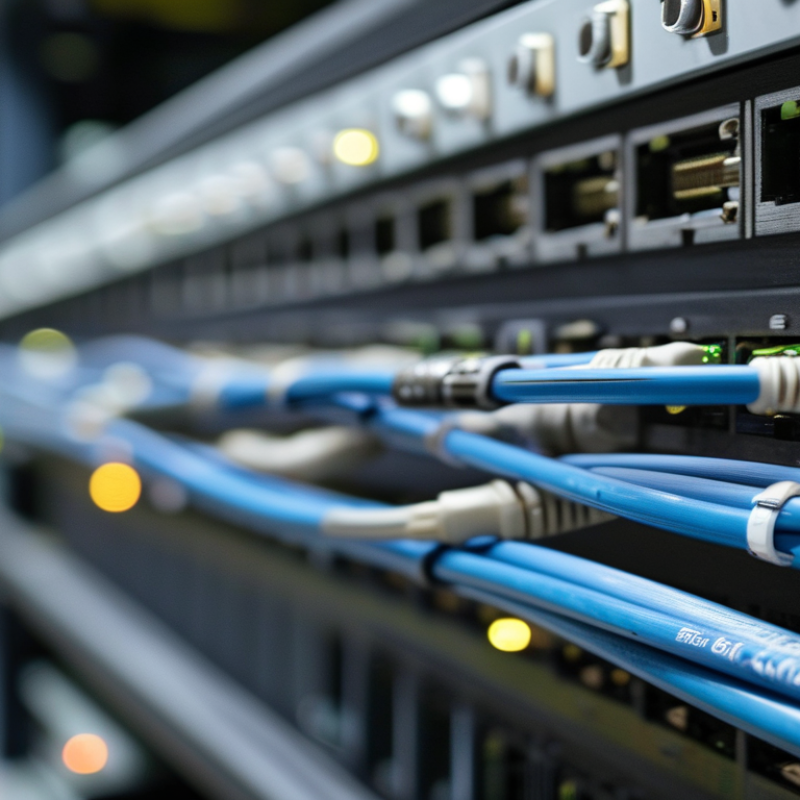
Understanding Direct Attach Cables: Definition and Types
Direct Attach Cables (DACs) are essential for modern data centers and network infrastructures. These cables provide a direct connection between switches, servers, and storage systems. They typically come in two types: passive and active. Passive DACs are cost-effective for short distances, while active DACs support longer connections and higher data rates. Their adaptability makes them valuable assets in high-speed network applications.
The global market for Direct Attach Cables has seen significant growth. According to a recent report by industry analysts, the market is projected to reach $3 billion by 2025, growing at a CAGR of 10%. This surge is driven by the increasing demand for data center efficiency and high-speed connectivity. DACs offer low latency and reduced power consumption, which aligns with sustainable practices in technology.
Despite their benefits, DACs may present challenges in large environments. For instance, network layout versatility can be limited. They may not always be suitable for extensive cable runs, as signal integrity can degrade over distance. Additionally, compatibility issues with certain hardware may arise. A careful assessment is essential to maximize their utility in various setups.
Key Components of Direct Attach Cables and Their Functionality
Direct Attach Cables (DACs) play a crucial role in data centers. These cables connect devices like switches and servers. They use copper or active optical technology. This technology ensures high-speed data transmission with minimal latency. According to a recent report from the Data Center Alliance, DACs provide bandwidths that reach up to 100 Gbps over short distances, making them ideal for high-performance computing.
The key components of DACs include connectors, cables, and transceivers. Connectors, often SFP+ or QSFP+, ensure compatibility with various devices. The copper cabling used in DACs is flexible and cost-effective. Active optical DACs, on the other hand, offer better performance over longer distances. The choice between copper and optical can depend on specific use cases. Each type has its pros and cons. For instance, copper cables may face signal degradation over longer runs. Users must consider their operational environment when selecting DACs.
DACs also offer procurement benefits. Their simplicity reduces installation time. A report by the International Data Corporation highlights that adoption of DACs can lead to a 20% reduction in overall infrastructure costs. However, organizations should be aware of potential limitations. Compatibility issues can arise with older devices. Decision-makers need to evaluate the specific needs of their network before investing. This strategic approach reinforces the importance of understanding the functionality of DACs in procurement decisions.
Benefits of Using Direct Attach Cables in Procurement Processes
Direct Attach Cables (DACs) are becoming essential in procurement processes. These cables provide a cost-effective solution for connecting switches and servers. Their design allows for higher data rates over short distances. Companies can save on both installation and maintenance.
Using DACs in procurement offers several advantages. They are lightweight and easy to install, reducing setup times. Unlike traditional cabling, they minimize clutter, leading to cleaner workspaces. This can enhance productivity and streamline operations. Businesses also report fewer connectivity issues, which means less downtime.
Despite their benefits, DACs may not suit every scenario. Their limited range can be a drawback in larger setups. Organizations should evaluate their specific needs before choosing DACs. It's crucial to balance cost with performance for optimal results. Making informed decisions will lead to better procurement strategies.
What is a Direct Attach Cable and Its Benefits for Procurement?
| Dimension | Description | Benefit |
| Cost Savings | Direct Attach Cables (DACs) are typically more cost-effective than traditional fiber optic cables. | Reduced procurement costs and budget efficiency. |
| Installation Simplicity | Easy to install with plug-and-play capabilities, simplifying the cabling process. | Faster setup times and minimized installation errors. |
| Performance | DACs offer low latency and high bandwidth, suitable for high-performance computing. | Enhanced system performance and data transfer rates. |
| Energy Efficiency | Lower power consumption compared to traditional fiber solutions. | Long-term energy savings and reduced operational costs. |
| Compact Design | Smaller and more flexible than fiber optic cables, ideal for dense environments. | Space-saving benefits and improved airflow in data centers. |
Cost-Effectiveness of Direct Attach Cables Compared to Other Solutions
Direct Attach Cables (DACs) are gaining traction in today’s data centers. Their simplicity and efficiency make them an attractive option for procurement teams. Unlike traditional networking cables, DACs provide a direct connection between devices. This decreases latency and enhances performance in high-speed data transfer environments.
Cost-effectiveness is one of DACs' significant advantages over other solutions, such as fiber optics. DACs usually cost less to purchase and install. They don't require separate transceivers, which reduces overall expenses. Additionally, they consume less power, leading to savings on energy bills. For organizations aiming to maximize their budgets, DACs represent a smart investment.
However, it’s essential to consider their limitations. DACs are often best suited for shorter distances, typically within 7 meters. Beyond this range, performance may degrade. Some users may struggle with compatibility across different devices. Each installation presents unique challenges that need reflection and careful planning. Recognizing these aspects can guide procurement agencies in making well-informed decisions.
Best Practices for Selecting and Using Direct Attach Cables in Enterprises
Choosing the right direct attach cables (DAC) can significantly impact enterprise networks. With the rising demand for data transfer speeds, DACs have become essential in high-performance environments. According to industry reports, about 70% of enterprises now use DACs for their data centers due to their cost-effectiveness and low latency. Proper selection can enhance connectivity while reducing overhead costs.
When selecting DACs, consider cable length and compatibility with your hardware. Most DACs offer a range of lengths, typically from 0.5 meters to 5 meters, to suit various setups. If a cable is too long, it can introduce latency, leading to performance issues. Also, many enterprises overlook connector types. Mismatched connectors might lead to unexpected downtime or network inefficiencies. Regular assessments of existing cables are necessary to ensure optimal performance.
Implementation is crucial for maximizing DAC benefits. Ensure proper installation to avoid physical strain on cables. Frequent checks for wear and tear will help prevent failure. Yet, organizations often neglect these routine inspections. Adopting best practices in both selection and use promotes a reliable networking environment, contributing to overall operational efficiency.


