What Is the Cost of a Tyre Pyrolysis Plant? The answer depends on more than the reactor’s quoted price. Processing capacity, batch or continuous operation, automation, and the intended product-handling setup can all change the investment. A compact plant and a higher-capacity line are not directly comparable. That gap matters.
A realistic budget should also account for tyre preparation, feeding and discharge equipment, emissions-control systems, electrical work, installation, and site utilities. Picture the project on the ground: a reactor, control cabinets, pipework, storage tanks, and space for trucks to unload tyres. These details can add substantial costs beyond the main equipment. Not just steel. Transport, commissioning, operator training, and ongoing maintenance deserve attention too.
For transparency, the following is an illustrative quotation from a fictional plant-cost specialist, Daniel Reed—not a verified statement from a real industry expert: “A plant’s price is only the starting point; the full cost is shaped by what the site needs to run reliably.” That is a useful way to frame Tyre Pyrolysis Plant Cost, but it is not a substitute for a project-specific quotation. One weak point in many early estimates is the assumption that every site has suitable power, access, and foundations ready. Often, it does not. This guide examines the main cost components, explains which project details influence supplier quotes, and highlights questions to ask before comparing offers. The numbers deserve scrutiny; a neat headline price can hide a messy scope.
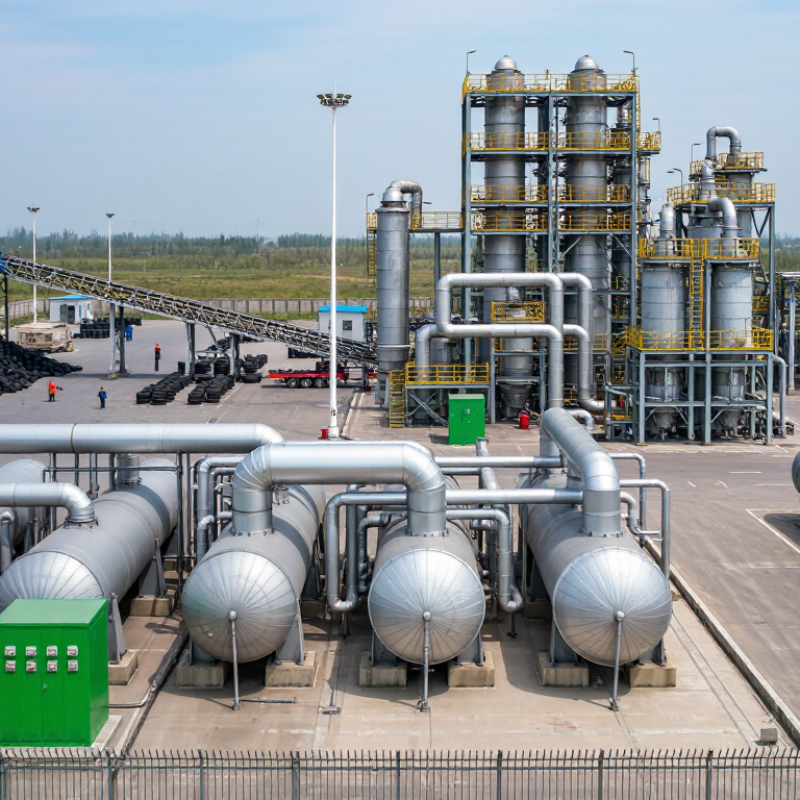
The cost depends on plant capacity, process design, and what the quotation includes. A small batch system may cost far less than a continuous industrial line. Equipment is only part of the budget. Tyre preparation, emission controls, installation, electrical work, and commissioning can add substantial expense. Even freight and concrete foundations matter.
Request a breakdown for equipment, site work, utilities, and ongoing maintenance. Also confirm how capacity is measured: actual tyre input can differ from a supplier’s headline figure. Budget for spare parts and planned downtime, not just the purchase price. A neat spreadsheet can still miss costs; I would leave room for contingencies and verify assumptions with an independent engineer. Prices vary by location and specifications, so treat any online figure as a starting point, not a firm estimate.
Plant capacity is a major price driver, but costs rarely rise in a simple straight line. A larger line needs a bigger reactor and stronger feeding, cooling, and material-handling systems. It may also need more floor space and installation work.
The European Tyre and Rubber Manufacturers’ Association reported about 3.4 million tonnes of end-of-life tyres generated in Europe in 2021. That scale of feedstock matters, but local supply and transport costs determine whether a proposed plant size is practical.
Bigger is not always better.
Technology choices shape the initial investment. Batch systems may involve lower equipment complexity, while continuous systems can require more automation and tighter process control. Feed preparation, oil condensation, gas cleaning, steel-wire removal, and emissions controls also affect the equipment list.
Small details add up.
A quote that excludes site preparation or pollution-control equipment can look attractive, then become misleading. Compare offers using the same rated daily capacity, feedstock condition, and included scope. Ask for independently checked throughput and product-yield data, not just a headline price. Even then, estimates deserve caution: real feedstock varies, and operating conditions can change performance.
A tyre pyrolysis plant’s quoted equipment price is only one part of the investment. The core package may include a tyre cutter or shredder, a reactor, feeding and discharge systems, and equipment for separating steel and collecting carbon-rich char. Condensers, oil storage tanks, gas piping, cooling units, and control panels also affect the total. Small items add up.
Installation costs depend heavily on the site. A level concrete foundation, structural supports, electrical cabling, process piping, and safe access routes may be required. Budget for lifting equipment, transport, assembly labor, commissioning, and operator training. If the site needs a transformer, drainage improvements, or extra fire-safety equipment, costs can rise. These details are easy to underestimate. Ask suppliers to clarify what their quotation excludes, and compare the same equipment scope across offers.
Tips: Request an itemized list separating machinery, installation, and site work. Check whether commissioning and initial spare parts are included. Visit a comparable operating facility if possible; drawings do not reveal every maintenance challenge. Leave room in the budget for changes. Real sites rarely match the first plan exactly.
Once a tyre pyrolysis plant is running, its purchase price is only part of the cost. Owners should budget for electricity, fuel, water, and the labor needed to operate and maintain equipment. Actual utility use depends on plant design, operating hours, and how efficiently heat is recovered. Track meter readings during trial runs; estimates made before commissioning can miss real-world variation.
Labor costs include more than the control-room operator. Staff may need to inspect conveyors, clear feedstock jams, check seals, and handle routine cleaning. Replacement parts also add up: bearings, filters, pumps, and heat-resistant components wear at different rates. Keep a small stock of critical spares. It ties up cash, but waiting for a part can cost more.
Budget for monitoring instruments, safety supplies, insurance, and the handling or disposal of process residues. Maintenance shutdowns can reduce production, while inconsistent feedstock may increase sorting and preparation work. These costs are easy to underestimate. Review invoices and downtime logs each month, then compare them with output per operating hour. The first budget will probably be imperfect; revise it using measured plant data, not optimistic supplier assumptions.
A tyre pyrolysis plant’s quoted price rarely equals its full investment. Capacity matters, but so do tyre preparation, site conditions, utilities, and product handling. The U.S. Tire Manufacturers Association’s 2023 Scrap Tire Management Report estimates that about 268 million scrap tyres were generated in the United States in 2021. That figure signals potential feedstock scale, not guaranteed local supply. Transport distance and competing buyers can change operating costs sharply.
A small line may need less equipment, yet still require shredders, conveyors, storage, and reliable emissions-control systems. Larger reactors can lower unit costs, but often need heavier foundations, more power, and more complex material handling. Ask whether quotes include installation, commissioning, laboratory testing, and spare parts. A pipe, a sensor, a control panel: these are easy to overlook. They are not always cheap.
The site itself can shift the budget. Existing power connections, road access, drainage, and fire-safety infrastructure may reduce construction work; a remote plot can add it back. Product quality requirements also affect equipment and testing needs. The USTMA report tracks scrap-tyre volumes, not pyrolysis-plant capital costs, so it cannot verify a vendor’s price. I would question any estimate that gives one neat total without listing exclusions. Some uncertainty remains, even after a careful quote.
Indicative installed-investment ranges by plant capacity (USD millions)
These are broad planning estimates, not supplier quotations. Actual costs depend on throughput, batch or continuous operation, reactor design, emissions-control requirements, automation, installation location, and the scope of civil works and utilities. Land, taxes, financing, and working capital may not be included.
| Cookie | Duration | Description |
|---|---|---|
| cookielawinfo-checkbox-analytics | 11 months | This cookie is set by GDPR Cookie Consent plugin. The cookie is used to store the user consent for the cookies in the category "Analytics". |
| cookielawinfo-checkbox-functional | 11 months | The cookie is set by GDPR cookie consent to record the user consent for the cookies in the category "Functional". |
| cookielawinfo-checkbox-necessary | 11 months | This cookie is set by GDPR Cookie Consent plugin. The cookies is used to store the user consent for the cookies in the category "Necessary". |
| cookielawinfo-checkbox-others | 11 months | This cookie is set by GDPR Cookie Consent plugin. The cookie is used to store the user consent for the cookies in the category "Other. |
| cookielawinfo-checkbox-performance | 11 months | This cookie is set by GDPR Cookie Consent plugin. The cookie is used to store the user consent for the cookies in the category "Performance". |
| viewed_cookie_policy | 11 months | The cookie is set by the GDPR Cookie Consent plugin and is used to store whether or not user has consented to the use of cookies. It does not store any personal data. |