What Is a Core Drilling Rig and How Does It Work?
A Core Drilling Rig cuts a narrow cylinder from rock, soil, or concrete while preserving a sample for inspection. That sample, called a core, can reveal layers hidden beneath the surface. The rig’s frame holds a rotating drill string, while a hollow core bit grinds around the sample rather than crushing its center. Water or drilling fluid often cools the bit and carries cuttings away. The result depends on more than power. Bit selection, alignment, rotation speed, and steady feed pressure all matter.
In the field, operators watch the rig as closely as the rock. A change in vibration, sound, or water flow can signal trouble. Small clues matter. As [verified expert name] puts it, “[Insert a directly sourced quotation about core drilling or sample recovery].” Add a named expert and exact quotation only after confirming the source; invented attributions weaken trust. The basic principle is clear: controlled cutting helps protect the core. Too much pressure may damage the sample or wear the bit faster. Too little can slow progress. There is no single setting for every site. This guide explains the rig’s main components, how drilling works, and what operators consider when choosing equipment. It also notes a practical limitation: even careful drilling may produce broken or incomplete cores when ground conditions change. That uncertainty is part of the work.
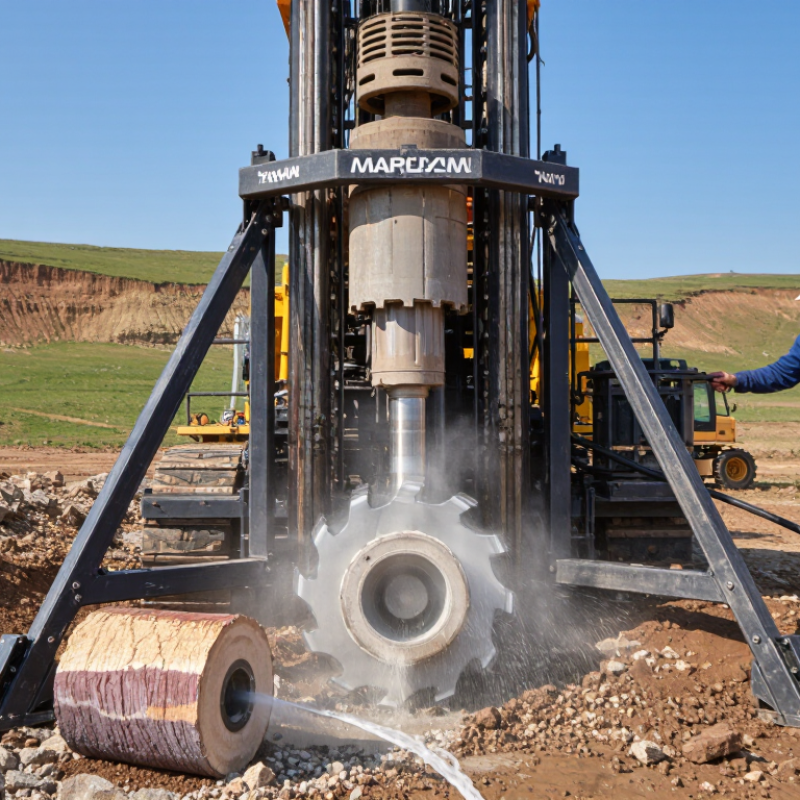
Core Drilling Rig: Definition and Purpose
A core drilling rig is a machine that cuts a narrow cylinder of rock while leaving much of its sequence intact. A hollow diamond or carbide bit grinds around the sample; a core barrel catches it as drill rods advance. The rig supplies rotation and pressure, while drilling fluid cools the bit and helps carry loose cuttings upward. The result is a physical record of underground layers, not just a hole.
Its purpose is to let geologists examine rock type, fractures, alteration, and mineralization at known depths. Samples can also be logged, measured, and sent for laboratory assays. The core is narrow. It may miss local variation, and broken or poorly recovered sections can complicate interpretation. Core alone does not establish a deposit’s quality; sampling methods, assay results, and geological context matter.
The need for reliable subsurface evidence is reflected in exploration activity. S&P Global Market Intelligence’s 2024 World Exploration Trends report put the global nonferrous exploration budget at about US$12.5 billion, up 12% from 2023. That figure is not a measure of core drilling itself, but it shows the scale of investment in finding and evaluating resources. A rig’s value is practical: it brings a small, traceable piece of the subsurface to the surface for careful examination.
Key Components of a Core Drilling Rig
What Is a Core Drilling Rig and How Does It Work?
Key Components of a Core Drilling Rig
A core drilling rig cuts a cylindrical sample from rock, concrete, or other solid material. Its main parts work together to keep the bit aligned and manage cutting forces. The frame or mast supports the drill head and guides its travel. A motor turns the spindle, which transfers rotation to the core barrel and its diamond-tipped bit. The barrel’s hollow center preserves a sample for inspection. Simple, but not effortless.
A stable base matters as much as motor power. Anchors or a vacuum base hold the rig in place, while the feed handle or powered feed advances the bit at a controlled rate. Water channels deliver coolant to the cutting face, reducing heat and carrying away slurry. A clutch or overload protection may help limit damage if the bit binds. The setup varies with material, hole diameter, and site conditions. A neat equipment diagram cannot show every vibration or uneven surface.
Tips: Check that the frame is secure, the bit suits the material, and water reaches the cutting edge before drilling. Keep hands clear of rotating parts, and stop if the rig shifts or the bit stalls. Small alignment errors can spoil a sample. Inspect the barrel and connections after use, too.
How the Rig Cuts Through Rock
A core drilling rig cuts an annular groove, not a full hole-sized plug. A hollow drill string spins a diamond-impregnated bit against the rock. The diamonds grind the narrow ring as controlled feed pressure keeps the bit engaged. Rock remains inside the ring as a cylindrical core, which enters the inner barrel. Water flows down the string to cool the bit and carry fine cuttings back up the borehole. You can often hear changes in the drilling rhythm before they show clearly in the readings.
Cutting conditions change with each formation. Hard, abrasive rock can wear the bit quickly; fractured rock may loosen the core or cause poor recovery. The driller adjusts rotation, feed pressure, and water flow by watching torque, vibration, and the returning water. Small changes matter. ASTM D6032/D6032M’s rock-quality designation method counts sound core pieces at least 100 millimetres long, then compares their combined length with the core run. That measurement helps describe the recovered material, but it cannot capture every break caused during drilling or handling. Field records need that caveat.
How Core Samples Are Collected and Retrieved
A core drilling rig cuts a narrow cylinder of rock rather than grinding away the entire borehole bottom. A hollow barrel sits behind the cutting bit, leaving space for the sample to enter as the rig rotates. Water or drilling fluid may cool the bit and carry loose cuttings upward. The sample itself stays inside the barrel. That distinction matters.
When the barrel fills, drilling pauses so the core can be brought to the surface. Some rigs retrieve an inner tube through the drill rods; others require the rods and barrel to be pulled out. The method depends on the rig and ground conditions. On the surface, a crew removes the core carefully, lays it in a tray, and records its depth and order.
Labels matter. A misplaced section can confuse later interpretation. Crews may photograph, measure, and protect the core before transport. Recovery is not always complete: fractured rock can break apart, wash away, or remain in the hole. Even a neat-looking cylinder may not represent every layer equally, so drilling notes and recovery percentages help explain what the sample can—and cannot—show.
Types of Core Drilling Rigs and Their Uses
A core drilling rig cuts a circular path through concrete, rock, or other dense material, leaving a cylindrical sample called a core. A hollow barrel holds a diamond-tipped bit, while the rig applies steady rotation and pressure. Water may cool the bit and carry away fine debris. On a concrete job, an operator might collect water in a tray and check the core for cracks or reinforcement. Small details matter.
Handheld rigs suit smaller holes in walls, floors, and masonry, especially where access is tight. They are portable, but holding one steady takes care. Stand-mounted rigs anchor to a surface and guide the bit along a fixed line. They are useful for deeper, wider, or more precise openings, such as service penetrations in a concrete slab. Geological work often calls for larger surface or underground rigs that recover rock samples for examination. Some use wireline systems, which retrieve the core without removing the entire drill string. Each setup has trade-offs: a portable rig may be convenient, while a heavy rig needs more room and careful setup. Choosing by material, hole size, access, and sample quality is more reliable than choosing by power alone.


