How to Choose Vaping Sensors for Your Facility?
Choosing Vaping Sensors is not just a matter of comparing product specifications. A reliable system should fit the rooms, airflow patterns, and response procedures in your facility. A sensor mounted near a supply vent may behave differently from one placed in a quiet washroom or changing area. Placement matters.
Indoor-air-quality researcher Richard L. Corsi has emphasized the importance of understanding how air moves through real spaces. A useful guide to his systems-based approach is: “Measure the room, not just the device.” This is an editorial paraphrase, not a verbatim quotation. It captures a practical point: sensor readings need context.
Look for clear information about detection methods, coverage, calibration, alerts, and ongoing maintenance. Ask how the system performs in rooms with changing ventilation, humidity, or everyday aerosols. Request documentation, not just a confident sales claim. Check whether alerts can be reviewed by authorized staff and handled consistently. Privacy matters, too; choose monitoring that avoids unnecessary recording or identification. Keep the process transparent.
No sensor is perfect. Some conditions can cause missed events or false alerts, and a dashboard cannot replace thoughtful facility procedures. Test proposed devices in representative spaces before expanding deployment. Record where units are installed, review alert patterns, and revisit placement when room use changes. Small details count. The right Vaping Sensors should provide useful, understandable signals that help staff respond calmly and improve indoor conditions—not promise certainty.
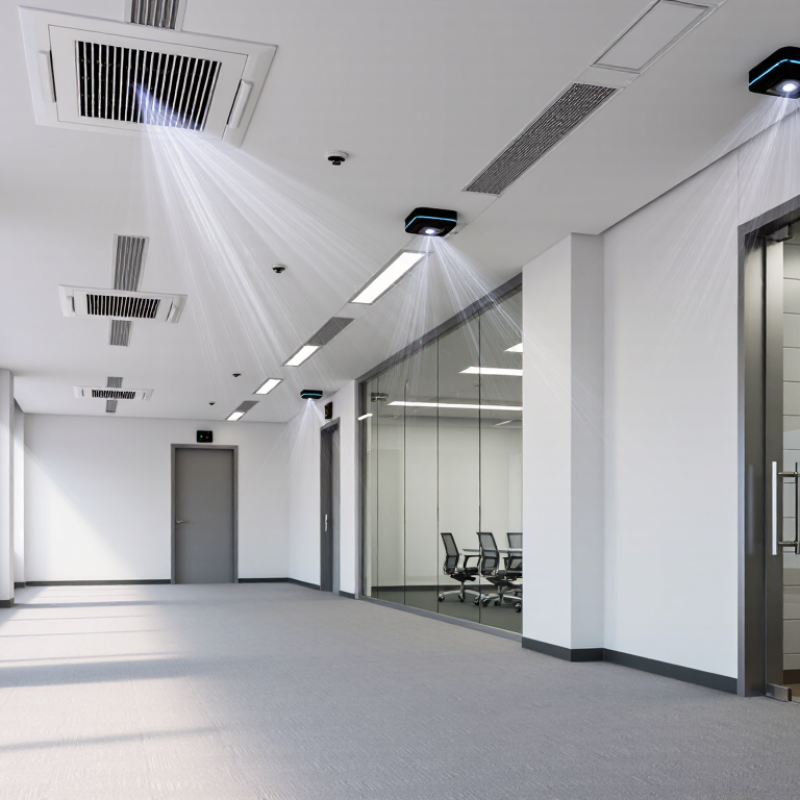
What Vaping Sensors Detect and How They Work
How to Choose Vaping Sensors for Your Facility?
What Vaping Sensors Detect and How They Work
Vaping sensors do not “see” a device; they detect changes in the air. Optical particle sensors shine light through a sample and measure scattered light, estimating airborne particle levels. Some units also track volatile organic compounds (VOCs), humidity, or temperature. Together, these signals can flag a sudden aerosol-like event. But they cannot identify its source with certainty. Cooking, cleaning sprays, steam, and dust can produce similar readings. Not a fingerprint.
The CDC’s 2023 National Youth Tobacco Survey estimated 2.13 million current e-cigarette users among U.S. middle and high school students. That is population context, not a room-level measurement. The EPA’s Air Sensor Guidebook stresses evaluating sensor performance and interpreting readings in context.
Place sensors near likely breathing zones, but away from supply vents, windows, humidifiers, and cooking areas. Airflow can dilute or carry aerosol before a sensor samples it.
Paired particle and gas signals may improve detection, but thresholds need local testing. Sensor outputs are estimates, not laboratory-grade chemical identification. A false alert is still a design lesson.
How to Assess Vaping Risks and Coverage Needs
Assess vaping risk by looking at how each space is used, not simply by counting rooms. A restroom near a busy gym entrance may need closer attention than a large, rarely used storage area. Review incident reports, occupancy patterns, ventilation, and places where people can remain unseen. Ask facilities staff what they have observed during different shifts. Their notes may reveal patterns that floor plans miss. No single indicator proves a problem.
Tips: Map entrances, restrooms, locker areas, and quiet corridors. Mark airflow outlets and sensor power access. Compare coverage with actual foot traffic, then revisit the map after schedule changes. A sensor blocked by a beam or placed beside a strong air vent may provide misleading readings.
Choose coverage based on risk, not a uniform grid. Place units where airflow and room layout support reliable sampling, while avoiding direct exposure to showers, steam, or cleaning sprays. These can cause confusing readings. Check installation guidance, test alerts during normal building conditions, and document adjustments. Sensors indicate airborne changes; they do not identify a person or explain the source. Review alerts alongside staff observations before responding. Coverage is never perfect. A pilot in one busy area can expose blind spots, though the results may still need rethinking.
Which Sensor Technologies and Specifications to Compare
A useful comparison starts with the signal each sensor measures. Optical particle sensors detect changes in airborne particles, which can help identify a brief aerosol plume near a doorway. However, steam from a shower or dust from maintenance may trigger similar readings. VOC sensors measure selected gases, but cleaning products and fresh paint can also affect them. No single signal tells the whole story.
Look closely at response time, detection range, and false-alarm performance. A fast sensor may react within seconds, yet still miss a plume outside its effective coverage. Check whether the stated range assumes open air or a specific room layout. Ceiling height matters. So do vents, fans, and air returns. Combined particle, gas, temperature, and humidity readings can provide useful context, though they may increase setup and maintenance needs.
Ask how often the device needs calibration and what happens when readings drift. Review alert delays, data logging, and integration with existing building systems. Test placement in busy rooms and near airflow changes, not just in a quiet office. Use controlled, benign test conditions recommended by the supplier. Record nuisance alerts over several weeks. That evidence may challenge your first choice—and it should.
How to Evaluate Installation, Integration, and Privacy
A vaping sensor should be assessed at the actual installation point, not just from a product sheet. Walk the rooms and note airflow, ceiling height, vents, and likely sources of false alarms. A sensor near a supply vent may miss a changing plume; one beside a shower may trigger unnecessarily. Ask the installer to document coverage, calibration, alert delay, and test results. Then test alerts during normal building use. Imperfect results are possible. That is worth planning for.
Check whether alerts can connect to existing building dashboards or require a separate system. Confirm who can view event logs and how long they remain available. Avoid collecting audio or video when event detection is the goal. The 2024 Data Breach Investigations Report found that human involvement featured in 68% of breaches; the figure is not specific to facility sensors, but it underscores the need for access controls. A 2024 global data-breach cost report put the average breach cost at $4.88 million. Treat that as broad context, not a forecast for your site. NIST’s Privacy Framework can guide data minimization and access reviews. Be explicit with staff about what is recorded, and revisit the policy after a pilot. The first layout may need changing.


