How to Choose a Tokimec Equivalent Pump?
Choosing a Tokimec Equivalent Pump is not simply a matter of matching a model number. A replacement must suit the machine, the hydraulic circuit, and the conditions where it will run. A pump that looks right on a bench may still deliver the wrong flow, pressure, or rotation direction. Small mismatches can mean noisy operation, excess heat, or poor machine response.
For transparency, the following is an illustrative quotation from a fictional specialist, not a verified industry source: “Match the operating conditions before you match the nameplate.” — Alex Morgan, fictional hydraulic pump-selection specialist. The principle is useful, but the details matter. Check the original pump’s displacement, rated pressure, shaft and mounting dimensions, port locations, rotation, and control type. Then compare the replacement’s duty cycle and fluid requirements with the equipment manufacturer’s specifications. Take clear photographs of the nameplate, shaft, and ports. Record how the machine behaves under load, too. Real evidence helps.
There is no perfect shortcut. Some legacy specifications are incomplete, and catalog descriptions can leave important differences unclear. Treat a claimed Tokimec Equivalent Pump as a candidate, not a confirmed fit. Ask the supplier to verify compatibility against the original part number and application data. If dimensions or operating limits remain uncertain, pause before installation. A careful check now is less costly than discovering the mismatch after the system is running.
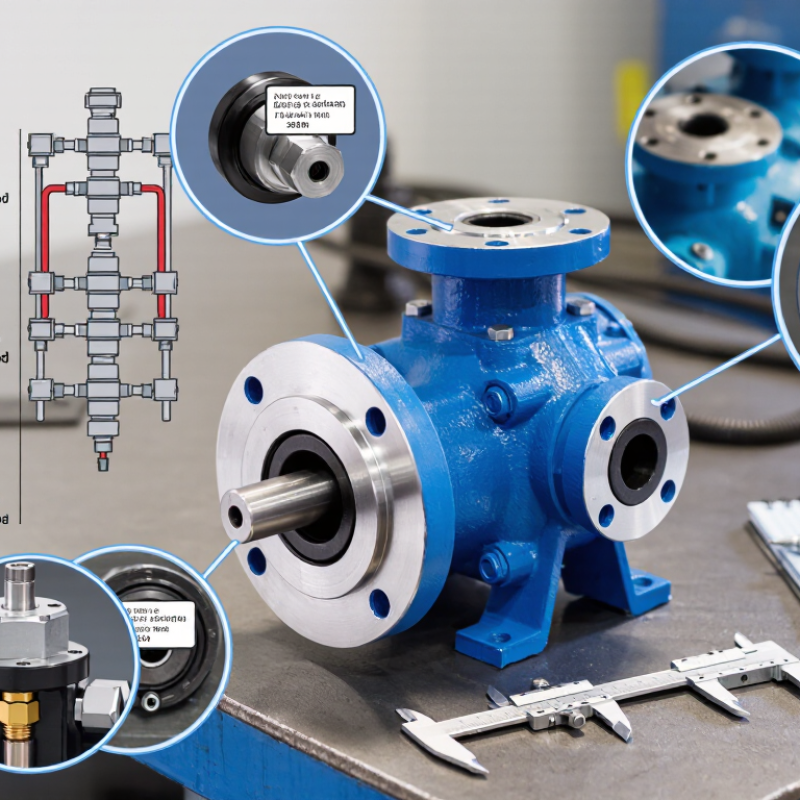
Identify the Tokimec Pump Model and Its Key Specifications
Record the complete model code, series, and suffix from the pump nameplate. A suffix may identify rotation, shaft style, port layout, or control type. Then note displacement in cm³/rev, rated pressure, speed range, mounting dimensions, and shaft measurements. Check rotation from the specified viewing position; guessing can reverse the required direction. Small details matter.
Compare these figures with the machine’s actual operating conditions, not only the old pump’s maximum rating. Confirm continuous pressure, peak pressure, required flow, and fluid type. The U.S. Department of Energy’s Improving Pumping System Performance sourcebook reports that pumping systems use nearly 20% of global electricity and 25–50% of energy in some industrial operations. Those figures describe systems, not one replacement, but they show why correct flow and operating-point matching matters. The Hydraulic Institute’s Pump Life Cycle Costs guide also identifies energy, maintenance, and downtime as lifecycle considerations.
ISO 4409:2019 sets methods for testing and presenting steady-state performance of positive-displacement pumps. Compare test results only when speed, pressure, and fluid conditions are reasonably aligned. A worn nameplate can leave uncertainty; record it instead of silently assuming a match. Do not guess. Ask for dimensional drawings and performance data, then check port positions and mounting fit before installation.
How to Choose an Equivalent Pump: Identify the Model and Key Specifications
Compare displacement and flow first. The chart shows theoretical flow at a fixed speed of 1,500 rpm, calculated as displacement × speed ÷ 1,000. When selecting an equivalent pump, also verify rated pressure, rotation, mounting dimensions, shaft, port locations, and control type against the original pump.
Illustrative generic displacement options; theoretical flow does not account for volumetric losses and is not a pump rating.
Define the Operating Conditions of the Hydraulic System
Before choosing an equivalent pump, record the system’s real flow and pressure requirements. Use gauge readings during normal operation, not only the design sheet. Note the minimum and peak flow, operating pressure, motor speed, and hours per day. Also identify the fluid, its viscosity, temperature, and any entrained air. These details affect displacement, sealing, and heat generation.
Small details matter.
Check the machine through a full work cycle. A press may need high pressure briefly, while a mobile circuit may face frequent speed changes and shock loads. Record relief-valve settings and pressure losses across hoses and filters. The U.S. Department of Energy’s 2006 Improving Pumping System Performance: A Sourcebook for Industry estimates that pumping systems use nearly 20% of global electricity, and 25–50% of energy in some industrial operations. That figure concerns pumping systems broadly, not one hydraulic circuit, but it shows why duty conditions matter.
Measure, don’t guess. A pressure reading taken at idle can mislead; repeat it under load, and note the oil temperature. Field notes are imperfect, so verify unusual readings before specifying the pump.
Compare Candidate Pumps by Performance and Compatibility
A suitable equivalent pump must match the duty point, not just the nameplate flow. Compare each candidate’s performance curve against required flow and total head, including the actual operating speed. Check the curve around the expected duty point, not only at its best-efficiency point. A small mismatch can mean unstable operation, excess power use, or poor performance when demand changes. Small details matter.
The U.S. Department of Energy’s Improving Pumping System Performance sourcebook estimates that pumping systems account for nearly 20% of global electricity demand. That figure is a useful reminder: compare input power and efficiency at your real operating conditions, not just at a catalog’s ideal point. Then verify fluid viscosity and temperature, materials, seal type, shaft dimensions, rotation, mounting, and port positions. A pump may fit the pipework and still fail the duty.
Ask suppliers for certified performance data and test conditions; ISO 9906 provides a framework for acceptance testing. Compare tolerances and confirm that the proposed curve covers your flow range. Check clearances with a ruler and photograph the existing connections before ordering. A tidy spreadsheet helps, but field measurements can expose what a catalog misses. I would still treat old nameplate data cautiously; it may not describe today’s system.
Verify Mounting, Connections, and Fluid Requirements
A reliable equivalent starts with physical fit, not a similar-looking housing. Measure the mounting flange, pilot diameter, bolt pattern, shaft diameter, and key or spline. Confirm the shaft rotation direction from the manufacturer’s stated viewing position. Check inlet and outlet locations, port thread, and sealing method; a port that almost fits can still leak or restrict flow. Small differences matter.
Then verify operating conditions. Match displacement, flow, pressure, and speed, and compare fluid viscosity at actual startup and operating temperatures. Check seal compatibility and the required cleanliness level.
ISO 4406:2021 expresses hydraulic-fluid cleanliness with three particle-count codes, covering particles at or above 4, 6, and 14 micrometres. Use a fluid sample and particle-count report rather than judging oil by appearance.
One detail is easy to miss: cold oil can be far thicker than the same fluid at operating temperature. The U.S. Department of Energy’s Improving Pumping System Performance sourcebook reports that pumping systems can consume 25–50% of electricity in some industrial facilities. That makes a careful match worthwhile. A checklist helps, but it cannot replace checking the actual machine.
Assess Quality, Support, and Long-Term Availability
When selecting a pump equivalent, compare the operating conditions, not just the model label. Check flow rate, pressure, fluid temperature, viscosity, and duty cycle against the machine’s actual requirements. A unit that matches the mounting dimensions may still perform poorly if its displacement or pressure range differs. Small details matter. Review material specifications and tolerances, and ask for test records or inspection criteria. A clean datasheet helps, but it cannot answer every question.
Support quality becomes clear when information is incomplete. Ask whether technical staff can review your system data and explain any differences in performance. Confirm that installation guidance, troubleshooting steps, and replacement-part details are available in writing. Response time matters during a breakdown, but accurate advice matters more. A fast answer that skips the operating context may create extra work. It is tempting to treat a supplier’s confidence as proof; it isn’t.
Long-term availability deserves the same attention as initial fit. Request realistic lead times, parts availability, and notice practices for design changes. Check whether seals and other wear items can be sourced separately, rather than replacing a complete assembly. Keep the comparison notes with maintenance records, including the measured pressure and flow after installation. One thing is easy to overlook: actual performance can differ from estimates. Recheck it under normal load, and document what you find.


