Get an instant quote
Get in touch Listen to our podcast

Blog

How to Choose the Right Knife Disconnect Switch for Your Needs?

Choosing the right Knife Disconnect Switch involves understanding your specific needs. According to industry expert John Smith, “Selecting a quality knife disconnect switch can prevent electrical failures.” This highlights the importance of making an informed choice.

A Knife Disconnect Switch is vital for electrical safety. It isolates equipment for maintenance and ensures that power is shut off during repairs. However, not all switches are created equal. Factors like voltage rating, current capacity, and installation space play a significant role in selection.

When evaluating options, consider the environment too. Will the switch be exposed to dust, moisture, or extreme temperatures? Reflecting on these details is crucial. It’s not just about functionality; it’s also about reliability and safety. A knife disconnect switch must meet your specific operational criteria. Missing the mark can lead to safety hazards and costly downtimes. Be thoughtful in your decision-making process.
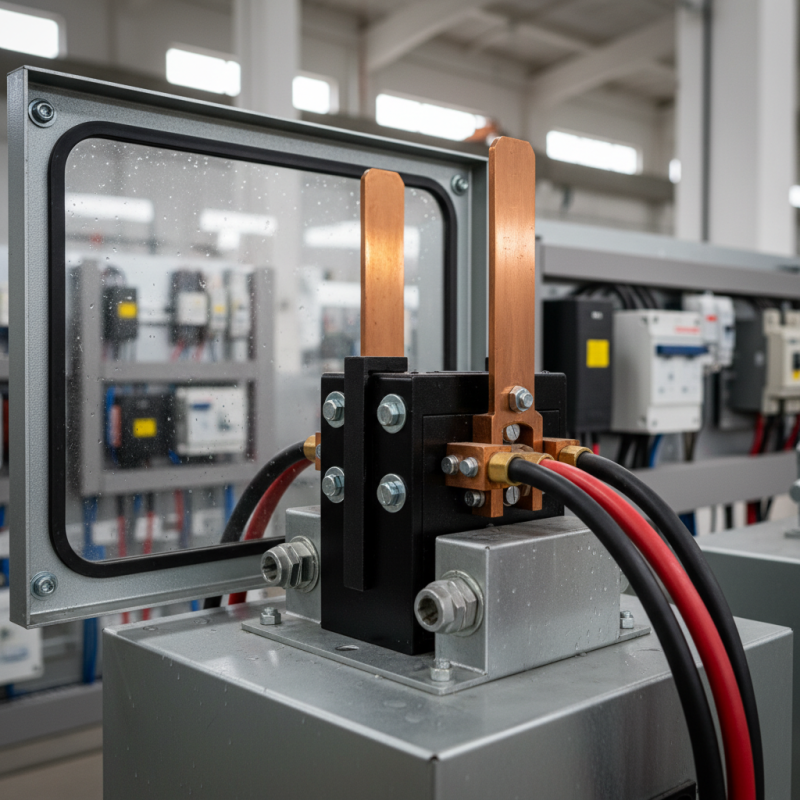
How to Choose the Right Knife Disconnect Switch for Your Needs?

Understanding the Purpose of Knife Disconnect Switches

Knife disconnect switches are essential in industrial applications. They safely isolate electrical circuits. This prevents potential hazards during maintenance. The global knife switch market is projected to grow at a CAGR of 5.6% by 2026, indicating strong demand for reliable-switching solutions.

Understanding their purpose is crucial for optimal usage. Knife disconnect switches ensure safety and reliability. They provide a clear visual indication of the circuit's operational state. A poorly chosen switch can lead to operational failures or safety issues. According to a recent industry report, improper isolation equipment has caused 30% of industrial accidents.

Choosing the right knife disconnect switch depends on several factors. Consider voltage ratings, amperage, and installation space. Large industrial settings may require higher ratings. In contrast, smaller operations may opt for compact designs. An ill-fitting switch can result in inadequate performance. It's essential to assess your specific needs carefully.

Identifying Your Electrical System Requirements

Choosing the right knife disconnect switch is crucial. Identifying your electrical system requirements is a key step. Each electrical system has unique needs that affect the switch selection. Consider factors such as voltage, current rating, and switching frequency. For example, a report by the Electric Power Research Institute (EPRI) noted that systems operate at various voltages, often between 120V to 600V.

The current rating is vital. A mismatch can lead to equipment failure or safety hazards. A study from the National Electrical Manufacturers Association (NEMA) highlighted that improper ratings cause 30% of electrical failures. Determine if the switch handles continuous or intermittent duty. Intermittent uses might require higher ratings, and specific designs are optimized for each case.

Understanding the environment is also necessary. Outdoor switches must withstand weather conditions. Humidity, temperature, and contaminants can influence the switch's lifespan. Retrofits may need special considerations. A field report noted that corrosion in high-humidity areas increased switch failures by 25%. Selecting a knife disconnect switch involves careful consideration of these details to ensure reliability in your electrical system.

Knife Disconnect Switch Types Comparison

This bar chart illustrates the comparison of key characteristics for different types of knife disconnect switches, including pole count, current rating, voltage rating, and mounting type. This information can help you decide which switch is best suited for your electrical system needs.

Evaluating Different Types of Knife Disconnect Switches

Choosing the right knife disconnect switch involves understanding the different types available. Knife disconnect switches can be categorized into two main groups: manual and automatic. Each type has distinct characteristics that suit varying applications.

Manual switches require physical operation to disconnect power, offering a straightforward and reliable solution for smaller systems.

On the other hand, automatic knife disconnect switches operate without manual intervention and are ideal for larger systems needing continuous monitoring. According to a recent industry report, over 40% of downtime in manufacturing stems from power interruptions. This statistic stresses the importance of selecting an appropriate switch to enhance reliability and safety in operations.

Installation and maintenance factors also play a crucial role in decision-making. Many facilities report inconsistencies in performance with improperly maintained switches. Regular inspections are necessary to ensure optimal performance. A reliable switch can minimize risks and avoid costly interruptions. When evaluating options, consider factors such as voltage rating, operational environment, and expected load. Each of these elements contributes to the switch's effectiveness in your application.

Assessing Voltage and Current Ratings

When selecting a knife disconnect switch, it’s crucial to assess voltage and current ratings. These ratings determine the switch's capability to handle electrical loads effectively. An incorrect rating can lead to operational failures or even hazards. Many users overlook this, leading to potential safety issues.

Understanding the operating environment is also key. Will the switch be installed indoors or outdoors? High humidity can affect performance. Pay attention to the specific voltage requirements of your equipment. Operating at higher or lower voltages than rated can cause the switch to fail. A thorough approach involves checking compatibility with your electrical system.

Current ratings deserve equal attention. They indicate how much current the switch can carry without overheating. It's essential to consider both continuous and peak currents. Miscalculating these values leads to inefficiencies and risks. Be prepared to adjust your choice based on real-time needs and conditions. Each application can bring unique challenges, requiring careful thought and reflection during the selection process.

Considering Installation and Maintenance Factors

When selecting a knife disconnect switch, installation and maintenance are crucial factors. Proper installation ensures safety and functionality. Choose a location that allows easy access for both installation and future maintenance. Think about the electrical environment. If it is prone to moisture or dust, choose a switch with appropriate sealing. Not all switches are designed for harsh conditions. This decision affects longevity.

Maintenance requires thoroughness. Periodically check the connections and ensure they are secure. Loose connections can lead to inefficiency or power loss. Regular inspections can identify wear and tear early. Sometimes, the switch might show signs of degradation or corrosion. This can easily be overlooked. It is essential to stay proactive, as neglecting these inspections can lead to larger issues down the line.

Consider your installation skills. While some may feel confident, others might struggle. If uncertain, seek assistance. This ensures that the switch is correctly installed. A poorly installed switch can create safety hazards. Remember, investing time in proper installation and diligent maintenance pays off with a reliable and efficient system.

How to Choose the Right Knife Disconnect Switch for Your Needs? - Considering Installation and Maintenance Factors

Feature Description Installation Factors Maintenance Considerations
Voltage Rating Select a knife switch that matches your system voltage to ensure safety and performance. Ensure compatibility with existing wiring and equipment. Regularly inspect for signs of wear or damage to prevent failure.
Current Rating Choose a switch with a current rating that exceeds your maximum load for safety. Consider the environment when determining the size and rating. Check connections regularly for corrosion or loose terminals.
Mounting Style Decide between panel mount or free-standing to match your setup. Ensure that the mounting location is accessible for operation and maintenance. Verify that mounting screws and fixtures remain tight over time.
Enclosure Rating Select an enclosure type based on the environmental conditions it will be exposed to. Consider indoor vs. outdoor installation requirements. Inspect seals and gaskets to retain the enclosure’s protection level.
Safety Features Look for features like lockout/tagout capability to enhance worker safety. Identify any additional safety measures needed during installation. Implement regular safety inspections to ensure compliance with regulations.
CNC machining CAD export file formats

Put your parts in production today

Get an instant quote