How to Choose the Right 125 Amp Breaker for Your Needs?
When selecting a 125 Amp Breaker, potential buyers often face confusion. The right choice is crucial for safety and performance. Expert electrical engineer, John Smith, emphasizes this by stating, “Choosing the correct breaker directly impacts system reliability.” Understanding your specific requirements can guide you in making the right decision.
The 125 Amp Breaker serves various applications, from residential to commercial. Factors like load demand and circuit configuration play vital roles. For instance, knowing the type of appliances you will power is essential. An improper choice may lead to overloading or insufficient protection. This can disrupt your electrical system and raise safety concerns.
Additionally, quality is paramount. Not all breakers are created equal. Researching brands and knowing the warranty terms can save you future headaches. Balancing cost and reliability is a delicate task. A well-chosen 125 Amp Breaker enhances the safety and efficiency of your electrical setup. However, this requires careful consideration and a willingness to learn from past mistakes.
Understanding the Basics of 125 Amp Breakers
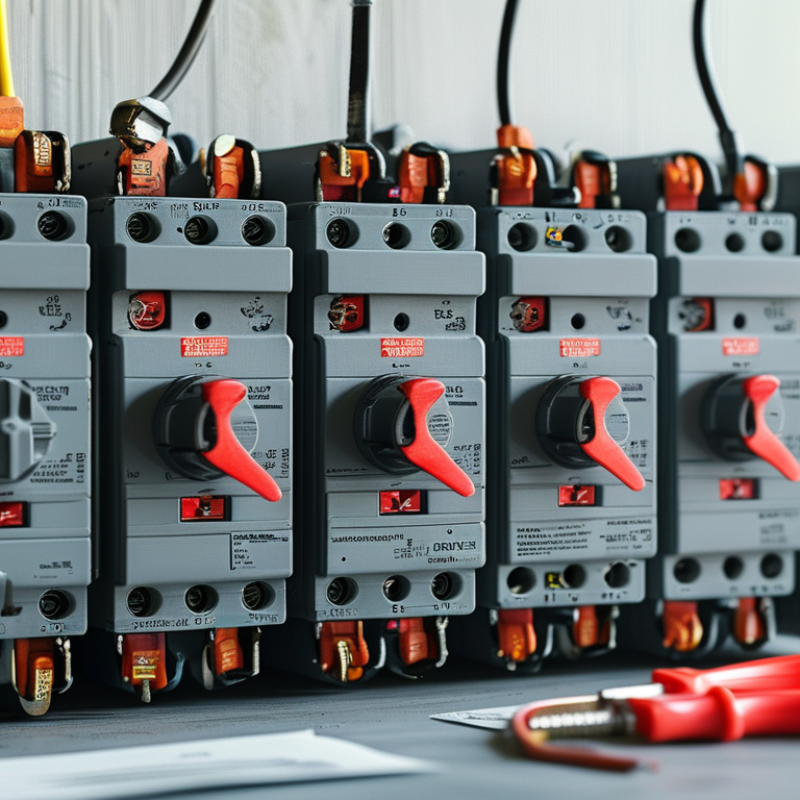
Choosing the right 125 amp breaker involves understanding its fundamental role in electrical systems. These breakers protect circuits and prevent overloads that could cause fires. They interrupt the flow of electricity when it exceeds a set limit. Knowing this, one can appreciate the safety they offer in residential and industrial settings.
When selecting a breaker, consider your specific power needs. Evaluate the total amperage of devices in the circuit. Overloading a breaker can lead not only to nuisance trips but also safety hazards. It’s crucial to assess the wire gauge as well. Using the wrong wiring size can impair the breaker’s function, leading to dangerous situations.
Installation is another area where many go wrong. Ensure your breaker is compatible with your electrical panel. Mismatches can create inefficiencies or even danger. Proper installation methods must be followed. Hiring a qualified electrician can often be the best decision. They can identify potential pitfalls and ensure safety guidelines are met.
Evaluating Electrical Load Requirements for Your Space
Evaluating your electrical load requirements is crucial when selecting a 125 Amp breaker. Start by assessing the total wattage of all appliances and devices you plan to use. This includes lighting, heating, and any power-hungry equipment. You can find the wattage on the appliance labels or in their manuals. Accurately calculating this load will ensure you choose a breaker that meets your needs without risk.
Keep in mind that overloading a circuit can lead to breaker trips or, worse, electrical fires. It's not just about the total wattage; consider the starting wattage of motors in devices like refrigerators and air conditioners. These devices often require significantly more power at startup than during regular operation. Understanding this aspect can prevent underestimating your electrical load.
Many homeowners might forget about future needs. What if you add more devices later? Your current calculations should factor in potential expansions. A slightly higher capacity might be safer and more practical. Reflect on your current equipment as well as future projects. This thoughtful preparation can save both time and money in the long run.
How to Choose the Right 125 Amp Breaker for Your Needs? - Evaluating Electrical Load Requirements for Your Space
| Room/Area | Estimated Load (Amps) | Appliances/Devices | Required Breaker Size |
| Living Room | 20 | TV, Lighting, Audio System | 15 Amp |
| Kitchen | 40 | Refrigerator, Microwave, Oven | 40 Amp |
| Washing Machine Area | 30 | Washing Machine, Dryer | 30 Amp |
| Home Office | 15 | Computer, Printer, Lighting | 15 Amp |
| Garage | 25 | Power Tools, Lighting | 20 Amp |
| Heating System | 50 | Electric Heater | 50 Amp |
Selecting the Right Type of Breaker for Your Application
When selecting the right type of 125 Amp breaker, understanding your application is crucial. Different environments may require different types of breakers. For instance, residential setups might benefit from standard breakers, while commercial applications may demand higher durability and specialized features. According to a recent industry study, around 30% of electrical issues stem from using improper breakers. This statistic highlights the importance of making an informed choice.
In industrial settings, features like overload protection and short circuit response time are essential. Each application has unique characteristics that should guide your selection process. An important consideration is the environment; for example, moist or dusty areas might require breakers with enhanced weatherproofing. A survey indicated that proper breaker selection can reduce maintenance costs by up to 20%.
Evaluating your power needs is equally important. Calculate your total electrical load to ensure you select a breaker that can handle future expansions. Breakers that are often overloaded may trip frequently, leading to frustration. This scenario can lighten your wallet by increasing the need for replacements. Proper capacity planning can prevent these drawbacks and extend the life of your electrical system.
Ensuring Compatibility with Existing Electrical Systems
When selecting a 125 amp breaker, compatibility with your existing electrical system is crucial. A breaker that does not fit your system can lead to serious safety issues. According to the National Electrical Code (NEC), proper breaker ratings are essential to prevent overloads. An incompatible breaker may not trip when necessary, increasing the risk of fire and equipment damage.
It’s vital to evaluate your current wiring and load requirements. For instance, residential circuits typically require specific wire gauge, often varying from 10 to 14 AWG based on the breaker’s size. An industry study revealed that improper breaker selection can result in up to 70% of electrical fires in residential areas. Moreover, you may need a load calculation, which considers all devices plugged into your system.
Also, manufacturers’ specifications on breakers can differ, even within the same amp rating. Understanding these nuances is key for safe operations. Check the compatibility of your breaker with your panel. If in doubt, consulting a licensed electrician can save time and likely prevent costly errors. Being careful about these details not only enhances safety but can also improve system reliability and performance.
Installing and Maintaining Your 125 Amp Breaker Safely
Installing a 125 amp breaker requires careful attention to safety protocols. Before starting, ensure you understand local electrical codes. Each jurisdiction may have unique requirements. If unsure, consulting with a licensed electrician can provide clarity. It’s crucial to understand the load calculations for your home or project. Overloading the breaker is a common mistake.
When installing, always turn off the main power supply. This simple step can prevent serious injuries. Double-check that the breaker is appropriately rated for your needs. Using a breaker that doesn’t match the circuit can lead to malfunctions. Tighten all connections firmly; loose wires can cause shorts and fires.
Maintenance of the breaker is equally important. Regularly inspect for signs of overheating or corrosion. Burnt smells or flickering lights could indicate deeper issues. Keep the breaker panel clean and free of obstructions. Document any changes or issues to maintain a reliable electrical system. Remember, safety should always be the top priority when working with electricity.


