2026 How to Choose the Best Diesel Loader for Your Needs?
Selecting the right Diesel Loader can be daunting. The market is flooded with options, each claiming to be the best. According to a report by the Construction Equipment Association (CEA), the demand for Diesel Loaders is expected to grow by 5% annually. This rise indicates an opportunity, but quality and fit for purpose are critical.
Expert insights can guide users in this journey. Mark Johnson, a renowned industry specialist, states, “The right Diesel Loader enhances efficiency and reduces operational costs.” Understanding the specific needs of your project is fundamental. Are you working on a construction site or a mining operation? Each scenario demands different specifications.
Additionally, integrating the latest technology can improve performance. However, with advancements, costs can escalate, and users must weigh these factors. A good balance between cost and capability is essential. Many buyers have encountered regrets after impulsive purchases. Therefore, careful consideration and expert consultation are paramount when choosing a Diesel Loader tailored to your needs.
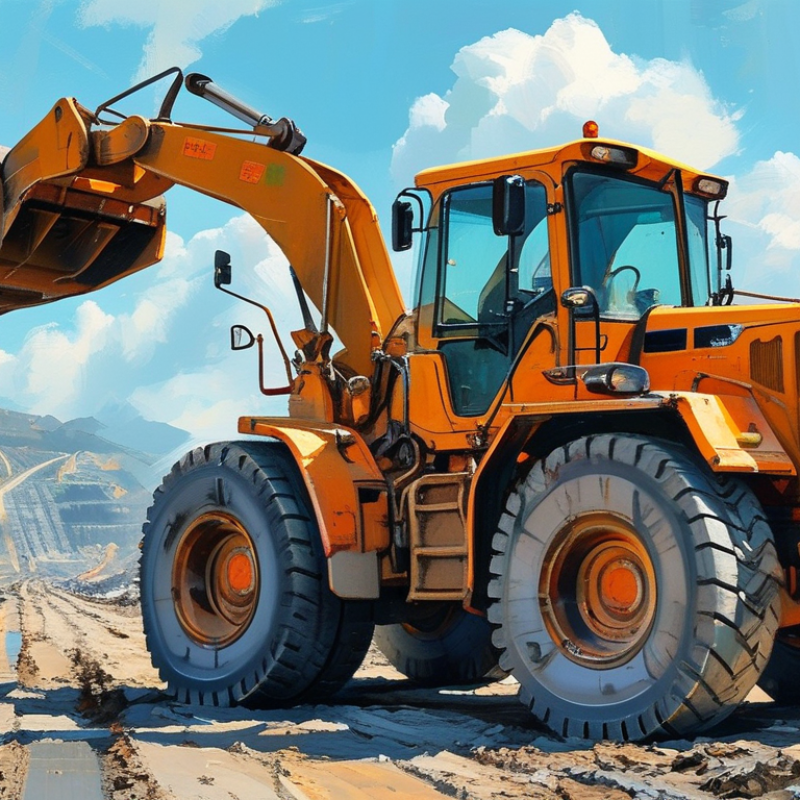
Understanding Your Requirements for a Diesel Loader
When choosing a diesel loader, understanding your specific needs is crucial. Consider the types of tasks you will be performing. Will you be moving heavy material? Or perhaps loading lighter items? Knowing this will help you select the right power and size.
Space is another vital factor. Assess the work area. Is it cramped? In tight spaces, a compact loader may be more effective. If you're working outdoors, think about the terrain. A loader designed for varying ground conditions will save you time and effort.
Finally, don’t overlook operator comfort. This can impact productivity. Ensure that controls are easy to reach and the seat is comfortable. Reflect on past experiences. Has poor ergonomics caused delays? It’s essential to learn from these moments to improve efficiency. The right diesel loader will meet your requirements and support your work effectively.
Types of Diesel Loaders Available in the Market
When choosing a diesel loader, understanding the types available is crucial. There are various models designed for specific tasks. Wheel loaders are popular for their versatility. They handle material loading and transportation seamlessly. Compact loaders are ideal for smaller jobs, providing agility in tight spaces.
Caterpillar, Komatsu, and Volvo constructs exhibit strong durability. Hydraulic systems in these loaders enhance lifting capabilities. However, their maintenance can be complex. Understanding the specifications helps in making an informed choice. Pay attention to horsepower and bucket capacity. It’s essential for optimal performance.
Backhoe loaders combine digging and loading features. They offer flexibility on numerous worksites. Street and construction projects often benefit from this type. Always consider your operational needs. The initial investment is significant, but can lead to time savings. A second-hand option may also be viable. Just ensure it has undergone proper inspection. Find out about service history and repairs.
Key Features to Consider When Selecting a Diesel Loader
When selecting a diesel loader, several key features merit your attention. Power and performance are critical. Assess the engine power and lifting capacity. Ensure the loader can handle your specific tasks efficiently. Higher horsepower often translates to better performance in rugged conditions. However, don’t overlook fuel efficiency. A powerful loader that guzzles diesel increases operational costs.
Another vital aspect is maneuverability. The size and weight of the loader determine how it performs in tight spaces. Compact models excel in urban settings while larger units handle heavy jobs on construction sites. Tire type also affects traction and stability. Consider your operating environment. Soft or uneven ground may require different tires than concrete surfaces.
Operator comfort and safety should not be neglected either. A comfortable seat and intuitive controls improve productivity. Visibility from the cabin impacts safety. Check if the design allows for clear lines of sight. Lastly, maintenance access is essential. A loader that requires less downtime for servicing can save both time and money over its lifespan.
Evaluating Performance and Efficiency of Diesel Loaders
When evaluating the performance and efficiency of diesel loaders, several factors come into play. Load capacity is essential. Consider how much weight the loader can handle easily. A machine with a high load capacity can increase productivity on the job site. Fuel efficiency also matters. An efficient loader utilizes less fuel over its lifetime, which can lead to significant savings.
Engine power is another key aspect to analyze. A powerful engine enables quicker operations and can tackle tougher jobs. However, too much power can sometimes lead to excessive fuel consumption. It's worth reflecting on your specific tasks to find the right balance. Additionally, the transmission type affects efficiency. Loaders with advanced transmission systems often provide smoother operation and better power management.
Maintenance is crucial for long-term efficiency. Regular servicing ensures optimal performance. Machines not well-maintained can suffer from reduced efficiency and unexpected breakdowns. So, understanding maintenance schedules is vital. It's important to weigh the initial purchase cost against ongoing expenses, efficiency, and performance. Make an informed decision based on thorough evaluation for the best results.
Budget Considerations and Cost of Ownership for Diesel Loaders
When selecting a diesel loader, budget is paramount. The initial purchase price is often just the tip of the iceberg. Beyond that, operational costs, maintenance, and fuel consumption stack up quickly. Knowing these factors can help you avoid unexpected financial burdens. Look at the loader's fuel efficiency. A more efficient machine saves money over time. However, some loaders may require expensive repairs that can offset any savings.
Consider the longevity of the loader, too. A cheaper model might seem like a bargain, but if it needs frequent repairs, it won't be cost-effective. Look at warranty offerings and service plans. They can be indicators of reliability. Think about resale value as well. A vehicle that depreciates quickly might not be worth the initial investment. Often, reliable, well-built loaders maintain better resale value.
Investing in a diesel loader requires thoughtful consideration. Establish your budget and stick to it. Keep in mind, spending a bit more upfront may save money long-term. Assess your needs carefully. A thorough evaluation of both immediate costs and future expenses is essential for making an informed decision.


