How to Choose the Best Chenille Material for Your Needs?
Choosing the right Chenille Material can significantly impact your project. Various factors influence this choice, from texture and durability to color and price. Chenille is known for its soft, velvety feel, making it popular in both home décor and fashion.
We often overlook the importance of the right material. A poor choice can lead to dissatisfaction in the end product. Considering your specific needs is crucial. For example, if it's for a sofa, durability is paramount. If it’s for kids’ clothing, softness might be a top priority.
Understanding the different types of Chenille Material available is vital. Each type offers unique qualities. Some may cater to modern aesthetics, while others align with classic styles. Evaluating these aspects will ensure your selection meets both function and design needs.
Understanding Chenille: What Is It and Its Common Uses?
Chenille is a unique fabric known for its soft texture and vibrant colors. Often used in home decor, chenille provides comfort and style. You can find it in blankets, upholstery, and decorative cushions. This fabric adds warmth to any space, making it a popular choice for cozy living rooms.
When selecting chenille, consider your intended use. For high-traffic areas, opt for durable chenille that can withstand wear. If you need something for a child’s room, focus on easy-to-clean options. Chenille can attract dust, so regular maintenance is important. A gentle vacuum or spot cleaning will keep it looking fresh.
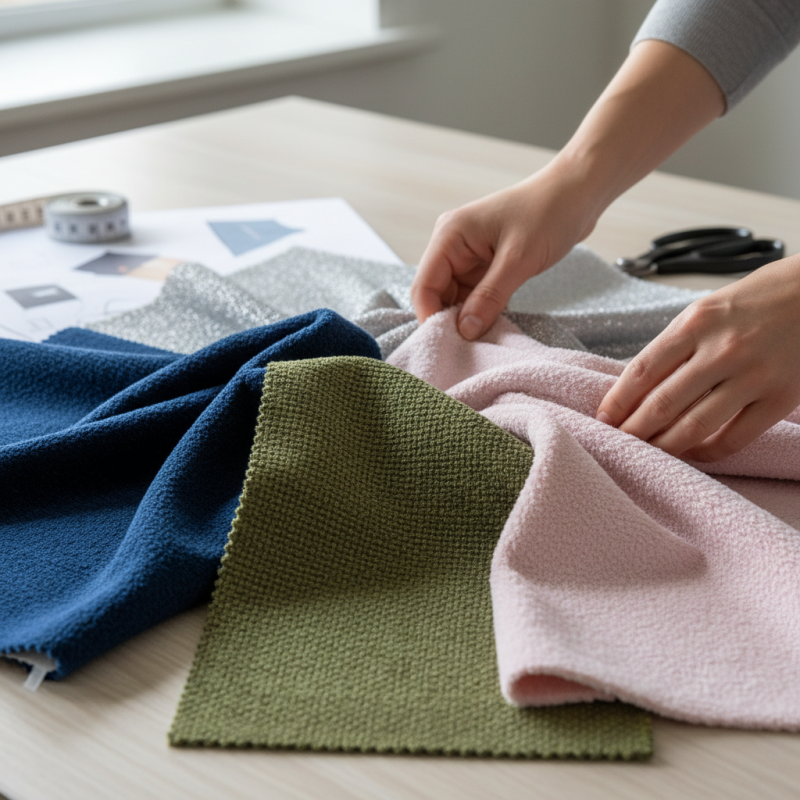
Tips: Always test chenille samples in your home’s lighting. This reveals true color and texture. If unsure about durability, seek fabric swatches. They help gauge how the material feels and wears over time. Remember, chenille can be sensitive to water, so always check cleaning instructions.
Different Types of Chenille Materials: A Comprehensive Overview
When selecting chenille materials, understanding the various types available is crucial. Chenille is known for its soft texture and rich appearance. There are cotton, polyester, and rayon options, each with unique properties. Cotton is breathable but can shrink. Polyester offers durability and resistance to fading. Rayon, while soft, is less resistant to wear.
In recent industry reports, over 45% of consumers prefer cotton for home textiles. However, polyester’s market share has grown by 30% in the last few years. This shift reflects an increasing demand for low-maintenance materials. Chenille's thickness can vary, affecting the look and feel of the final product. A thicker pile can create a luxurious appearance, ideal for upholstery.
Colors and patterns also play a significant role. Bright, vibrant chenille can enhance any space. On the other hand, darker colors may show wear more quickly. It's essential to consider the intended use of the chenille. Will it withstand heavy usage? Understanding these factors can assist in making an informed choice. While there is no universally perfect option, careful evaluation is vital.
Factors to Consider When Choosing Chenille for Your Project
When selecting chenille material, several factors come into play. Consider the texture. Chenille can range from soft and luxurious to coarse and rough. This difference affects the final look and feel of your project. For a cozy blanket, opt for a plush finish. On the other hand, a more durable texture works for upholstery projects.
Next, think about the weight of the material. Light-weight chenille is easier to work with for crafting small items. However, heavier fabric provides more warmth and structure. If your project involves wear and tear, choose a heavier weight. This increases the longevity of your work.
Color choice is also essential. Chenille comes in various hues, from vibrant to pastel. The right shade can enhance your project’s appeal. However, remember that some colors may fade with time. Finally, don’t forget about care instructions. Ensure you select chenille that suits your lifestyle. Washing and maintenance requirements can vary greatly.
Comparing Chenille to Other Fabric Types: Pros and Cons
When comparing chenille to other fabric types, it’s crucial to weigh the pros and cons. Chenille is known for its unique texture and softness. It provides a luxurious feel, perfect for throws and pillows. However, it can be less durable than other fabrics. It may wear out quickly if exposed to heavy use, particularly for upholstery.
In contrast, materials like denim or canvas are more tough and resistant. They handle wear and tear better, making them ideal for everyday items. Yet, they lack the plush comfort that chenille offers. Some users may find chenille hard to clean, as it often requires special care. This aspect can be a deciding factor if easy maintenance is a priority.
Choosing the right fabric depends on your specific needs. Reflecting on your lifestyle can guide you in making a decision. Consider how often you will use the item made from this material. While chenille is beautiful, it may not suit every purpose. Balancing aesthetics with functionality is key to ensuring lasting satisfaction with your fabric choice.
Care Instructions for Maintaining Quality Chenille Fabrics
Caring for chenille fabrics requires attention to detail. These materials are soft and luxurious but can be delicate. Regular maintenance is crucial to keep them looking their best.
Start by checking the care label. Most chenille items are machine washable. Use a gentle cycle with cold water. Avoid harsh detergents that can damage fibers. For stubborn stains, spot treat with mild soap and a soft cloth.
After washing, air dry your chenille fabrics. Avoid high heat as this can cause shrinking. If needed, use a low heat setting when ironing. Be cautious; high temperatures can alter the texture.
Regularly fluff your chenille to maintain its plush appearance. Vacuum gently with a soft brush attachment to remove dust. This helps to preserve the vibrant colors and rich texture of the fabric.
It’s essential to reflect on your washing habits. Over-washing can wear out the fibers. Keep this in mind to ensure your chenille items last longer. Proper care not only enhances appearance but also extends the life of your cherished fabrics.