Choosing the right Brass Die Casting is essential for various applications. This process involves shaping molten brass into desired forms, making it both practical and versatile. Understanding the specifics of brass die casting can greatly impact the final product's quality and performance.
When selecting brass die casting, consider factors like material properties and design requirements. The alloy composition can affect durability, corrosion resistance, and overall functionality. It's not just about aesthetics; the right choice can enhance efficiency and reduce long-term costs. Details like wall thickness and surface finish are also crucial. Each element plays a significant role in the casting’s effectiveness.
Experience and expertise matter in this decision-making process. Engaging with reputable manufacturers can provide valuable insights. Look for companies with a history of quality and reliability. However, not every choice will be perfect. Be prepared to evaluate and reflect on previous decisions. This thoughtful approach can lead to better outcomes in your brass die casting projects.
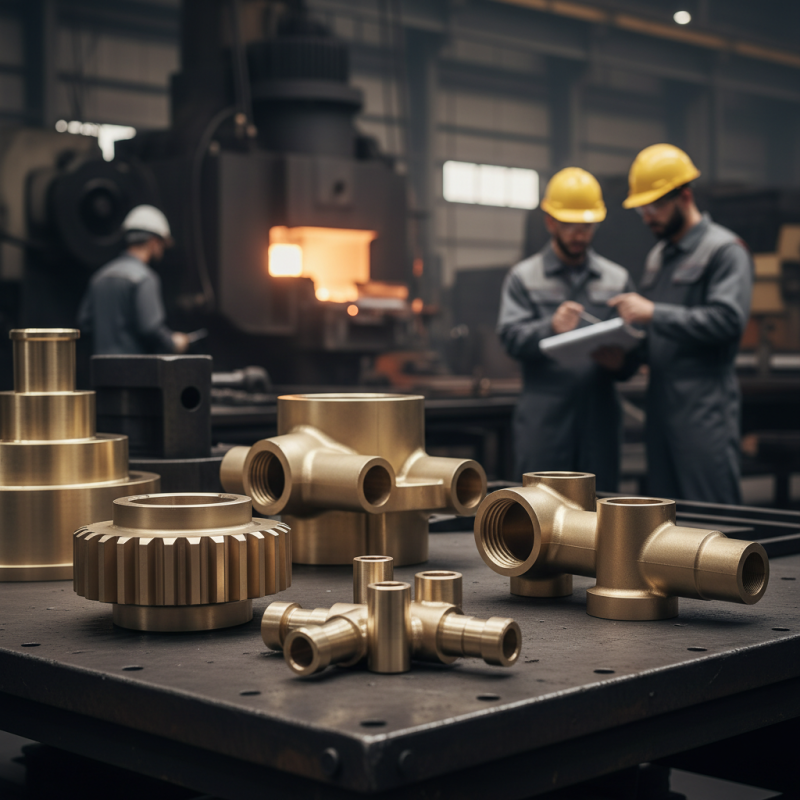
Brass die casting is a process that creates durable metal parts through molten brass. This method gives you both strength and precision. Key features of brass die casting include excellent corrosion resistance and good thermal conductivity. Parts made from brass offer longevity in various applications, making them a popular choice.
When considering brass die casting, think about how the application affects your choices. The specific design and complexity of the part can impact the casting process. Feel the difference in weight and texture when comparing brass parts to others. This tactile feedback can be vital for making the right decision.
Tips: Always consider the environmental conditions your part will face. If it will be exposed to moisture, prioritize corrosion-resistant features. Don’t hesitate to ask for samples. Holding a sample can often tell you more than photos or descriptions. Remember, not every design translates perfectly into casting. Some may require adjustments to ensure efficiency. Testing prototypes in real situations is essential before full-scale production.
Choosing the right brass die casting for your project begins with understanding your specific requirements. Consider the intended application of your final product. Is it for a high-pressure environment or a decorative purpose? These details shape your selection process. For instance, automotive parts demand durability and precision, while furniture components might prioritize aesthetics.
Another important factor is the complexity of your design. Intricate shapes with tight tolerances require advanced die casting techniques. Assess the design's dimensions and surface finish requirements. Sometimes, achieving a flawless finish can be more challenging than anticipated. Be prepared for revisions during the prototyping phase. Collaborating closely with die casting experts can help refine your designs while ensuring manufacturability.
Budget constraints also play a vital role in your decision-making. High-quality brass die casting often comes at a premium. Explore cost-effective alternatives without compromising quality. Remember, choosing the right die casting involves balancing multiple factors. It may not always result in the perfect solution. Each project offers a learning opportunity, guiding you toward improved decisions in the future.
When selecting a brass die casting manufacturer, assessing their capabilities and expertise is crucial. A reliable manufacturer should have extensive experience in the industry. According to reports from the Die Casting Institute, companies with over 15 years of experience typically deliver better quality products. They understand the nuances of brass, which can be affected by composition and alloying elements.
Look for manufacturers with advanced technology. Automation and specialized equipment can enhance precision. Studies show that modern die casting methods improve tolerances by up to 25%. A facility’s capability to ensure consistent production volume is also essential. If they can't meet your quantity needs without sacrificing quality, re-evaluation is needed.
Tips: Always request samples before committing. This step helps assess the quality of their work. Don’t hesitate to ask about the company’s certifications. ISO certifications can indicate a commitment to quality and best practices. Lastly, research customer testimonials to gauge reliability. A manufacturer’s past performance is often indicative of future results. Consider whether they can adapt to your specific casting requirements.
When considering brass die casting, cost-effectiveness and quality are crucial factors. Brass offers excellent resistance to corrosion and wear, making it a popular choice. However, the initial investment can vary. Some manufacturers may provide lower prices but use inferior materials that compromise quality. Balancing cost and quality is key.
Evaluating different options may lead to uncertainties. A less expensive die casting may result in additional costs later. For instance, poor quality can lead to failures that require replacements. Investing in reputable sources can minimize these risks. Ensure they have a strong track record and positive reviews from previous clients.
Detailing your project requirements can clarify your choices. Consider the specifications and performance expected from the final product. Discuss these openly with potential manufacturers. Understanding their capabilities can reveal if they align with your needs. Feedback from industry experts can guide your decision, highlighting the importance of choosing wisely. This approach fosters more conscientious purchasing decisions.
When selecting brass die casting, post-casting processes play a crucial role. Once the casting is complete, finishing techniques can greatly enhance the final product's quality. These processes often include machining, polishing, and plating. Machining is essential for achieving precise dimensions. However, it can lead to material wastage, which needs careful consideration.
Polishing brass parts is another important step. It improves the surface finish and prepares the component for plating. However, over-polishing can remove critical material, affecting strength. Several techniques exist, including manual polishing and mechanical methods. Each has its benefits and drawbacks. Proper technique selection based on the part's design is vital.
Plating can provide added corrosion resistance to brass parts. This process can be complex, requiring thorough surface preparation. Not all platings are suitable for every application. The choice of plating material matters significantly. It impacts not only appearance but also functionality. Testing different post-casting methods may yield varying results. Knowing your specific needs is essential in making informed decisions.
| Dimension/Aspect | Details/Options |
|---|---|
| Material Type | Brass Alloy (e.g., C36000, C37700) |
| Casting Method | Gravity Die Casting, Pressure Die Casting |
| Post-Casting Processes | Machining, Heat Treatment, Surface Treatment |
| Finishing Techniques | Polishing, Plating, Powder Coating |
| Wall Thickness | Minimum 2 mm, Customizable Based on Design |
| Tolerance Levels | ISO 2768, Customized Tolerances Available |
| Surface Finish Types | Anodizing, Buffing, Chemical Treatment |
| Applications | Automotive, Electronics, Plumbing Fittings |
| Environmental Considerations | Recyclability, Reduced Emissions in Production |
| Cookie | Duration | Description |
|---|---|---|
| cookielawinfo-checkbox-analytics | 11 months | This cookie is set by GDPR Cookie Consent plugin. The cookie is used to store the user consent for the cookies in the category "Analytics". |
| cookielawinfo-checkbox-functional | 11 months | The cookie is set by GDPR cookie consent to record the user consent for the cookies in the category "Functional". |
| cookielawinfo-checkbox-necessary | 11 months | This cookie is set by GDPR Cookie Consent plugin. The cookies is used to store the user consent for the cookies in the category "Necessary". |
| cookielawinfo-checkbox-others | 11 months | This cookie is set by GDPR Cookie Consent plugin. The cookie is used to store the user consent for the cookies in the category "Other. |
| cookielawinfo-checkbox-performance | 11 months | This cookie is set by GDPR Cookie Consent plugin. The cookie is used to store the user consent for the cookies in the category "Performance". |
| viewed_cookie_policy | 11 months | The cookie is set by the GDPR Cookie Consent plugin and is used to store whether or not user has consented to the use of cookies. It does not store any personal data. |