How to Choose the Right Helical Hydraulic Cylinder for Your Needs?
Choosing the right Helical Hydraulic Cylinder can be a challenging task. The market offers various options, each with unique features. John Miller, a leading expert in hydraulic systems, emphasizes, "Understanding your specific needs is key to selecting the right hydraulic solution." His insight underscores the importance of tailored choices in this industry.
Helical hydraulic cylinders are vital in many applications, from construction to manufacturing. Their design allows for efficient and powerful movement. However, navigating through specifications can be daunting for users. Identifying the right cylinder involves understanding load requirements, space constraints, and operational conditions. This process requires careful consideration and expertise.
Many companies might overlook these factors. They may choose based solely on price or availability. This can lead to inefficient operations or frequent mechanical failures. It’s essential to reflect on individual project demands. Skipping this step could result in costly mistakes, ultimately impacting performance. In a market where technical specifications vary widely, a thoughtful approach is crucial.
Understanding the Basics of Helical Hydraulic Cylinders
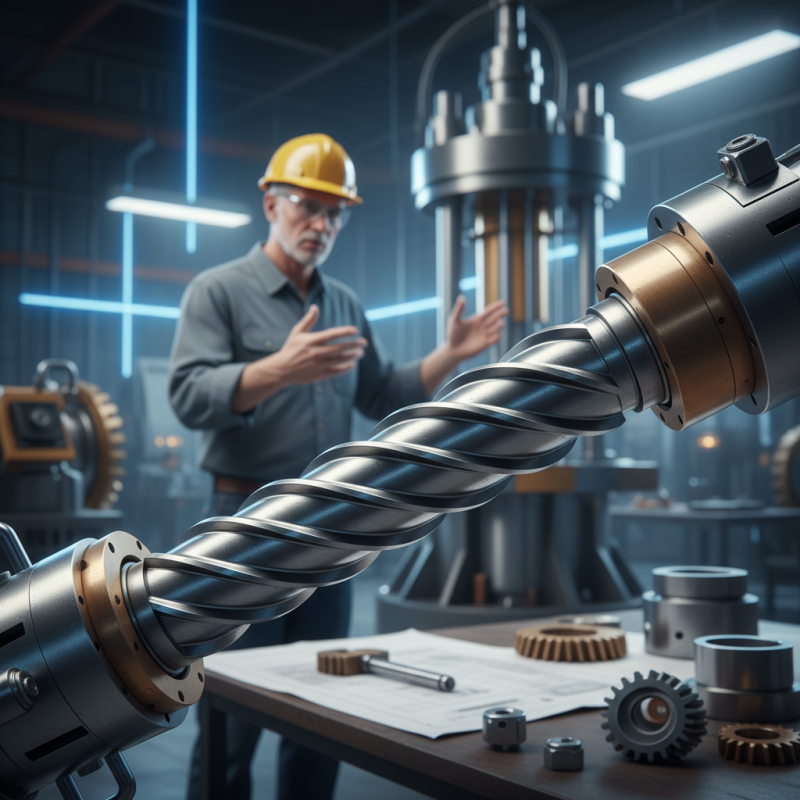
When selecting a helical hydraulic cylinder, understanding its basics is key. These cylinders transform rotational movement into linear force. They usually have a screw mechanism, allowing for smooth and efficient operation. Their design is unique, offering a compact solution for applications requiring high force in limited spaces.
Different factors influence your choice. Consider load capacity and speeds. The working environment matters too. For instance, high temperatures and moisture can affect performance. Make sure to assess compatibility with your project needs. Many might overlook maintenance needs initially, but they are crucial. Regular checks can prevent sudden failures. Ignoring them might lead to costly repairs later.
Awareness of the installation process is another aspect to consider. Improper installation can result in inefficient operation. A qualified technician can be invaluable here. They can offer insight into best practices. Every project is unique, so remember to adapt your choices accordingly. Understanding these basics will guide you toward selecting the right component for your hydraulic system.
Identifying Your Specific Application Requirements
When selecting a helical hydraulic cylinder, understanding your specific application requirements is crucial. Start by analyzing the load capacity needed for your operation. Different applications demand different weight tolerances. It’s essential to gather precise measurements of the loads you plan to lift. This can prevent potential failures or inefficiencies.
Next, consider the space constraints of your setup. Helical cylinders come in various sizes, and your workspace might limit your choices. Measure the available installation area carefully, allowing room for movement and maintenance access. Think about how often you’ll need to service the cylinder. Inadequate space can lead to difficulties in maintenance.
Lastly, examine the operating environment. Factors like temperature, humidity, and exposure to contaminants can affect cylinder performance. If your application occurs in extreme conditions, prioritizing materials that withstand these factors is vital. Reflect on past issues you have faced in similar scenarios. Addressing these considerations will guide you toward a suitable selection.
Evaluating Key Specifications and Features
When selecting a helical hydraulic cylinder, evaluating key specifications is crucial. The bore diameter significantly influences the cylinder's load capacity and performance. Larger diameters often yield higher force, while smaller diameters enhance precision. According to industry data, cylinders with a 100 mm bore diameter can exert forces exceeding 50 kN under optimal conditions. Consider the stroke length as well; this affects the range of motion. A mismatch between stroke length and application requirements can result in inefficiency.
Additionally, the material and construction of the cylinder merit attention. Steel offers durability but may add weight. Aluminum, while lighter, may not withstand the same performance demands. A recent report from the International Journal of Hydraulic Engineering highlights that nearly 30% of hydraulic failures stem from material fatigue. Implementing cylinders with inadequate specifications can lead to operational risks and increased maintenance costs.
The type of sealing system also plays a pivotal role in the cylinder's reliability. High-performance seals prevent leakage and prolong the cylinder lifespan. Research suggests that improper sealing can reduce efficiency by nearly 20%. Factors such as environmental conditions must guide your choice in sealing technology. Ultimately, aligning specifications with application needs minimizes setbacks and promotes durability.
Comparing Different Brands and Models
When choosing a helical hydraulic cylinder, brand and model comparisons are crucial. Different manufacturers often have varying specifications and features. Some brands specialize in compact designs, ideal for limited spaces. Others may focus on high-performance cylinders with greater load capacities. Pay attention to these details when making your decision.
Another key aspect is the material used in the cylinders. Some are made from steel, while others use aluminum. Each material offers distinct advantages in terms of durability and weight. An aluminum cylinder may be lighter but can suffer from wear over time. Steel's robustness can lead to higher maintenance demands.
Also, it is important to consider customer reviews and expert opinions. They often provide insights into long-term performance and reliability. You might find that some models excel in specific applications. However, they may not perform as well in others. Therefore, evaluate various user experiences to find the best match for your needs.
Making Informed Decisions Based on Performance and Cost
When selecting a helical hydraulic cylinder, performance and cost are crucial factors. Performance dictates how the cylinder will operate under specific conditions. Consider the load capacity of the cylinder and its stroke length. Each application may have unique demands that a cylinder must meet. For instance, a high-speed operation could require a different design than one focused on heavy lifting. Assessing these factors is essential for finding the right fit.
Cost is another compelling aspect. While some cylinders may offer advanced features, they can come at a steep price. It’s important to weigh the benefits against the financial impact. Sometimes, opting for a more basic model can be a wiser choice if the performance meets your needs. Additionally, consider long-term maintenance costs, as cheaper options might result in higher expenses later.
Evaluate your requirements carefully. Don’t rush the decision-making process. Reflect on both performance objectives and budget constraints. Each project is unique, and making the wrong choice can lead to operational inefficiencies. Keep in mind that the most expensive option isn't always the best one. A balance between quality and cost is key to making an informed decision.
How to Choose the Right Helical Hydraulic Cylinder for Your Needs?
| Dimension | Specification | Performance | Cost ($) |
| Bore Diameter | 50 mm | Max Pressure: 3000 psi | 250 |
| Stroke Length | 200 mm | Force Output: 30 kN | 300 |
| Mounting Style | Clevis Mount | Ideal for compact installations | 15 |
| Weight | 5 kg | Durable and long-lasting | 100 |
| Fluid Type | Biodegradable Oil | Environmentally friendly | 50 |


