2026 How to Choose the Right Electricity Meter Components?
Choosing the right Electricity Meter Components is crucial for optimal energy management. The complexity of these components can often be overwhelming. It's not just about picking any meter; it’s about finding one that fits your specific needs.
When considering electricity meter components, focus on reliability and accuracy. The performance of these components can significantly impact energy consumption tracking. A high-quality meter can lead to cost savings and efficient usage. Experience tells us that a poorly chosen meter can result in frustrating inaccuracies.
However, many users overlook the importance of compatibility among components. Mismatched parts can cause malfunctions or increased maintenance costs. Reflect on your usage patterns and energy demands. This consideration will guide you toward the most fitting choices for electricity meter components. In doing so, you ensure a robust solution for your energy needs.
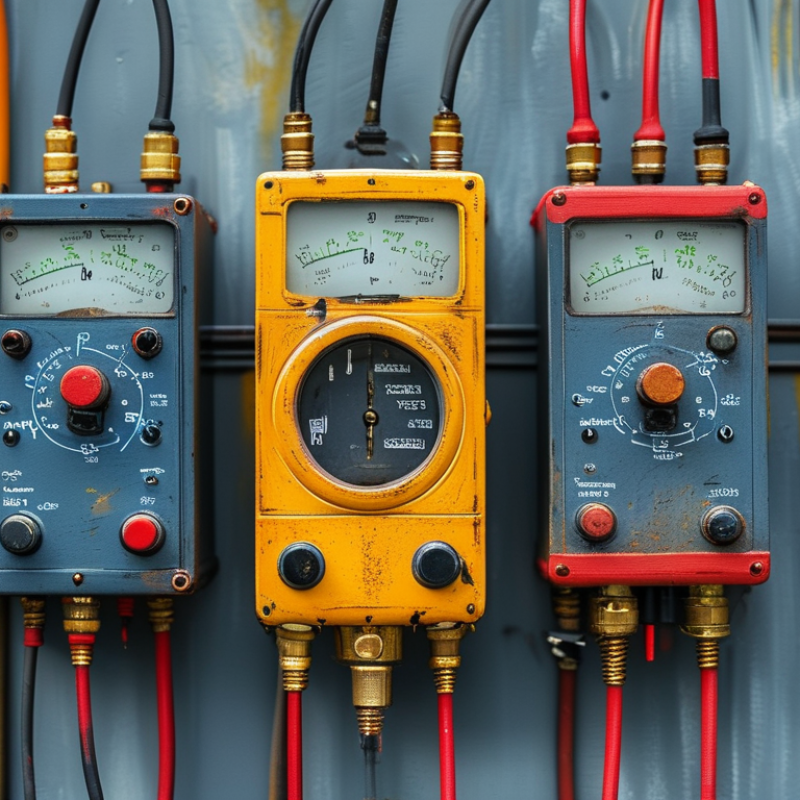
Understanding the Types of Electricity Meters Available for Selection
When selecting an electricity meter, understanding the types available is crucial. There are various types, each designed for specific needs. Digital meters are popular for their accuracy and easy readability. They provide real-time data and can help users track their energy consumption effectively.
Analog meters are another option. These are traditional and can sometimes be more reliable. However, they require manual readings and calculations, which may lead to errors and misunderstandings. Some users may find them more challenging to read compared to digital options. You must consider whether ease of use outweighs the nostalgia of analog systems.
Smart meters have gained traction due to their advanced features. They communicate with utilities for remote reading, which saves time. However, they can raise concerns about privacy and data security. Assessing the pros and cons of each type is essential. Consider your specific needs and the context in which the meter will be used. Always reflect on the balance between technology and simplicity as you make your choice.
Key Components of Electricity Meters: What to Look For
When selecting components for electricity meters, specific features play critical roles in accuracy and efficiency. Accuracy is paramount. An industry report from the International Energy Agency (IEA) shows that up to 30% of revenue loss in utilities can be attributed to inaccuracy in meters. Thus, ensuring high precision components is essential. Look for components that meet or exceed standards like IEC61000. This can help in reducing discrepancies and improving trust in billing.
Communication methods are also crucial. Modern meters often use wireless communication technologies. According to a survey by MarketsandMarkets, the smart meter market is projected to grow from $21 billion in 2021 to $37 billion by 2026. Features such as two-way communication enhance data accuracy and provide real-time monitoring. However, integrating these technologies can pose challenges. Compatibility issues may arise with existing infrastructures that could lead to delays and additional costs.
Power consumption of the meter itself is a factor worth considering. Meters that draw too much power can diminish overall efficiency. A report from the Electric Power Research Institute shows that some meters consume more than 5% of the energy they measure. Therefore, assessing energy consumption in components is vital to ensure optimal performance. These considerations highlight the importance of a thorough selection process for meter components in the pursuit of effective energy management.
2026 Electricity Meter Component Comparison
Assessing Accuracy and Reliability in Meter Components
Choosing the right electricity meter components is crucial for ensuring both accuracy and reliability. When assessing these components, consider how each part affects the overall performance. Reliability can be influenced by the quality of materials used and the manufacturing processes involved.
Tips: Always check for third-party certifications. They can provide confidence in the component's reliability and accuracy. Look for meters that meet industry standards, as they often undergo rigorous testing.
Another important factor is calibration. A component that is not properly calibrated can lead to significant measurement errors. Inconsistent readings can compromise the data collected, leading to unreliable conclusions.
Tips: Regularly schedule maintenance and recalibration to uphold accuracy. Create a log for all calibrations to detect any drift over time.
Additionally, consider the technological advancements in meter components. Innovations may enhance the meter's accuracy but could also introduce complexities. Balancing cutting-edge features with proven reliability requires thoughtful evaluation.
Evaluating Installation and Maintenance Considerations
When evaluating electricity meter components, installation and maintenance considerations are critical. The right installation can prevent future issues. It's essential to assess the physical space available for the meter. This can affect accessibility and ease of maintenance. If a meter is installed in a cramped area, technicians may struggle during routine checks.
Regular maintenance can increase the lifespan of the meter. Choosing components that allow easy access for maintenance tasks is wise. Some may overlook the importance of routine inspections. This oversight often leads to unexpected failures. Inspection frequency should align with system usage. Striking a balance here is key.
Components often require specialized tools for installation. Ensuring trained personnel handle these processes is vital. Inadequate training can lead to mistakes. Mistakes can be costly, leading to inefficiencies or safety hazards. Additionally, clear documentation of the installation process aids future maintenance. Proper records help technicians to troubleshoot issues more efficiently.
Cost Factors: Budgeting for Electricity Meter Components
When budgeting for electricity meter components, consider various cost factors. According to an industry report by the International Energy Agency (IEA), prices can vary significantly based on technology type and installation complexity. Basic electromechanical meters might cost around $40, while advanced smart meters can reach up to $300. This price variance is crucial for any project.
Installation costs can also be significant. The U.S. Energy Information Administration (EIA) estimates that labor can account for nearly 30% of total spending on new electricity meters. Furthermore, unexpected site conditions can lead to additional expenses. Often, project managers overlook the importance of these unforeseen variables. This oversight can strain budgets.
Fueling decisions with accurate data is essential. Engaging with experienced professionals may raise initial costs. However, their expertise can minimize costly mistakes later on. A reliable consultation can uncover hidden fees in components or installations that could disrupt financial projections. Being aware of all potential costs allows for more informed budgeting and overall project success.


