Incontinence issues are more common than many realize. A study estimates that over 25 million adults in the U.S. experience urinary incontinence. This growing concern has led to increased demand for effective incontinence products, particularly Incontinence Briefs Private Label options. These alternatives allow brands to offer unique, cost-effective solutions that meet diverse consumer needs.
Choosing the right incontinence briefs private label can be daunting. With countless options available, clarity becomes essential. Quality, absorbency, and comfort are vital factors to consider. Many consumers prioritize soft materials and discreet designs, emphasizing the importance of user comfort. Additionally, healthcare professionals often recommend products that ensure skin health, as irritations can lead to further complications.
This industry faces challenges and opportunities. Retailers must stay informed about consumer preferences and market trends. A recent survey indicated that 73% of users prefer private label products for their affordability without compromising quality. Understanding these dynamics is crucial for selecting the best products in this competitive landscape.
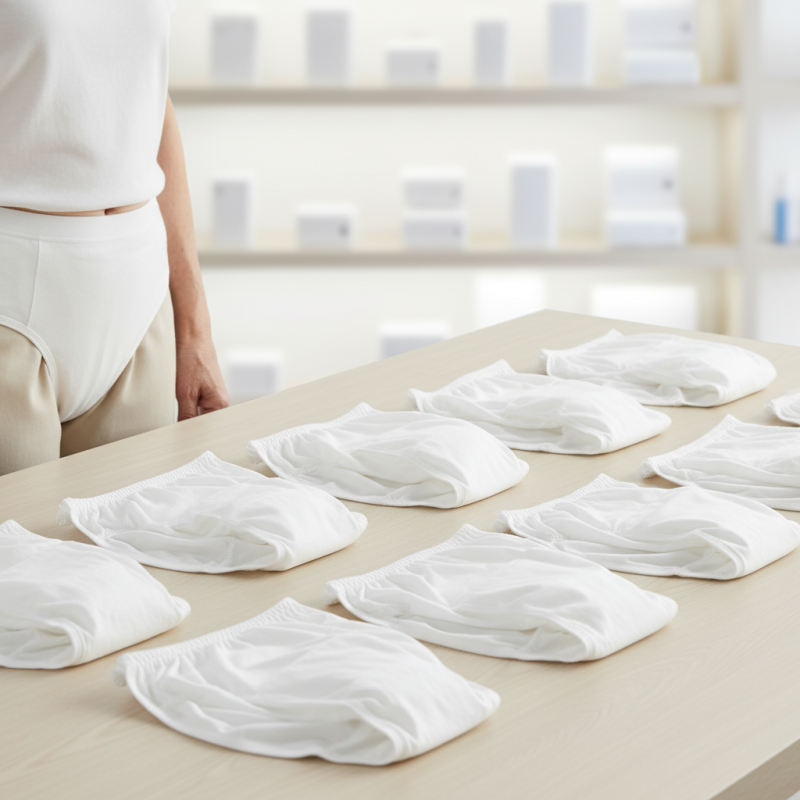
Incontinence briefs are essential for many individuals. Choosing the right option involves understanding key features. Look for absorbency levels. Reports indicate that 20% of users experience leaks with inadequate absorbency. The better the fitting and absorbency, the higher the comfort.
Consider breathability as another crucial factor. Users often face skin irritation due to moisture buildup. High-quality materials enhance airflow and keep skin dry. A study found that 30% of wearers prefer briefs designed with breathable fabrics to reduce discomfort.
Assessment of fit and size is also critical. Ill-fitting products increase the risk of leaks. Many wearers struggle with sizes that do not meet their needs. Customizable options may provide better security. Seek products with adjustable designs to enhance user experience. These features may significantly improve comfort and confidence throughout daily activities.
When considering incontinence briefs, private label options present unique advantages. These products often offer customization that can cater to specific needs. You might find a wider variety of sizes and absorbency levels. This flexibility is essential for comfort and effectiveness.
Private label briefs can also provide significant cost savings. Often, they are more affordable than national brands, allowing for bulk purchases that ease financial stress. However, consumers should be cautious. Not all private label products meet the same standards. Researching materials and absorbency claims is crucial.
Some users may worry about quality due to lower prices. It's important to gather feedback and reviews before making a decision. Explore testing samples if available. This hands-on approach can help you identify the right fit and level of protection, ensuring a more satisfactory experience.
When selecting incontinence briefs, material quality and comfort should be at the forefront of your decision-making. Soft, breathable fabrics can make a significant difference in user experience. Look for materials that allow airflow while also providing necessary absorbency. Cotton blends are often preferred for their natural feel and moisture-wicking properties. Meanwhile, synthetic fabrics can enhance durability but may sometimes cause irritation.
It's essential to assess the fit of the briefs, as a well-fitting product prevents leaks and enhances comfort. Consider options with elastic leg gathers that ensure a snug fit without being too tight. The waistband's stretchability also matters; it should provide security without constricting. Testing a few options will help you find the right balance for your needs.
Pay attention to individual preferences and needs. What works for one person may not be ideal for another. Think about how often you plan to change and the level of activity involved. Some people might prioritize discretion, while others might look for extra absorbency. A bit of trial and error can lead to a more personalized solution.
When selecting incontinence briefs, analyzing the price and value in private label options is essential. A recent industry report indicates that private labels hold about 20% of the market share in this category. This number shows a growing acceptance of these alternatives. However, price alone doesn't determine value. It’s crucial to evaluate product quality and comfort.
Quality can sometimes be inconsistent in private label options. A study found that while many brands claim high absorbency, consumer feedback often reveals mixed results. Some users report discomfort. Investing a bit more may yield better satisfaction and fewer leaks. Cost-effectiveness should consider long-term use, as cheaper options may require frequent replacements.
Market research suggests that consumers are becoming more educated about their choices. This trend pushes brands to enhance their offerings. Transparency in ingredient sourcing is increasingly important. Many consumers are looking for eco-friendly materials and hypoallergenic properties. Balancing costs with these features can lead to better outcomes. Regularly reassessing these options can help consumers make informed decisions.
When selecting private label incontinence products, identifying reliable suppliers is crucial. A trusted supplier will have experience in the industry and offer quality materials. Look for manufacturers who specialize in incontinence briefs. Their expertise ensures that the products meet industry standards and provide the necessary comfort and absorption.
Researching potential suppliers is essential. Check their certifications and customer reviews. A reputable supplier should be transparent about their sourcing and production processes. Visit their facilities, if possible, to assess quality firsthand. This approach allows you to spot any inconsistencies in production. Engage in discussions with their representatives to understand their services better; this aids in gauging their reliability.
Additionally, consider the range of products they offer. A good supplier should provide various designs and sizes to cater to different needs. Assessing their ability to customize products can also reflect their commitment to meeting client preferences. A flexible supplier is valuable in ensuring that your private label brand stands out in a competitive market.
| Cookie | Duration | Description |
|---|---|---|
| cookielawinfo-checkbox-analytics | 11 months | This cookie is set by GDPR Cookie Consent plugin. The cookie is used to store the user consent for the cookies in the category "Analytics". |
| cookielawinfo-checkbox-functional | 11 months | The cookie is set by GDPR cookie consent to record the user consent for the cookies in the category "Functional". |
| cookielawinfo-checkbox-necessary | 11 months | This cookie is set by GDPR Cookie Consent plugin. The cookies is used to store the user consent for the cookies in the category "Necessary". |
| cookielawinfo-checkbox-others | 11 months | This cookie is set by GDPR Cookie Consent plugin. The cookie is used to store the user consent for the cookies in the category "Other. |
| cookielawinfo-checkbox-performance | 11 months | This cookie is set by GDPR Cookie Consent plugin. The cookie is used to store the user consent for the cookies in the category "Performance". |
| viewed_cookie_policy | 11 months | The cookie is set by the GDPR Cookie Consent plugin and is used to store whether or not user has consented to the use of cookies. It does not store any personal data. |