How to Choose the Best Wireless Scanner for Your Business?
In today's fast-paced business environment, selecting the right tools is crucial. A Wireless Scanner can significantly enhance efficiency. It allows for quick document digitization, minimizing workflow interruptions. However, choosing the best wireless scanner for your business is not straightforward.
Many factors come into play. Consider the scanning speed, connectivity options, and compatibility with existing systems. Some scanners excel at image quality, while others focus on speed. These aspects can affect overall productivity. A scanner with limited features may fall short of expectations.
It’s essential to evaluate your specific needs. This scrutiny ensures that the selected wireless scanner aligns well with your business processes. Investing time in research is vital. The right choice can lead to remarkable improvements in operational efficiency. However, the wrong decision can be costly and frustrating. Understanding these elements can lead to a well-informed purchase.
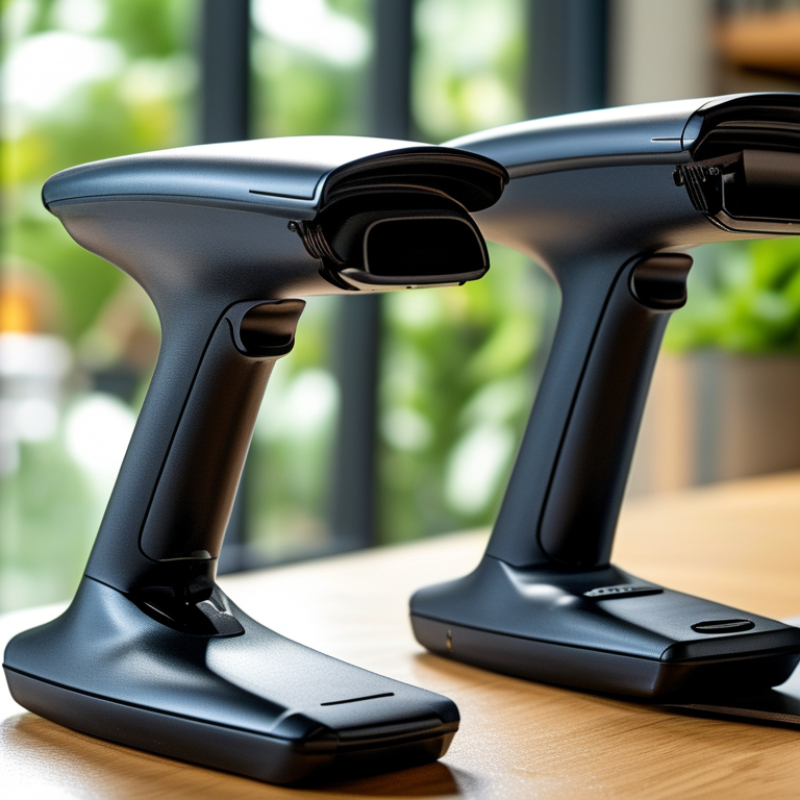
Understanding Your Business's Scanning Needs
Understanding your business's scanning needs is critical for making an informed wireless scanner choice. Different industries have unique requirements. For medical offices, high-resolution scanning is essential. According to a recent industry report, 70% of healthcare providers report that document management improves patient care. In contrast, retail businesses prioritize speed. They often require scanners that can process multiple items quickly to enhance customer service.
Consider the volume of documents your business handles. A logistics company may scan thousands of shipping labels daily. They need a scanner that can operate efficiently in high-pressure environments. On the other hand, small law firms might only need basic scanning capabilities. They may prioritize reliability over speed as they handle fewer documents. This discrepancy in needs illustrates that one size does not fit all in the scanning market.
It’s also important to assess the document types you will be scanning. Some businesses require the ability to scan various formats, including receipts, contracts, and ID cards. Studies suggest that 54% of businesses face challenges with document types affecting compatibility. A scanner that cannot handle diverse formats could create bottlenecks in workflow. Thus, understanding these specific needs is vital for selecting the best wireless scanner.
How to Choose the Best Wireless Scanner for Your Business? - Understanding Your Business's Scanning Needs
| Feature | Description | Importance Level | Recommended Specs |
| Scanning Resolution | The clarity of the scanned document. | High | 600 dpi or higher |
| Scan Speed | Time taken to scan a page. | Medium | 15 pages per minute (ppm) |
| Wireless Connectivity | Methods to connect wirelessly. | High | Wi-Fi and Bluetooth |
| File Formats | Formats the scanner can save files in. | Medium | PDF, JPEG, TIFF |
| Automatic Document Feeder (ADF) | Ability to scan multiple pages at once. | High | Up to 50 pages |
| Software Compatibility | Types of software that can be used. | Medium | Windows, macOS, Linux |
| Customer Support | Availability of technical support. | High | 24/7 support recommended |
Key Features to Look for in Wireless Scanners
When selecting a wireless scanner for your business, understanding key features is crucial. Consider scanning speed, as reports show that high-speed scanners can improve efficiency by up to 30%. Look for devices that offer at least 25 pages per minute. This can significantly enhance document processing times.
Another important aspect is connectivity options. Many businesses benefit from models that support Bluetooth and Wi-Fi connections. A report from a leading market research firm states that 40% of businesses prioritize wireless capabilities for remote scanning needs. This flexibility allows employees to work from various locations without being tethered to a desk.
Lastly, evaluate the user interface. An intuitive design can reduce training time and minimize errors. User-friendly controls can also lead to less frustration. Companies often overlook this, yet a complicated interface can inhibit productivity. Data shows that 50% of users prefer scanners that require minimal training. This highlights the need for a straightforward setup that's easy for all staff levels.
Comparing Different Types of Wireless Scanners
When selecting a wireless scanner, it’s crucial to compare the types available. Portable scanners are great for on-the-go tasks. They allow users to capture documents anywhere. Their compact size makes them easy to carry. However, battery life can be an issue. You may find yourself recharging more often than expected.
Desktop scanners offer high-volume scanning. These devices typically provide better image quality. They often have features like duplex scanning. Keep in mind, they require more space. This could be a limitation in smaller offices. Maintenance can be another concern, as these models may need regular servicing.
For specialized needs, consider handheld or camera-based options. Handheld scanners are versatile but require a steady hand for best results. Camera-based options use your smartphone’s camera. While they are convenient, the image quality can vary significantly. Evaluating the specific needs of your business is essential. Don't overlook user reviews and real-world testing. They can provide insights into potential challenges.
Assessing Budget and Cost-Effectiveness
When selecting a wireless scanner for your business, budget plays a crucial role. The initial purchase price is often the first consideration. However, it’s essential to look beyond just the sticker price. Consider the long-term costs associated with maintenance, ink, and connectivity. A cheaper model may save money upfront, but could incur higher costs due to frequent repairs or additional resources needed.
Evaluate the features that matter most to your operations. A scanner with high-speed capabilities may seem expensive, but it can enhance productivity. Reduce time spent on scanning and archiving documents. On the other hand, you might find that a basic model suffices for occasional use, preventing unnecessary expenditures. Assess your workflow and decide which features will truly add value.
Don’t forget to factor in the potential for future growth. As your business evolves, your scanning needs may change. Investing in a more versatile scanner that can adapt is wiser than buying a lower-cost option that might not meet growing demands. Being proactive can protect your budget and contribute positively to your bottom line. Ultimately, careful consideration now can lead to more sustainable financial health for your business in the future.
Evaluating Brand Reputation and Customer Support
When choosing a wireless scanner for business, evaluating brand reputation and customer support is crucial. According to a report by the International Data Corporation, 45% of businesses prioritize reliable customer support when selecting technology partners. The right support can significantly impact your workflow and productivity. A manufacturer’s response time and support channels should be assessed before making a decision.
In recent years, trust in brands has shifted. A 2023 study by TechValidate found that over 60% of users will reconsider purchases if customer support reviews are poor. Businesses must seek brands that not only provide quality products but also demonstrate commitment to after-sales services. User reviews on support responsiveness can guide this evaluation.
Brand reputation often reflects a commitment to quality. Reports indicate that well-regarded brands usually invest more in training their support staff. However, even the best brands can have lapses in service. Reflecting on previous encounters can provide insight. Asking questions during the selection process can help discern a brand’s reliability and responsiveness.


