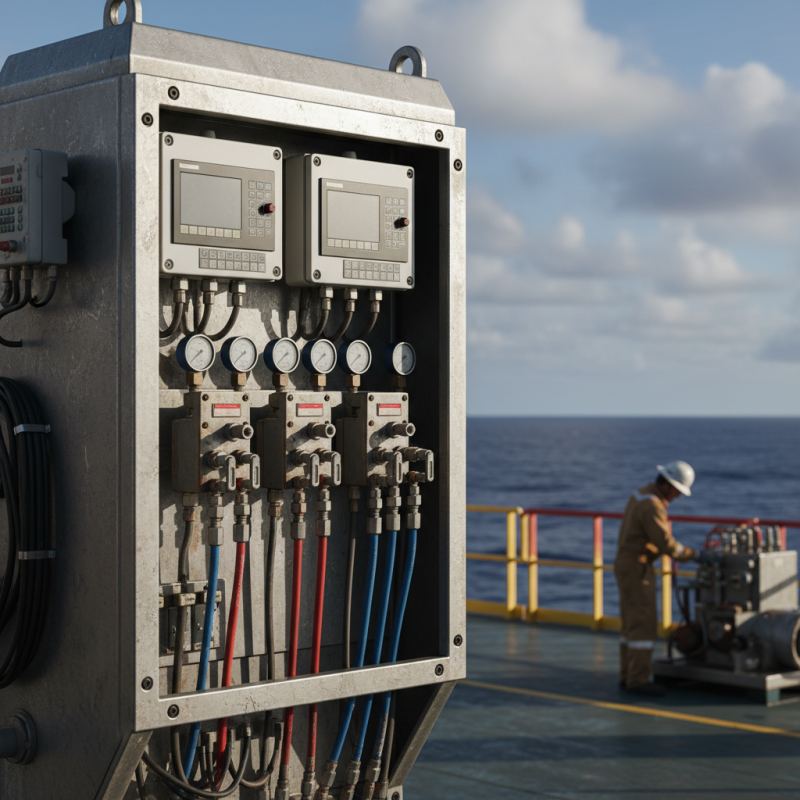
How to Choose the Best Well Control Box for Your Needs?
Choosing the right Well Control Box is essential for operators in the oil and gas industry. A report by the International Association of Drilling Contractors (IADC) indicates that effective well control systems can reduce incidents by over 30%. This highlights the importance of selecting reliable equipment.
Industry experts emphasize the need for careful consideration. According to Dr. Sarah Thompson, a recognized authority in well control technology, “The right Well Control Box can save lives and resources.” Her insights reinforce the critical nature of this decision.
When selecting a Well Control Box, factors like compatibility, safety features, and ease of use must be assessed. Many operators overlook these details, leading to potential risks. Balancing costs with quality is also a challenge. Ultimately, making an informed choice ensures not only compliance but also enhances operational safety and efficiency.
Understanding the Functionality of Well Control Boxes
Well control boxes play a crucial role in managing pressure in drilling operations. Their primary function is to monitor and control well pressure during drilling and production. These devices help maintain safety and efficiency. By preventing blowouts and other hazards, they ensure the well remains stable. Understanding how they operate is essential for successful drilling operations.
Knowing the key features of well control boxes is important. Factors like pressure measurement accuracy and response time matter greatly. A good box should provide real-time data and alerts. This information assists operators in making informed decisions. However, operators sometimes overlook the importance of thorough training. Without it, they may struggle to interpret the data effectively. Mistakes can lead to dangerous situations.
Consider the specific needs of your operations. Each drilling site has unique challenges and requirements. Not all control boxes meet every need. Therefore, operators should assess their environment carefully. Evaluating various options enhances safety and efficiency. A poor choice could lead to setbacks. Ultimately, the right well control box can make all the difference in achieving operational success.
Key Features to Consider When Selecting a Well Control Box
When selecting a well control box, it's important to focus on key features that meet your specific needs. Evaluate the compatibility with your existing systems. A well control box should seamlessly integrate with your tools. Check whether it supports the communication protocols required for your operations. This compatibility reduces friction during implementation.
Another crucial feature is the reliability of the device under varying environmental conditions. A robust well control box can withstand harsh weather, extreme temperatures, and even vibrations. Look for units that have proven their durability in the field. This can save you from unexpected failures later.
Tips: Always consult with experienced professionals before making a decision. Their insights can illuminate potential pitfalls. Additionally, consider the size and portability. Ensure it fits within your workspace without compromising functionality. Keep in mind that sometimes the most affordable option may lead to higher costs in the long run. Be sure to weigh the long-term benefits against initial investments.
Assessing the Compatibility of Well Control Boxes with Equipment
Choosing the right well control box requires careful consideration of compatibility with your existing equipment. A well control box acts as a critical link in managing well pressures. It should seamlessly integrate with your systems to ensure smooth operations.
When assessing compatibility, evaluate the electrical specifications of your current equipment. Check voltage and current ratings. This ensures safety and functionality. Size matters too. A box that doesn't fit can lead to inefficient performance.
**Tips:** Always consult equipment manuals for specific compatibility information. If possible, seek advice from industry experts. They can provide insights based on experience.
Another aspect to consider is the communication protocols. Ensure the well control box can interface with your existing systems. This can save time and resources. Remember, mismatched protocols can cause significant delays during operations.
**Tips:** Run thorough tests with dummy loads before full implementation. This helps identify potential issues without risking safety or flow interruptions. Opt for systems that allow for easy upgrades. This prepares you for future technological advancements.
Evaluating Safety Standards and Certifications for Well Control Boxes
When selecting a well control box, safety standards and certifications should be prioritized. These criteria ensure the equipment meets industry safety protocols. Many governing bodies set rigorous standards. Familiarizing yourself with these organizations can be invaluable.
Safety certifications vary in scope and specificity. Some focus on electrical safety, while others emphasize mechanical integrity. Reviewing the certification documentation is essential. This process can reveal weaknesses or outdated standards in a potential purchase. Researching these details can prevent future safety incidents.
Understanding these certifications is complex. Industry advancements mean standards evolve. It's critical to stay updated on new developments. Ignorance can lead to oversights when selecting equipment. Continuous learning is necessary to ensure the highest safety levels in operations. This commitment can help avoid costly mistakes and enhance overall reliability.
How to Choose the Best Well Control Box for Your Needs?
| Feature | Description | Certifications | Safety Standards | Price Range |
| Automatic Shutoff | Incorporates automatic shutoff features to prevent overpressure incidents. | ISO 9001 | API 53 | $1,500 - $3,000 |
| User Interface | Features an intuitive user interface for easy operation. | CE Mark | OSHA Compliance | $1,200 - $2,500 |
| Portability | Lightweight and portable for easy transportation to various sites. | UL Listed | ASME Compliance | $1,000 - $2,000 |
| Durability | Made from rugged materials to withstand harsh environments. | ISO 14001 | NACE Standards | $1,800 - $3,500 |
| Operational Range | Capable of operating effectively over a wide range of pressures. | API Spec 16A | BSEE Regulations | $2,000 - $4,000 |
Comparing Costs and Brands of Well Control Boxes for Value Selection
When selecting a well control box, cost and brand play crucial roles. Prices can vary significantly based on features and reliability. A more expensive box may offer advanced technology, while budget options might suffice for basic needs. It’s important to balance cost with necessary functionalities.
Consider the brand reputation. Some brands are known for their durability and service support. Research user reviews to get insights on real-world performance. Some products have great marketing, but poor user experiences. A high price does not always guarantee quality.
Reflect on your specific requirements. Think about the conditions in which the box will operate. Will you need extra features like advanced monitoring? Sometimes, choosing a well-known brand offers peace of mind, but it’s not always necessary. Assess your needs carefully, focusing on both cost and value.