How to Choose the Best Reinforced Braided PVC Hose?
Choosing the right reinforced braided pvc hose is crucial for a range of applications, from agriculture to industrial use. According to a report by MarketsandMarkets, the global market for PVC hoses is expected to reach $1.5 billion by 2025, reflecting significant growth. This emphasizes the importance of selecting high-quality materials that can withstand pressure and environmental stressors.
Expertise in this field is paramount. Dr. Emily Carter, a leading specialist in industrial materials, states, “The durability and flexibility of reinforced braided pvc hoses are essential for reliable performance.” Her insights highlight the significance of understanding the specifications of various hoses. Factors such as diameter, temperature resistance, and pressure ratings often dictate the hose’s effectiveness.
Investing time in research is vital. Not all hoses are created equal, and subpar options can lead to operational failures. Know the specific requirements of your application. Professional-grade products often show better longevity, but they can come at a higher cost. This balance of quality and budget should be a consideration in your decision-making process.
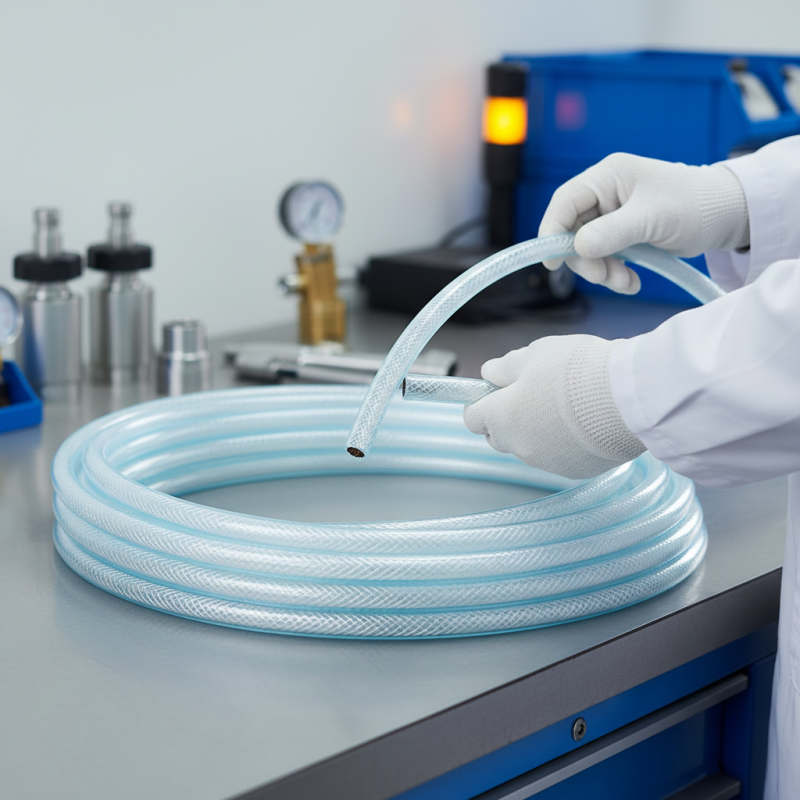
Understanding Reinforced Braided PVC Hose Features
When selecting a reinforced braided PVC hose, it’s crucial to understand its features. These hoses typically offer a blend of flexibility and durability. The braided design enhances strength, making it resistant to abrasion and punctures. According to industry reports, these hoses can withstand pressures up to 300 PSI, making them suitable for various applications, including agriculture and construction.
Tips: Always check the hose’s pressure rating. Ensure it meets your specific requirements. Also, consider the diameter and length, as these factors directly impact performance.
Moreover, not all hoses are created equal. Some may lack the necessary UV resistance, leading to premature wear. Reports indicate that UV exposure can degrade the material, reducing its lifespan significantly. A lesser-known detail is the importance of temperature resistance. Some hoses operate effectively in a wide range, from -10°C to +60°C. Ensure the hose can handle your environment to avoid unexpected failures.
Tips: Look for hoses with clear specifications. These details provide insight into durability and longevity. A reliable product might save you costs in the long run. Consider your actual needs before making decisions.
Evaluating Durability and Flexibility in Hose Selection
When selecting a reinforced braided PVC hose, evaluating durability and flexibility is crucial. A durable hose can withstand various pressures and environmental conditions. Look for hoses with high tensile strength. This design ensures they resist wear and tear over time. Inspect the material closely. A good PVC hose should have a robust outer layer and a flexible inner core.
Flexibility is just as important as durability. A flexible hose allows for easy maneuverability. It should bend without kinking or breaking. Hoses that are too rigid may lead to complicated installations or even damage. Test the hose's flexibility by bending it at different angles. The right hose will return to its original shape without any permanent deformation.
Consider the intended use of the hose. Some may require more durability due to heavy-duty applications, while others need flexibility for tight spaces. A balance between these two factors is essential. Reflecting on specific needs can prevent future issues and ensure long-term satisfaction.
Identifying the Right Diameter and Length for Your Needs
When selecting a reinforced braided PVC hose, the diameter and length play crucial roles. The right diameter impacts fluid flow and pressure. A hose that is too narrow may restrict flow, leading to potential system failures. Conversely, choosing a hose that is excessively wide might result in unnecessary material costs and reduced pressure. According to industry data, the optimal diameter varies significantly based on application; for instance, most irrigation systems operate efficiently with diameters between 1 inch and 2 inches.
Length is just as vital when considering efficiency. A hose that is too long can lead to friction loss, reducing the overall performance. Research indicates that for every 100 feet of hose, a pressure drop of 5 to 10 psi can occur. This is particularly critical in applications where maintaining pressure is essential. Users often overlook the need for precise measurements. It is advisable to evaluate the distances involved and account for any bends or fittings. Ignoring these specifics can result in waste and inefficiencies.
Choosing the correct diameter and length is not a one-size-fits-all process; it requires careful consideration of individual needs and conditions.
Comparing Applications and Industry Standards for Use
When selecting a reinforced braided PVC hose, it's crucial to understand its applications and industry standards. These hoses are widely used in agriculture, construction, and manufacturing. For each sector, specific requirements dictate the type of hose needed. For instance, in agriculture, flexibility and durability are vital to withstand outdoor conditions. In contrast, construction may prioritize resistance to chemicals and abrasions.
Tips: Always check the hose's burst pressure ratings. This ensures it can handle the maximum pressure you expect in use. Consider the temperature range as well. A hose that can't withstand high temperatures can fail, leading to costly disruptions.
Industry standards are essential in ensuring safety and reliability. Familiarize yourself with ISO or ASTM standards relevant to hoses. They cover aspects like material quality and testing methods. Choosing a hose that meets these standards adds assurance. It reflects the hose's capability to perform under stress.
Remember, not every hose is suited for every task. Reflect on your specific needs before making a purchase. It may be tempting to choose a cheaper option, but reliability often pays off.
Assessing Cost-Effectiveness and Supplier Reliability
When selecting a reinforced braided PVC hose, understanding supplier reliability is crucial. Reliable suppliers often have a proven track record, indicated by quality certifications and industry accreditation. A recent industry report highlighted that 75% of businesses that source quality materials prioritize working with suppliers who offer transparency about their manufacturing processes.
Cost-effectiveness is another significant factor. While lower prices may be tempting, they can lead to higher long-term costs due to frequent replacements. A study found that investing in higher-quality hoses can reduce failure rates by over 40%, translating to significant savings in operational downtime and maintenance. Evaluate potential suppliers by checking customer reviews and satisfaction ratings. This can provide insights into their reliability.
Assessing a supplier's experience is essential. Suppliers with years in the industry often demonstrate better customer service and product knowledge. However, new suppliers may offer innovative solutions at competitive rates. Balancing long-established suppliers with emerging ones offers a broader perspective. Make sure to ask for samples and conduct tests before finalizing a deal to ensure the chosen hose meets your specific needs.


