How to Choose the Best LCD Screens for Your Business Needs?
Choosing the right Lcd Screens for your business can profoundly impact productivity and communication. John Smith, a leading expert in display technology, once stated, "The right LCD screen can transform the way a business operates." This highlights the importance of selecting screens that meet specific operational needs.
LCD screens come in various sizes, resolutions, and technologies. Businesses must assess their specific requirements before making a purchase. Consider how these screens will be used: presentations, signage, or workstations. Each application has unique demands. For example, a retail space may benefit from vibrant colors and high brightness, while an office may prioritize screen clarity and ergonomics.
Furthermore, reliability is crucial in any investment. Selecting low-quality LCD screens may lead to constant replacements. This not only incurs costs but may also disrupt workflow. Therefore, it’s essential to research reputable brands and read reviews. Investing time in understanding your needs now can avoid regret later. Ultimately, making an informed choice will yield long-term benefits.
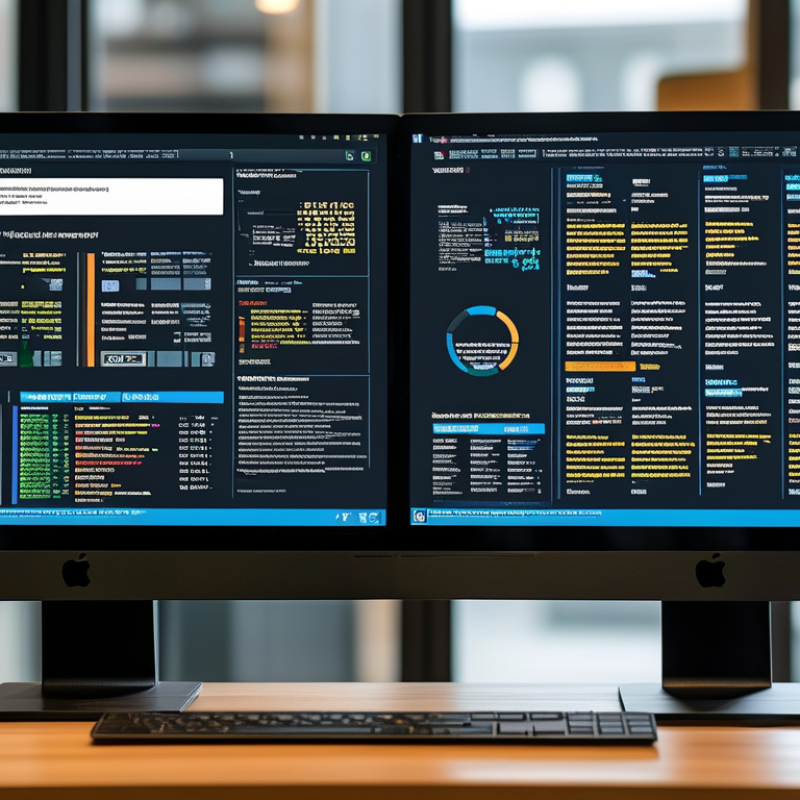
Factors to Consider When Selecting LCD Screens for Your Business
When selecting LCD screens for business needs, there are several critical factors to weigh. Screen size is crucial. Large displays might enhance visibility in a retail scenario. However, smaller spaces may require compact screens. Therefore, knowing your environment is key.
Resolution is another important element. Higher resolution screens offer crisper images, which can be essential for presentations or product displays. But they also tend to cost more. It's vital to balance quality and budget effectively. Brightness levels should also be considered, especially in well-lit areas. Screens with higher brightness can prevent glare, ensuring better readability.
Lastly, connectivity options matter. Ensure the screens can easily connect to your existing technology. Lack of compatibility can lead to disruptions. Consider energy efficiency as well. Some screens consume more power, leading to increased costs over time. Choosing the right LCD screen involves careful thought about these aspects to meet your specific business needs.
Understanding Different Types of LCD Screen Technologies
Choosing the right LCD screen technology is essential for your business. Various types of LCD technologies cater to unique needs. For instance, Twisted Nematic (TN) panels are favored for their affordability and fast response times, making them suitable for gaming setups. However, they often struggle with color reproduction and viewing angles.
In contrast, In-Plane Switching (IPS) panels offer better color accuracy and wider viewing angles. A report by Allied Market Research forecasted that the global IPS screen market will reach $36.8 billion by 2027, reflecting growing demand in professional settings. However, IPS technology can be costlier and may have slower response times. Meanwhile, Vertical Alignment (VA) panels strike a balance between the two, delivering decent color reproduction and contrast. But they can suffer from faster pixel response times, leading to ghosting in fast-moving images.
Selecting the right type involves understanding your specific needs. Reflecting on these technologies can lead to better decision-making. Businesses should weigh factors like budget, intended use, and performance requirements. Data suggests that about 40% of users find color accuracy critical, while 30% prioritize responsiveness. This highlights the importance of aligning technology choice with real-world applications.
Evaluating Screen Size and Resolution Based on Business Requirements
When choosing LCD screens for business, screen size and resolution are crucial. Businesses must consider how their team will use these screens daily. A larger screen may suit presentation needs, while smaller ones might benefit personal workstations. The environment also matters; a bright room may require a higher brightness level to ensure visibility.
Resolution plays a vital role in clarity. A higher resolution offers better image detail, which is essential for graphic design or video editing. However, increased resolution often comes with higher costs. Businesses should weigh the benefits of vibrant visuals against their budget constraints. It's vital to reflect on how many employees will use these screens and under what conditions.
Balancing size and resolution can be complex. Too large a screen may dominate the workspace, causing discomfort. On the other hand, an underwhelming resolution can hinder productivity. Consider conducting a trial period with different sizes and resolutions to gauge what truly enhances workflow. Gathering team feedback can lead to a more informed decision.
LCD Screens Size and Resolution Evaluation for Business Needs
Analyzing Budget and Cost-Effectiveness of LCD Screen Options
When selecting LCD screens for business needs, budget is a significant factor. A recent industry report highlights that nearly 40% of businesses prioritize cost-effectiveness. It’s crucial to analyze not just the initial price, but also long-term costs. For example, energy-efficient models can reduce electricity bills by around 20%. This makes them a viable option despite a higher upfront investment.
Furthermore, consider the lifespan of the product. Many LCD screens can last over 50,000 hours, translating to about 5-7 years of regular use. This longevity can make a higher-priced model more economical over time. However, it's also essential to reflect on how often technology updates occur. A screen purchased today may become outdated quickly due to rapid advancements. Businesses might find themselves needing replacements sooner than expected.
Incorporating all these factors leads to informed decisions. Research from leading market analysts shows that careful consideration of total cost can save companies up to 25% in expenses. Balancing initial costs with longevity and efficiency will guide businesses towards the best LCD screen options suitable for their environment.
How to Choose the Best LCD Screens for Your Business Needs? - Analyzing Budget and Cost-Effectiveness of LCD Screen Options
| Screen Size | Resolution | Price ($) | Energy Consumption (W) | Lifespan (Hours) | Rating (1-5) |
| 24 inch | 1920 x 1080 | 150 | 30 | 50000 | 4 |
| 32 inch | 1920 x 1080 | 250 | 40 | 60000 | 4.5 |
| 43 inch | 3840 x 2160 | 400 | 70 | 70000 | 5 |
| 50 inch | 3840 x 2160 | 600 | 80 | 80000 | 4.7 |
| 65 inch | 3840 x 2160 | 900 | 90 | 90000 | 4.8 |
Importance of Warranty and Customer Support for LCD Screens
When selecting LCD screens for business, warranty and customer support are crucial factors. According to a 2023 industry report, 70% of businesses prioritize these elements during the purchasing process. A reliable warranty can protect investments, as devices may fail outside of normal use. An extended warranty often provides peace of mind, reducing total ownership costs over time. Businesses lose an average of $22,000 annually due to equipment failures, underscoring the value of solid warranty options.
Customer support is equally vital. Poor support can lead to significant downtime and lost revenue. A study by Tech Support Insights found that 65% of companies experienced productivity drops due to inadequate support. Fast response times and knowledgeable staff can enhance user experience. Many businesses have reported dissatisfaction with support delays, leading to frustration and lost business opportunities.
Choosing the best LCD screens involves assessing the warranty and customer service quality. A comprehensive warranty can mitigate risks, while effective customer support can save time and reduce costs. Weighing these factors ensures that your investment meets your business's long-term needs.


