How to Choose the Best Laser Cutting Machine for Your Needs?
Selecting the right laser cutting machine can be daunting. Each machine varies greatly in features, capabilities, and cost. Expert Michael Chen, a prominent figure in the laser industry, once stated, "Choosing the right laser cutting machine is essential for efficiency and precision." His words remind us of the importance of careful selection.
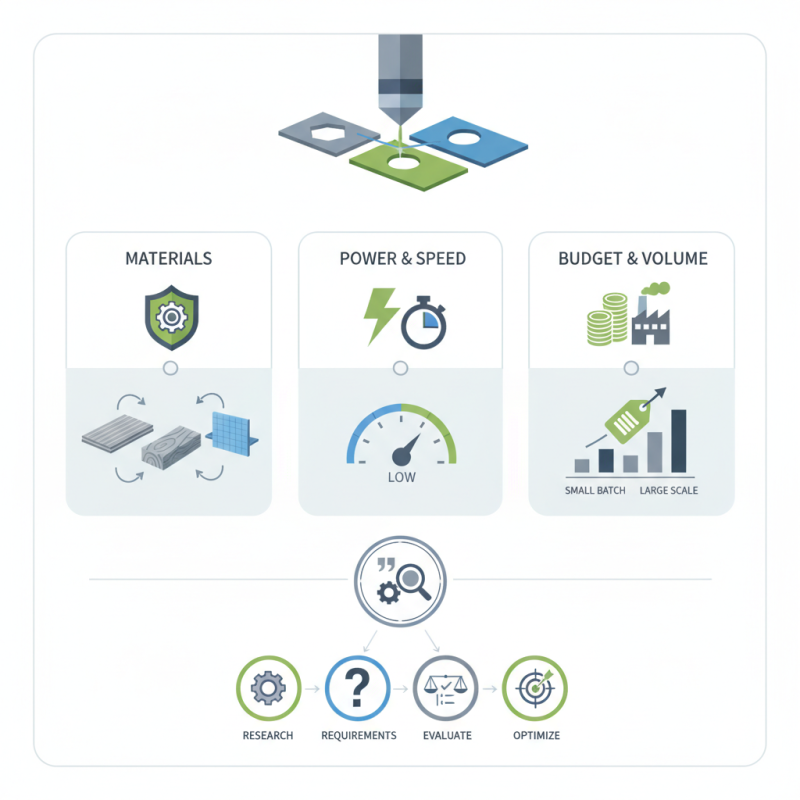
A laser cutting machine must align with your specific requirements. Consider the materials you will cut. Will you be working with metals, plastics, or wood? Different machines excel at handling different materials. The machine's power and speed will also influence the quality of your cuts. These parameters are crucial for achieving optimal results.
Many users overlook the importance of researching before purchasing. It's easy to be swayed by flashy features and advertisements. Yet, evaluating your true needs is vital. Reflect on your production volume and budget constraints. This can prevent costly mistakes and ensure you make an informed decision. A suitable laser cutting machine can significantly enhance your workflow and productivity.
Understanding the Different Types of Laser Cutting Machines Available
When exploring laser cutting machines, it's essential to understand the different types available. CO2 laser cutters are popular for non-metal materials. They can cut wood, acrylic, and fabric with precision. This versatility makes them ideal for crafts and small businesses. However, they may have limitations on thickness, which can be a challenge for some projects.
Fiber laser cutting machines excel at cutting metals. They offer speed and efficiency, making them a great fit for industrial applications. These machines handle thicker materials well. Still, the initial cost can be a significant investment for beginners. You might need additional training, which could slow down your workflow.
Another option is the crystal laser cutter. These machines have unique capabilities for engraving details on various materials. They can produce stunning results but often require specific settings and fine-tuning. Adjusting these parameters can prove frustrating for newcomers. The learning curve is steep, and mistakes might lead to wasted materials and time. Selecting the right machine ultimately depends on your intended applications and budget.
Key Factors to Consider When Selecting a Laser Cutting Machine
Choosing the right laser cutting machine involves several key factors. First, consider the material types you plan to cut. Different machines excel with specific materials, from metals to plastics. Understanding these preferences can help narrow your choices significantly.
Next, think about the thickness of the materials. Some machines handle thicker substrates better than others. If your projects vary widely in thickness, flexibility might be crucial. Additionally, pay attention to the speed and precision of the cuts. Sometimes, faster machines sacrifice detail, which can lead to errors in final products.
It's also important to assess the machine's ease of use. User-friendly interfaces make setup and operation smoother. However, not all machines come with thorough instructions, which can be a point of frustration for beginners. You may need to invest time into learning the software or hardware.
Lastly, budget constraints can complicate your decision. High prices don’t always guarantee quality. A thoughtful review of all these aspects will guide you to a suitable choice.
Assessing Your Materials and Thickness Requirements for Laser Cutting
When choosing a laser cutting machine, understanding your materials and their thickness is crucial. Different materials react uniquely to heat and light. For instance, wood cuts differently compared to acrylic or metal. Knowing the specific thickness you’ll work with helps narrow down your options. A machine with a higher wattage can handle thicker materials, while lower wattage is sufficient for delicate cuts.
Sometimes, you might underestimate the complexity of your materials. For example, layered materials can behave unpredictably. They may warp or char if the settings are not optimized. It’s essential to test various materials before making a significant investment. A small test piece can reveal a lot about potential problems. You could even face challenges like inconsistent edge quality if adjustments are not made.
Applications vary widely, so consider what you plan to produce. Fine details require precise machines. Coarser cuts may not need as much power or finesse. Take time to evaluate your projects. Reflecting on past experiences can lead to better choices. Each decision can affect your final product, so proceed thoughtfully.
Evaluating Machine Features: Power, Speed, and Precision
When selecting a laser cutting machine, evaluating its power, speed, and precision is crucial. The machine’s power determines how effectively it can cut through various materials. High wattage machines slice through thicker materials but can be costly. Lower wattage models are more affordable but may struggle with dense materials. It’s essential to balance power with your specific needs.
Speed is another vital factor. A faster machine can increase productivity, but it shouldn’t come at the expense of quality. Consider how intricate your designs are. High-speed cutting can lead to rough edges if not managed well. Sometimes, slowing down the process enhances the finished product, but it may require a strategic approach to timing.
Precision is the cornerstone of laser cutting. The ability to cut with accuracy shapes the final design. Machines with higher precision capabilities ensure cleaner and more accurate cuts. However, achieving perfect precision may involve additional setup or adjustments. It’s necessary to reflect on your craftsmanship and make sure the machine aligns with your desired outcomes.
Budgeting for Your Laser Cutting Machine and Long-term Costs
When budgeting for a laser cutting machine, it’s essential to consider both the initial investment and ongoing costs. The purchase price is just the tip of the iceberg. You must account for maintenance, supplies, and energy consumption. All these factors add up over time. For example, high-quality materials can lead to better outcomes. However, they may also increase your overall spending.
Don't forget about the impact of electricity usage. Some machines may consume more power than others. This could significantly affect your monthly bills. Additionally, parts may wear out or need replacement. If you’re not prepared for these costs, they could strain your finances.
It’s wise to set aside a separate budget for unexpected expenses. Sometimes, you might need to invest in software upgrades or training sessions. Consider these future needs when making your decision. Finding the balance between upfront costs and long-term benefits is challenging. Each choice requires careful reflection and planning. This attention to detail can determine your success in the long run.


