Get an instant quote
Get in touch Listen to our podcast

Blog

How to Choose the Best CNC Lathe Machine for Your Needs?

Choosing the best Cnc Lathe Machine can be daunting. Many options exist, each with unique features. It's important to identify your specific needs before making a decision.

CNC lathe machines vary in size, precision, and capabilities. You must consider your projects' complexity and material requirements. Do you need a machine for small parts or larger pieces? What level of accuracy do you require?

Additionally, pay attention to user reviews and brand reputation. Sometimes the best specifications do not equate to the best performance. It's easy to overlook customer feedback. Understanding common issues faced by users can guide your choice. Reflecting on your long-term goals is also crucial. This investment impacts your operations significantly. Choose wisely, as this decision shapes your future projects.
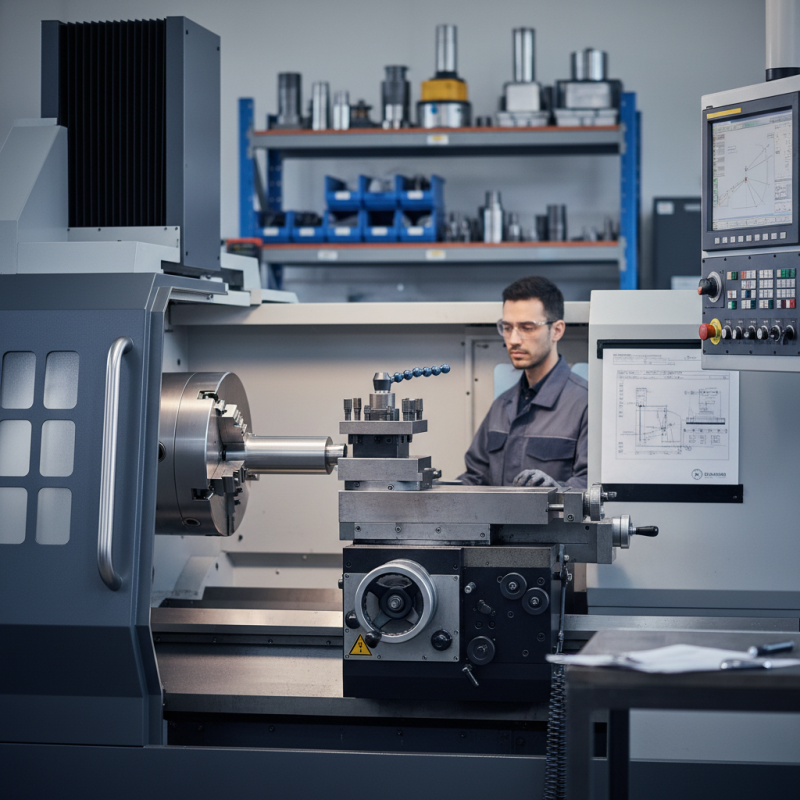
How to Choose the Best CNC Lathe Machine for Your Needs?

Understanding the Basics of CNC Lathe Machines and Their Applications

CNC lathe machines are crucial for various manufacturing processes. They allow for high precision and automated operations. Understanding their basic functions is essential for choosing the right one. A CNC lathe turns raw material into finished parts. This process includes cutting, shaping, and drilling. Material types can vary from metal to plastic, making versatility a key factor.

Applications vary widely across industries. From aerospace to automotive, CNC lathes create complex components like gears and shafts. However, choosing based on application can be challenging. Assessing your specific needs is important. You might find yourself torn between features, like spindle speed and tool capacity. Each option has strengths and weaknesses. Balancing these can lead to overthinking.

Maintenance is another aspect often overlooked. Regular upkeep ensures longevity but requires time and effort. Not everyone considers the learning curve for programming and operation. Mistakes in the setup can lead to waste, which is frustrating. Every choice involves reflection. Take your time to weigh all factors carefully.

Understanding CNC Lathe Machine Applications

Key Factors to Consider When Selecting a CNC Lathe Machine

When selecting a CNC lathe machine, several key factors demand attention. Understanding your specific machining needs is crucial. The material types you'll work with greatly influence your choice. For instance, a 2023 report from the Precision Machining Association highlights that nearly 65% of manufacturers prioritize materials like aluminum and steel for their projects. Thus, ensuring compatibility is essential.

Another aspect to consider is the machine's size. CNC lathes vary significantly in dimensions. A compact machine may suffice for small components, but larger pieces require more robust machines. According to a recent survey, nearly 40% of manufacturers reported limiting their projects due to inadequate machine sizes. This limitation often leads to lost opportunities.

Budget constraints also play a major role in the decision. While advanced machines offer more features, they may not always be necessary. Many manufacturers find themselves over-investing in unnecessary technology, leading to regret down the line. Analyzing cost versus feature necessity can prevent overspending and reflect a clearer vision for future needs. Each choice requires careful consideration to avoid pitfalls and ensure the most effective use of resources.

Evaluating CNC Lathe Accuracy: Importance of Tolerances and Precision

When evaluating CNC lathe accuracy, tolerances and precision play crucial roles. They determine how closely your outputs match your design specifications. A machine's ability to maintain tight tolerances can define the quality of your work. Common tolerances range from ±0.001 inches to more generous limits. Understanding these specifications helps in making informed decisions.

Tips: Always verify the machine's specifications before purchasing. Knowing the types of materials you will work with is essential. Different materials behave differently under machining. For example, metals like steel require tighter tolerances than softer materials. Always consider the complexity of your projects. If projects require fine details, invest in higher precision machines.

Precision is not just a number; it’s about the machine's performance. Operators should keep in mind that even the best machines can produce errors. Tool wear, for instance, can lessen accuracy. Regular maintenance and calibration are necessary to maintain optimal performance. Small errors can multiply over time, leading to significant issues. Reflect on past projects and think about areas for improvement.

Assessing the Required Features: Automation, Tool Change, and Controls

Choosing the right CNC lathe machine requires careful consideration of various features. Automation is a key factor. Machines equipped with automatic loading and unloading systems can significantly boost productivity. They save time and reduce manual labor. However, too much automation might lead to complex troubleshooting processes. Understanding your production needs is crucial.

Tool change capabilities are equally important. Fast tool changers can enhance efficiency, especially in job shops. However, they often come with higher costs. A balance must be struck between speed and budget constraints. An operator might find themselves overwhelmed by rapid tool changes, necessitating additional training.

Controls also play a significant role. User-friendly interfaces simplify operation. If operators struggle with controls, it could result in decreased output. Features like touchscreen displays can be beneficial but might not be intuitive for everyone. Investing in training is necessary to ensure smooth operation. It's worth reflecting on whether all features align with your actual needs.

Budget Considerations: Cost Analysis of CNC Lathe Machines and ROI

When selecting a CNC lathe machine, budget is crucial. The cost varies widely. It can range from a few thousand to tens of thousands of dollars. Analyze what you can afford. A budget can help narrow your choices. However, don’t just look at the upfront cost. Consider maintenance and operational expenses too. High-quality machines may seem costly, but they can save you money long-term.

Tips: Research the resale value of the machines you consider. Some CNC lathes hold their value better than others. It’s wise to assess how much you can recoup in the future.

ROI is essential. A CNC lathe increases production efficiency. It can reduce labor costs. However, your return on investment may take time. Be patient and realistic. If you choose a cheaper option, quality might suffer. Lower quality can lead to more defects and higher waste. Aim for a balance between initial costs and long-term benefits.

How to Choose the Best CNC Lathe Machine for Your Needs? - Budget Considerations: Cost Analysis of CNC Lathe Machines and ROI

Machine Model Price ($) Max Diameter (mm) Max Length (mm) Motor Power (kW) Expected ROI (Years)
CNC Lathe A 10,000 300 1000 7.5 3
CNC Lathe B 15,000 400 1200 11 4
CNC Lathe C 20,000 500 1500 15 5
CNC Lathe D 7,500 250 800 5 2
CNC machining CAD export file formats

Put your parts in production today

Get an instant quote